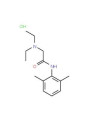
20% Lidocaine Gel-Cream Formulation (HCl and Base Forms)
Question
Dear Sir,
I need a 20% Lidocaine cream formula for both the HCl and Base forms.
- Texture: Gel-cream
- Type: Oil-in-water (O/W)
Answer
To formulate a 20% Lidocaine Gel-Cream (Oil-in-Water), it is important to distinguish between the HCl (Salt) and Base forms, as they require different stabilization strategies due to their solubility and electrolyte behavior.
At a 20% concentration, both formulas face significant stability challenges: the HCl form creates a high electrolyte load that can break standard gels, while the Base form is prone to crystallization.
1. Lidocaine HCl Formula (Water-Soluble)
Lidocaine HCl is highly soluble in water but acts as a strong electrolyte. You must use an electrolyte-resistant thickener like Pudding Gel Maker™ to maintain the gel-cream structure.
| Phase | Ingredient | % Weight | Function |
|---|---|---|---|
| Water | Purified Water | 61.2% | Solvent |
| Water | Lidocaine HCl | 20.0% | Active Ingredient |
| Water | Propylene Glycol (USP) | 7.0% | Humectant / Solvent |
| Water | Ethoxydiglycol | 3.0% | Penetration Enhancer |
| Water | Pudding Gel Maker™ | 0.8% | Electrolyte-Resistant Thickener |
| Oil | Satin Cream Maker™ | 3.0% | O/W Emulsifier |
| Oil | Light Oil (e.g., Mineral Oil or Ester) | 4.0% | Emollient |
| Preservative | Phenoxyethanol SA | 1.0% | Preservative |
Procedure:
- Dissolve Lidocaine HCl in water, Propylene Glycol, and Ethoxydiglycol.
- Sprinkle Pudding Gel Maker™ into the water phase and mix with high shear until a uniform gel forms.
- Mix the Oil phase (Satin Cream Maker™ and Oil) separately.
- Slowly add the Oil phase into the Water phase while stirring at high speed to emulsify.
- Add the preservative and mix until uniform.
2. Lidocaine Base Formula (Oil/Solvent-Soluble)
Lidocaine Base is practically insoluble in water. To keep 20% in solution and prevent crystallization, a high concentration of Ethoxydiglycol is required.
| Phase | Ingredient | % Weight | Function |
|---|---|---|---|
| Water | Purified Water | 49.2% | Solvent |
| Solvent | Ethoxydiglycol | 13.0% | Primary Solvent for Base |
| Solvent | Propylene Glycol (USP) | 7.0% | Co-solvent |
| Active | Lidocaine Base | 20.0% | Active Ingredient |
| Thickener | Pudding Gel Maker™ | 0.8% | Gel-Cream Stabilizer |
| Oil | Satin Cream Maker™ | 3.0% | O/W Emulsifier |
| Oil | Light Oil (e.g., Mineral Oil) | 6.0% | Emollient |
| Preservative | Phenoxyethanol SA | 1.0% | Preservative |
Procedure:
- Drug Concentrate: Dissolve Lidocaine Base completely in Ethoxydiglycol and Propylene Glycol. You may need gentle heat (40-50°C) to ensure it is fully clear.
- Prepare the water phase by hydrating Pudding Gel Maker™ in water.
- Mix the Oil phase (Satin Cream Maker™ and Oil).
- Emulsify the Oil phase into the Water phase.
- Slowly blend the Drug Concentrate into the emulsion while stirring.
- Add the preservative and cool to room temperature.
Important Technical Notes:
- Electrolyte Resistance: Lidocaine HCl will "kill" the viscosity of standard carbomers. Pudding Gel Maker™ (Polyacrylate Crosspolymer-6) is essential because it is specifically designed to remain stable in high-salt environments.
- Crystallization Risk: In the Base version, if the solvent (Ethoxydiglycol) evaporates or the temperature drops, the Lidocaine may crystallize. Ensure the container is airtight.
- pH Control: The HCl version is naturally acidic. The Base version may require pH adjustment to around 5.5–7.0 for skin compatibility and stability.
Related Categories
Cream Maker (All-in-One Emulsifier)
Thickener / Gel-Maker
Related Products Mentioned
Ethoxydiglycol (e.q. Transcutol)
Propylene Glycol (USP)

Satin Cream Maker™
Phenoxyethanol SA (eq. Optiphen Plus)
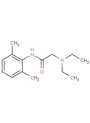
Lidocaine (Base)