Achieving Clarity in C E Ferulic Serum
Question
I am trying to make a C E Ferulic serum using the following formulation, but every time I make it, the serum turns out milky instead of clear. How can I achieve a clear serum with this formula?
ส่วนประกอบของ Base อัตราส่วน
Purified Water 44.80%
Ethoxydiglycol (ทำละลาย) 20.00%
Propylene Glycol (ลื่นผิว) 10.00%
Glycerin (ลื่นผิว) 3.00%
Laureth-23 (ประสานน้ำ น้ำมัน) 3.00%
Triethanolamine (ปรับ pH) 1.00%
d-Alpha Tocopherol (Natural Vitamin E) 1.00%
Phenoxyethanol (สารกันเสีย) 1.00%
Ferulic Acid (ต้านอนุมูลอิสระ) 0.50%
Panthenol (Vitamin B5 ให้ความชุ่มชื้น) 0.50%
Hyaluronic Acid Standard (ให้ความชุ่มชื้น) 0.10%
Hyaluronic Acid Nano (ให้ความชุ่มชื้น) 0.10%
ส่วนประกอบของ อัตราส่วน
L-ascorbic acid Ultra-Fine 15.00%
Answer
Achieving a Clear C E Ferulic Serum
The milky appearance in your C E Ferulic serum formulation is likely caused by ingredients that are not fully dissolved or properly dispersed in the water base. Based on your formula, the main culprits are typically d-Alpha Tocopherol (Vitamin E) and Ferulic Acid.
Here's why and how to potentially achieve a clear serum:
Understanding the Ingredients
- L-ascorbic acid (Ultra-Fine): This is water-soluble, especially the ultra-fine grade, but requires a low pH (2.0-4.0) for stability and efficacy. Ensure it's fully dissolved in the water phase.
- Ferulic Acid: This ingredient is not soluble in water. According to the product description, it is soluble in solvents like Ethoxydiglycol or ethanol. In your formula, Ethoxydiglycol is the intended solvent for Ferulic Acid. Incomplete dissolution of Ferulic Acid will cause cloudiness.
- d-Alpha Tocopherol (Natural Vitamin E): This is oil-soluble. Laureth-23 is included in your formula as an emulsifier/solubilizer to help incorporate this oil into the water base. Laureth-23 can help create a clear solution (microemulsion) or a very fine, stable emulsion, but achieving true clarity with an oil at 1% might require careful technique and sufficient solubilizer. The product description for Laureth-23 suggests heating to 60-70°C, while d-Alpha Tocopherol should avoid heat above 50°C. This temperature conflict is a key challenge.
Steps to Try for a Clear Serum
- Prepare the Water Phase: Combine Purified Water, Propylene Glycol, Glycerin, Panthenol, Hyaluronic Acid Standard, and Hyaluronic Acid Nano. Stir until all powders (Panthenol, Hyaluronic Acids) are completely dissolved.
- Dissolve Ferulic Acid: In a separate container, dissolve the Pure-Ferulic Acid in the Ethoxydiglycol. Stir thoroughly until completely clear with no visible particles. This may take some time and thorough mixing.
- Prepare the Oil/Solubilizer Phase: In a third container, combine the d-Alpha Tocopherol and Laureth-23. Gently warm this mixture, ideally below 50°C, just enough to help the Laureth-23 melt and mix with the Vitamin E. Stir well to ensure the Vitamin E is fully dispersed by the Laureth-23. Avoid high heat to protect the Vitamin E.
- Combine Phases: Slowly add the dissolved Ferulic Acid/Ethoxydiglycol mixture to the Water Phase while stirring continuously. Then, slowly add the warmed Vitamin E/Laureth-23 mixture to the combined water/glycol phase while stirring vigorously.
- Add L-ascorbic acid: Once the main base is combined and appears as clear as possible at this stage, slowly add the L-ascorbic acid Ultra-Fine powder while stirring continuously until it is fully dissolved.
- Adjust pH: Finally, add Triethanolamine drop by drop to adjust the pH to the desired range (typically 2.5-3.5 for L-AA serums). Monitor the clarity as you adjust the pH; sometimes pH changes can affect solubility.
- Thorough Mixing: Ensure thorough and continuous mixing throughout the process, especially when combining phases and dissolving powders. Using a magnetic stirrer can be very helpful.
Potential Challenges and Alternatives
Even with careful mixing, achieving a perfectly crystal-clear serum with this exact formula might be difficult due to the nature of d-Alpha Tocopherol and the temperature requirements of Laureth-23. The Laureth-23 might be creating a very fine emulsion that appears milky.
If clarity is paramount, consider these alternatives:
- For Vitamin E: Use a water-soluble Vitamin E derivative, such as Vitamin E (Tocopheryl Acetate) Water-Soluble. Note that Tocopheryl Acetate is a derivative and may not offer the exact same benefits as d-Alpha Tocopherol, but it would easily dissolve in the water phase, helping achieve clarity.
- For Ferulic Acid: Consider using Micromul™ Ferulic Acid (Microemulsion Ferulic Acid), which is designed to be water-soluble and easily incorporated into water-based formulas, resulting in a clear liquid.
By focusing on completely dissolving the Ferulic Acid in the glycol phase and ensuring the Vitamin E is well-dispersed by the Laureth-23 before combining everything, you should be able to improve the clarity of your serum.
Related Products Mentioned
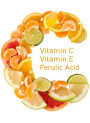
Vitamin C E Ferulic
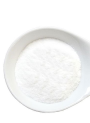
Pure-Ferulic Acid™
Vitamin C (L-ascorbic acid) (Ultra-Fine)
Vitamin E (dl-alpha tocopherol)
Ethoxydiglycol (e.q. Transcutol)