Acne Cleansing Gel Formula Review and Ingredient Substitution
Question
Could you please review the ingredients? I want a facial cleansing gel for acne.
- DI Water 55.5%
- EDTA 0.2%
- Mild Preserved Eco 1%
- Encapsulated Salicylic Acid (Liquid Time-Release) 3.3%
- Sodium Lactate 3% (moisturizing)
- MicroKill 1%
- Isopentyldiol 5% (makeup removal)
- Para-Preserve 1%
- Sulfate Free Shampoo Base 30%
Are the ingredients compatible? And if I use Foaming Tea instead of Sulfate Free Shampoo Base, will the cleaning performance be the same?
Answer
Formulation Review for Acne Cleansing Gel
Here is a review of the ingredients you've included in your proposed facial cleansing gel formula for acne:
- DI Water: This is the base of your water-based formula.
- EDTA (Disodium EDTA): This acts as a chelating agent, helping to stabilize the formula by binding to metal ions in the water. It is compatible within the typical pH range of cleansing products.
- Mild Preserved Eco: This is a preservative blend (Ethylhexylglycerin, 1,3 Propanediol) that is gentle and effective within a pH range of 4-9.
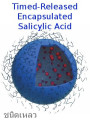
- Encapsulated Salicylic Acid (Liquid Time-Release): This is a key active ingredient for acne treatment. It is a wash-off type of Salicylic Acid that is released over time, making it gentler. The concentration you are using (3.3%) provides 1% active Salicylic Acid, which is suitable for light acne according to the product description. It's important to note that this type of Salicylic Acid is incompatible with certain thickeners like Xanthan Gum.
- Sodium Lactate: This functions as a humectant to help moisturize the skin and also has some antimicrobial properties. The 3% concentration is within the recommended range for moisturizing benefits.
- MicroKill (Quaternium-73 Solution): This ingredient is effective against acne-causing bacteria (P.Acnes) and can also help reduce the appearance of acne scars by inhibiting melanin formation. The recommended usage rate is 1%, which you have included. Products containing MicroKill should be stored in opaque containers as it is sensitive to light.
- Isopentyldiol: This acts as a solvent and humectant, helping to dissolve other ingredients (like Salicylic Acid) and provide moisture. It also aids in makeup removal.
Para-Preserve: This is a broad-spectrum preservative blend (Phenoxyethanol, Parabens) effective against various microorganisms. It is typically used at 0.3-1.0%.
Sulfate Free Shampoo Base: This is your primary surfactant base, responsible for cleansing and foaming. It is designed for use in various cleansing products, including facial cleansers, and is described as having high foaming ability. The recommended usage rate is 5-40% (30-35% for adult formulas), so your 30% is within this range. This base already contains its own preservatives (Methylchloroisothiazolinone and methylisothiazolinone).
Compatibility of the Original Formula:
Most of the ingredients are compatible with each other in a water-based wash-off system. However, there are a couple of points to consider:
- Thickener: Your formula does not list a gelling or thickening agent. To create a gel consistency, you would need to add a compatible thickener. Since Encapsulated Salicylic Acid is incompatible with certain thickeners like Xanthan Gum, you would need to choose a compatible one such as Hydroxyethyl Cellulose or HPMC.
- Preservation System: You have included three different preservation components: Mild Preserved Eco, Para-Preserve, and the preservatives already present in the Sulfate Free Shampoo Base. While some formulas use a combination of preservatives for broad-spectrum protection, using this many might be redundant and could potentially increase the risk of irritation or affect formula stability. It would be advisable to choose one or two effective preservation systems that cover the necessary spectrum for your formula.
Substituting Sulfate Free Shampoo Base with Foaming Tea:
You asked if you can use Foaming Tea instead of Sulfate Free Shampoo Base and if the cleaning performance would be the same.
- Foaming Tea (Natural Surfactant): This is a milder, natural surfactant. The product description states that its "efficiency of the foam And cleaning is lower because it is a soap substance that is 100% natural and does not contain any chemicals or synthetic substances." It is also recommended for use at 5-20%, and using it at a higher rate (like the 30% you used for the Sulfate Free Shampoo Base) might cause the formula to turn yellow.
Conclusion on Substitution:
While you can substitute Sulfate Free Shampoo Base with Foaming Tea, the cleaning performance and foaming ability will likely be lower when using Foaming Tea. If you are aiming for effective cleansing, especially for acne-prone skin, the Sulfate Free Shampoo Base would likely provide better cleaning power and foam.
Recommendations:
- Consider adding a compatible thickener (like Hydroxyethyl Cellulose or HPMC) to achieve a gel texture.
- Review your preservation system and consider using only one or two components instead of three.
- If you prioritize stronger cleansing and foaming, stick with the Sulfate Free Shampoo Base. If you prefer a milder, natural option, you could use Foaming Tea, but adhere to its recommended usage rate (5-20%).
Related Products Mentioned
Sodium Lactate (60% Liquid, Natural)
Disodium EDTA
Para-Preserve (eq. Phenonip P4)
Mild Preserved Eco™ (Preservative-Free)
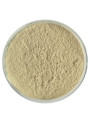
Foaming Tea (Natural Surfactant)