Acne Treatment Formulations: Clay Mask, Gel, and Cream
Question
I have developed three formulas for acne treatment and would like to confirm if they are suitable and ask some specific questions.
1. Evening Clay Mask (Wash-off)
- Green Clay 33%
- Salicylic Acid EZ 2%
- Natural Betaine 2%
- NaturePreserve 1.25%
- Water 61.75%
Is this formula okay?
2. Morning Acne Gel (Leave-on)
- Aloe Vera Gel (Lite) 87.5%
- Licorice 0.5%
- Willow Bark Extract 5%
- Calendula 3%
- Zinc PCA 1%
- Ethoxydiglycol 1%
- Centella 2%
Mixing Method:
- Mix Licorice + Willow Bark Extract + Calendula + Zinc PCA + Ethoxydiglycol.
- Mix step 1 with Aloe Vera Gel (Lite) base. Stir until homogeneous.
- Mix Centella into step 2. Stir until homogeneous.
Target pH: 5.5-6
Is this formula and mixing method okay? (Note: I did not add preservative as the base already contains it, as previously advised by staff).
3. Evening Acne Cream (Leave-on after mask)
- Satin Cream Maker 2%
- Aloe Vera FullAssay 3%
- Hi-EGCG 2.5%
- Disodium EDTA 0.2%
- Acne Bee 1.5%
- Tea Tree Oil (Oil Soluble) 0.5%
- Onion Extract 3%
- White Cumin 3%
- Vitamin B5 1%
- Vitamin B6 0.5%
- Ethoxydiglycol 1%
- Natural Betaine 2%
- NaturePreserve 1.25%
- Water 78.5%
Mixing Method:
- Mix EDTA + Natural Betaine + NaturePreserve + Water (Water Phase).
- Mix the water phase (from step 1) + Aloe Vera FullAssay + Hi-EGCG + Onion Extract + White Cumin + Vitamin B5 + Vitamin B6 + Ethoxydiglycol.
- Mix oil phase (Acne Bee + Tea Tree Oil).
- Add Satin Cream Maker to step 2.
- Mix step 3 + 4 together. Stir until a homogeneous cream is formed.
Target pH: 4-6
Is this formula and mixing method okay?
Additional Questions:
- For both cream formulas (Morning Gel and Evening Cream), is Ethoxydiglycol necessary?
- If the pH is not as desired after mixing, how can I adjust it, or where can I find instructions on pH adjustment?
Answer
Okay, I can help review your revised formulas and mixing methods based on the previous feedback.
Here is the analysis and recommendations for your updated formulas:
Evening Clay Mask (Wash-off)
- Formula:
- Green Clay 33%
- Salicylic Acid EZ 2%
- Natural Betaine 2%
- NaturePreserve 1.25%
- Water 61.75%
- Analysis: This formula is suitable for a wash-off mask. the staff previously recommended increasing Salicylic Acid EZ to 5-10% for better efficacy in dissolving clogged pores. While 2% might have some effect, increasing it would likely yield better results for stubborn clogged acne, keeping in mind it's a wash-off product. The other ingredients seem appropriate for a mask base and soothing/preservation.
- Mixing Method: For a clay mask, you would typically disperse the clay in the water phase containing the water-soluble ingredients (Salicylic Acid EZ, Natural Betaine, NaturePreserve). Mix well until smooth.
- Recommendation: Consider increasing Salicylic Acid EZ to 5-10% as suggested by the staff for enhanced efficacy, especially since it's a wash-off product. The mixing method seems straightforward: dissolve water-soluble ingredients in water, then gradually add clay while mixing until a smooth paste is formed.
Morning Acne Gel (Leave-on)
- Formula:
- Aloe Vera Gel (Lite) 87.5%
- Licorice 0.5%
- Willow Bark Extract 5%
- Calendula 3%
- Zinc PCA 1%
- Ethoxydiglycol 1%
- Centella 2%
- Analysis: Using Aloe Vera Gel (Lite) as the base is appropriate as it already contains a preservative. The combination of Licorice, Willow Bark, Calendula, Zinc PCA, and Centella targets inflammation, soothing, and oil control, which is suitable for a morning leave-on gel for acne-prone skin. The percentages seem reasonable for these actives in a leave-on product. Omitting additional preservatives is correct as the base contains them.
- Mixing Method:
- Mix Licorice + Willow Bark + Calendula + ZincPCA + Ethoxydiglycol. (These are mostly water-soluble or require a solvent like Ethoxydiglycol).
- Mix step 1 with Aloe Vera Gel (Lite) base.
- Mix Centella into step 2. Mix until homogeneous.
- This mixing method is generally correct for adding active ingredients to a pre-made gel base. Ensure each addition is fully dispersed before adding the next.
- pH Target: pH 5.5-6 is a good target for skin compatibility.
- Recommendation: The formula and mixing method seem appropriate for a leave-on gel.
Evening Acne Cream (Leave-on after mask)
- Formula:
- Satin Cream Maker 2%
- Aloe Vera FullAssay 3%
- Hi-EGCG 2.5%
- Disodium EDTA 0.2%
- Acne Bee 1.5%
- Tea Tree Oil (Oil Soluble) 0.5%
- Onion Extract 3%
- White Cumin 3%
- Vitamin B5 1%
- Vitamin B6 0.5%
- Ethoxydiglycol 1%
- Natural Betaine 2%
- NaturePreserve 1.25%
- Water 78.5%
- Analysis: Using Satin Cream Maker is a good choice for handling the electrolytes from ingredients like NaturePreserve and Vitamin B6, as advised by the staff. The combination of actives targets various aspects of acne (soothing, anti-inflammatory, oil control, antioxidant). The percentages seem reasonable for a leave-on cream. The total percentage of actives and other ingredients is around 21.5%, leaving 78.5% for water, which should result in a relatively light texture, not overly sticky, especially with Natural Betaine at 2% (reduced from the initial high percentage).
- Mixing Method:
- Mix EDTA + Natural Betaine + NaturePreserve + Water. (Water phase ingredients)
- Mix the water phase (from step 1) + Aloe + Hi-EGCG + Onion + Cumin + VitB5 + VitB6 + Ethoxydiglycol. (All water-soluble/dispersible actives in the water phase)
- Mix oil phase (AcneBee + TeaTree oil). Note: AcneBee is listed as water-soluble/dispersible, so it might be better in the water phase. Tea Tree Oil is oil-soluble.
- Add Satin Cream Maker to step 2 (water phase). Mix well to form the base emulsion.
- Add step 3 (oil phase) to step 4. Mix until homogeneous cream is formed.
- The general approach of separating water and oil phases and then emulsifying is correct. However, double-check the solubility of each ingredient to ensure it's in the correct phase before emulsification. AcneBee should likely be in the water phase.
- pH Target: pH 4-6 is a suitable range for a cream, especially one targeting acne.
- Recommendation: The formula looks good. Follow the staff's suggestion to add Safe-B3 5% for added acne benefits. Adjust the mixing method to put water-soluble ingredients (including AcneBee) into the water phase before emulsifying. If the texture is too thin, slightly increase Satin Cream Maker (e.g., to 2.5%).
Addressing Specific Questions:
- Improvement: As noted above, consider increasing Salicylic Acid EZ in the mask and adding Safe-B3 to the evening cream. Also, ensure AcneBee is in the water phase for the cream mixing method.
- Ethoxydiglycol Necessity: Ethoxydiglycol acts as a solvent and can enhance the penetration of other ingredients into the skin. While not strictly "necessary" in every formula, it can help improve the efficacy of the active ingredients by ensuring they are well-dissolved and can reach their target in the skin. At 1% or 3% (as suggested by staff for penetration enhancement), it provides some benefit without significantly altering the formula's feel or stability. You can choose to include it if you want to maximize the potential of your active ingredients.
- pH Adjustment: If the pH is not within your target range after mixing, you can adjust it.
- To lower pH (make more acidic): Add a few drops of a dilute acid solution (e.g., Citric Acid solution, Lactic Acid solution). Mix well and measure the pH again. Repeat until the desired pH is reached.
- To raise pH (make more alkaline): Add a few drops of a dilute base solution (e.g., Triethanolamine solution, Sodium Hydroxide solution). Mix well and measure the pH again. Repeat until the desired pH is reached.
- Always add pH adjusters in small amounts, mix thoroughly, and re-measure to avoid overshooting the target pH. You can find detailed instructions on pH adjustment on the product pages for pH adjusters or in general cosmetic formulation guides.
Overall, your revised formulas show good understanding of the previous feedback and are well-structured to address acne concerns.
Related Products Mentioned

Safe-B3™ (Vitamin B3, Niacinamide)

Calendula Extract (Water Soluble)
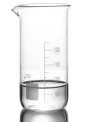
Ethoxydiglycol (e.q. Transcutol)
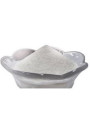
Natural Betaine (Crystal)
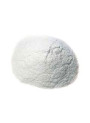
Disodium EDTA
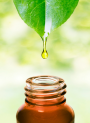
Tea Tree Oil (Extra Grade, Terpinen‑4‑OL >43%, Australian)

Satin Cream Maker™
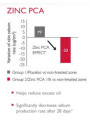
Zinc PCA

Vitamin B6 (Pyridoxine Hydrochloride)
Hi-EGCG™ (Green Tea Extract)

Salicylic Acid EZ™ (ชนิดละลายน้ำ)
Aloe Vera Gel (Lite)
Green Clay