Adding Physical Sunscreen Filters to Finished Lotion Base
Question
I want to make a physical sunscreen by adding 25% Zinc Oxide and 25% Titanium Dioxide (total 50%) to a finished lotion base, specifically IVY Natural Hand & Body Lotion. My plan is to pre-mix the Zinc Oxide and Titanium Dioxide powders with Cyclomethicone before adding them to the lotion. Is this method feasible and effective?
Answer
Physical Sunscreen Formulation Attempt
Hello! It's great that you're trying to make your own sunscreen. This is an excellent way to learn about cosmetic formulation.
Regarding your proposed formula using IVY Natural Hand & Body Lotion as a base, along with Zinc Oxide, Titanium Dioxide, and Cyclomethicone, there are a few important points to consider, as the staff also highlighted by asking for the lotion's ingredient list.
Adding high concentrations of powdered Zinc Oxide and Titanium Dioxide (25% each, totaling 50%) directly into a finished lotion base, even with pre-mixing the powders with Cyclomethicone, can present significant challenges:
- Dispersion of Powders: Zinc Oxide and Titanium Dioxide are very fine powders. Achieving uniform and stable dispersion of such high amounts in a finished cream base by simple mixing is difficult. Poor dispersion leads to clumping and uneven distribution of the sunscreen particles, which severely compromises the sun protection effectiveness (SPF and PA).
- Compatibility with the Base Lotion: A finished lotion like IVY Natural Hand & Body Lotion contains various ingredients (water, oils, emulsifiers, preservatives, etc.). Adding large amounts of mineral powders and Cyclomethicone can destabilize the original emulsion, leading to separation or undesirable texture. Knowing the exact ingredients of the base lotion is crucial to assess potential compatibility issues.
- Formula Stability: An unstable formula can result in the sunscreen particles settling over time, further reducing efficacy and potentially spoiling the product.
Generally, formulating physical sunscreens with high levels of Zinc Oxide and Titanium Dioxide requires properly dispersing these powders in a suitable base (like oil or silicone) or using pre-dispersed forms before incorporating them into the final emulsion. This ensures the sunscreen particles are evenly distributed throughout the product.
Based on the available ingredients, there are types of Zinc Oxide and Titanium Dioxide specifically designed for easier dispersion in sunscreen formulations, such as "EasyDisperse" powders or liquid "Dispersion" forms. For example:
- Zinc Oxide: Options include Zinc Oxide 200nm EasyDisperse™ (a treated powder for easy dispersion in silicone/oil) or liquid dispersions like Zinc Oxide Transparent Dispersion (C12-15 alkyl benzoate Base) or Zinc Oxide 40nm Dispersion (Water Base).
- Titanium Dioxide: Options include Titanium Dioxide 200nm EasyDisperse™ (Dimethicone/Silica Treated) (a treated powder) or liquid dispersions like Titanium Dioxide Transparent (15nm, Cyclopentasiloxane Base) (dispersed in silicone).
- Cyclomethicone: Cyclopentasiloxane (Low-Odor Cyclomethicone) is a lightweight silicone often used to help disperse powders in silicone-based or oil-based formulations.
Recommendation:
While your attempt to pre-mix the powders with Cyclomethicone is a step in the right direction for dispersion, the high concentration of powders and the unknown composition of the IVY lotion base make success challenging. To achieve an effective and stable physical sunscreen, it is highly recommended to:
- Provide the ingredient list of the IVY Natural Hand & Body Lotion to assess compatibility.
- Consider using Zinc Oxide and Titanium Dioxide types that are specifically designed for easy dispersion (EasyDisperse or Dispersion forms).
- If aiming for high concentrations of physical filters, learning to create an emulsion from scratch or using a sunscreen base designed for adding filters might yield better results in terms of stability and efficacy.
Experimenting is great! Keep learning and refining your approach.
Related Products Mentioned
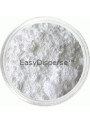

Zinc Oxide 200nm EasyDisperse™