Alternative Thickeners for Saponified Liquid Soap
Question
I am currently making liquid soap using the saponification method with natural oils. When dissolved in water, the soap is too liquid.
I have tried using Hydroxyethyl Cellulose (HEC) and SugarThick (PEG-120 Methyl Glucose Dioleate) as thickeners. Both thickened the soap, but they made it difficult to rinse off.
Are there any other ingredients you can recommend that can also increase foam and are easy to rinse off?
Answer
Alternative Thickeners for Liquid Soap
It's understandable that you're looking for alternatives to Hydroxyethyl Cellulose (HEC) and SugarThick (PEG-120 Methyl Glucose Dioleate) for your liquid soap made from saponified natural oils. While HEC and SugarThick are effective thickeners, they can sometimes make rinse-off difficult and don't typically contribute to foam.
Finding a single ingredient that provides significant thickening, boosts foam, and ensures easy rinse-off in a true saponified soap base can be challenging. Saponified soaps behave differently from synthetic surfactant systems.
However, certain co-surfactants are known for their foam-boosting properties and can contribute to viscosity while being easy to rinse. Based on your needs, consider the following:
Cocamidopropylamine Oxide: This ingredient is an excellent candidate. It is known for its ability to boost foam, improve viscosity (thickening), and stabilize foam. It is also very mild and compatible with various surfactant types, including anionic surfactants like those found in saponified soap. It can help improve the overall feel and rinse-off properties compared to some traditional thickeners.
Caprylyl/Capryl Glucoside: This is a mild, non-ionic surfactant derived from natural sources. While not a primary thickener like HEC or SugarThick, it can contribute to the overall viscosity and significantly improve foam quality and stability. It is generally easy to rinse and can enhance the mildness of the formulation.
Using a combination of co-surfactants like Cocamidopropylamine Oxide and potentially Caprylyl/Capryl Glucoside can help you achieve better foam and rinse-off characteristics while also providing some level of thickening for your saponified liquid soap.
Related Products Mentioned
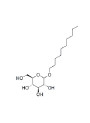
Caprylyl/Capryl Glucoside