Analysis of Cosmetic Ingredient List
Question
Please analyze the functions of the following cosmetic ingredients:
- Aqua (Water)
- Sodium Hyaluronate
- pentylene glycol
- Propanediol
- Sodium Hyaluronate Crosspolymer
- Panthenol
- Ahnfeltia Concinna Extract
- Glycerin
- Trisodium Ethylenediamine Disuccinate
- Citric Acid
- Isoceteth-20
- Ethoxydiglycol
- Ethylhexylglycerin
- Hexylene Glycol
- 1,2-Hexanediol
- Phenoxyethanol
- Caprylyl Glycol
Also, what is the role of Sodium Hyaluronate (ไฮยารูลอนิก) in this formulation?
Answer
Analysis of Cosmetic Ingredients
Here is a breakdown of the ingredients you provided and their typical functions in a cosmetic formulation:
Hydration and Humectants: These ingredients attract and retain moisture in the skin.
- Aqua (Water): The primary solvent, providing the base for the formulation.
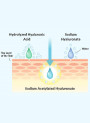
- Sodium Hyaluronate: A form of hyaluronic acid, a powerful humectant that can hold many times its weight in water, providing hydration to the skin's surface. Products like Super-HYA and HyaRetin are examples of modified hyaluronic acid forms with enhanced properties.
- Sodium Hyaluronate Crosspolymer: Another form of hyaluronic acid, often used to create a more substantive, hydrating film on the skin.
- Panthenol (Vitamin B5): Known for its moisturizing, soothing, and skin barrier support properties. D-Panthenol Care is a common form.
- Glycerin: A classic humectant and solvent, helping to draw moisture into the skin and improve texture. Double Glycerin is a modified form.
- Pentylene Glycol, Propanediol, 1,2-Hexanediol, Ethylhexylglycerin: These glycols and glycerin derivative also function as humectants, helping to hydrate the skin.
Solvents and Texture Enhancers: These ingredients help dissolve other components and contribute to the feel and spreadability of the product.
- Pentylene Glycol, Propanediol, Hexylene Glycol, 1,2-Hexanediol, Caprylyl Glycol: Common solvents and texture conditioners.
- Ethoxydiglycol: Acts as a solvent and can help enhance the penetration of other ingredients into the skin.
- Isoceteth-20: Likely functions as an emulsifier or surfactant, helping to blend oil and water-based ingredients or improve solubility.
Preservation System: These ingredients help protect the product from microbial growth.
- Phenoxyethanol: A widely used preservative effective against bacteria.
- Ethylhexylglycerin, Caprylyl Glycol, 1,2-Hexanediol, Pentylene Glycol, Propanediol: While also serving other functions, these ingredients contribute to the preservation system, often acting as preservative boosters to enhance the efficacy of ingredients like Phenoxyethanol.
Stabilizers and Adjusters:
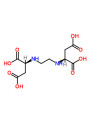
- Trisodium Ethylenediamine Disuccinate: A chelating agent that helps stabilize the formula by binding to metal ions.
- Citric Acid: Used to adjust the pH of the formulation to the desired level for stability and skin compatibility.
Other Actives:
- Ahnfeltia Concinna Extract: An extract from red algae, often included for its potential hydrating and soothing benefits.
Overall, this ingredient list suggests a water-based serum or light hydrating product focused on providing moisture, improving skin texture, and ensuring product stability and safety through a combination of humectants, solvents, and a robust preservative system.
Related Products Mentioned
Ethoxydiglycol (e.q. Transcutol)
Glycerin (USP/Food Grade)
Phenoxyethanol (Extra Pure)
Ethylhexylglycerin
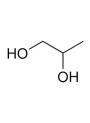
Caprylyl Glycol (1,2-Octanediol)

Pentylene Glycol (Low-Odor)
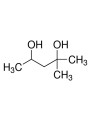
Hexylene Glycol