Analysis of Foundation Ingredients
Question
Could you please analyze the ingredient list for a foundation? The list is as follows:
Water, Cyclopentasiloxane, Trimethylsiloxysilicate, PEG/PPG-18/18 Dimethicone, Butylene Glycol, Tribehenin, Polyglyceryl-3 Diisostearate, Magnesium Sulfate, Tocopheryl Acetate, Polymethylsilsesquioxane, Methicone, Laureth-7, Xanthan Gum, Alumina, Sodium Dehydroacetate, Disteardimonium Hectorite, Cellulose Gum, Propylene Carbonate, Pentaerythrityl Tetra-Di-Butyl Hydroxyhydrocinnamate, Phenoxyethanol.
May Contain: Iron Oxides, Mica, Titanium Dioxide.
Thank you.
Answer
This foundation formula appears to be a water-in-silicone or water-in-oil emulsion, designed for long wear and smooth application, likely providing good coverage. Here's a breakdown of the key ingredients and their functions:
Base & Solvents:
- Water: The primary solvent, forming the continuous or dispersed phase.
- Cyclopentasiloxane: A volatile silicone, acts as a solvent and emollient, providing a smooth, non-greasy feel that evaporates after application.
- Butylene Glycol: A humectant and solvent, helps hydrate the skin and improve product texture.
Silicones & Film Formers:
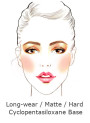
- Trimethylsiloxysilicate: A silicone resin that forms a durable film on the skin, contributing significantly to the long-wear and transfer-resistant properties of the foundation.
- PEG/PPG-18/18 Dimethicone: A silicone-based emulsifier that helps blend the water and silicone/oil phases, creating a stable emulsion.
- Dimethicone: A common silicone polymer, acts as an emollient and skin conditioner, providing a smooth feel and helping to fill in fine lines.
- Polymethylsilsesquioxane: A spherical silicone powder that provides a soft-focus effect, absorbs oil, and improves the texture and spreadability of the product.
- Methicone: Often used as a surface treatment for pigments to improve their dispersion and feel in the formula.
Emulsifiers & Stabilizers:
- Polyglyceryl-3 Diisostearate: An emulsifier, likely contributing to the stability of the water-in-oil/silicone emulsion.
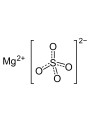
- Magnesium Sulfate: An inorganic salt that helps stabilize water-in-oil emulsions and can increase viscosity.
- Laureth-7: A surfactant/emulsifier, potentially used in combination with other emulsifiers or for pigment dispersion.
Thickeners & Rheology Modifiers:
- Tribehenin: A wax/ester that helps thicken the formula and provide structure.
- Xanthan Gum: A natural gum used to thicken and stabilize the water phase.
- Disteardimonium Hectorite: A clay-based thickener and rheology modifier that helps suspend pigments and provides a smooth application feel.
- Cellulose Gum: Another natural gum thickener and stabilizer.
- Propylene Carbonate: A solvent often used to activate clay thickeners like Disteardimonium Hectorite.
Preservatives & Antioxidants:
- Sodium Dehydroacetate: A preservative to prevent microbial growth.
- Phenoxyethanol: A widely used preservative.
- Tocopheryl Acetate: A form of Vitamin E, acts as an antioxidant to protect the formula and condition the skin.
- Pentaerythrityl Tetra-Di-Butyl Hydroxyhydrocinnamate: An antioxidant to prevent the degradation of the formula.
Other Ingredients:
- Alumina: Can act as a bulking agent, opacifier, or pigment surface treatment.
May Contain (Pigments & UV Filter):
- Iron Oxides, Mica, Titanium Dioxide: These are the color pigments that give the foundation its shade. Titanium Dioxide also functions as a physical UV filter.
Overall, this formula combines volatile silicones for a light feel and long-wear film formers, along with various emulsifiers and thickeners to create a stable, well-structured foundation. The inclusion of powders like Polymethylsilsesquioxane and Alumina suggests it may offer some oil control or mattifying properties, while the pigments provide coverage.
Updated Review: May 2026
This section was added after reviewing the original answer against current product availability and formulation knowledge at the stated point in time.
Update as of 2026-05-31: The original ingredient-function analysis is still broadly accurate for a water-in-silicone / water-in-oil long-wear foundation. Current MySkinRecipes catalog wording is a little more specific: the linked Trimethylsiloxysilicate material is now positioned as Silicone Film (Comfort-Wear, Hard, Cyclopentasiloxane Base) for medium durability, while separate very-long-wear and smart-wear silicone film options are also available. Oil Blender™ (Polyglyceryl-3 Diisostearate) should be viewed mainly as an oil/silicone blender or co-emulsifier/stability aid in makeup systems, not necessarily the sole main emulsifier; Magnesium Sulfate remains appropriate as a water-in-oil emulsion stabilizer. Also, Titanium Dioxide in the “may contain” colorants should not be interpreted as providing SPF/UV protection unless the finished foundation is specifically formulated, tested, and labeled for that claim.
Related Products Mentioned
Vitamin E (Tocopheryl Acetate)
Phenoxyethanol (Extra Pure)
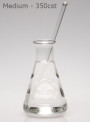
Dimethicone (Medium/350, Low-Odor)
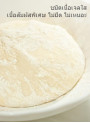
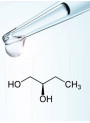
Butylene Glycol
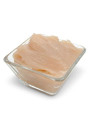
Hectorite Gel™ (Mineral Oil Base)
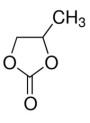
Propylene Carbonate
Tribehenin (Soft Wax, USA)
Alumina (5micron, Spherical)