BB Cream Formulation: Pigment Dispersion & Texture Issues
Question
I am formulating a BB cream and have encountered an issue with the texture. After mixing the color ingredients at approximately 20,000-23,000 rpm for 20-25 minutes, the final product still contains small, dispersed white pigment particles, and the texture is not smooth.
I would like to inquire about the appropriate steps, mixing speed, and necessary adjustments to the ingredients or their percentages to achieve a smooth and uniform texture.
My current ingredient list is as follows:
- Water
- Glycerine
- Hydagen® Aquaporin, UltraMild Aquaporin™
- Titanium Dioxide 250nm Pigment (Non-Treated)
- Beige Iron Oxides EasyMix™
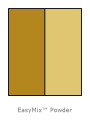
- Yellow Iron Oxides EasyMix™
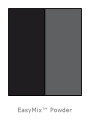
- Black Iron Oxides EasyMix™
- Polyhydroxystearic acid
- LipidSoft™ Cyclo (e.q. Cetiol Ultimate)
- CocoSilk™ (Coco-Caprylate/Caprate)
- Hemisqualane (C13-15 Alkane)
- Isododecane
- Silicone 5225C
- Mirasil Balance
- Hectorite Gel™ (Dicaprylyl Carbonate Base)
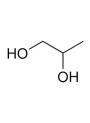
- Caprylyl Glycol
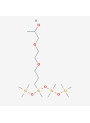
- PEG-10 Dimethicone
- Silicone Film
- SUNCAT MTA
- MatteSilica 5™ (5 Micron)
Answer
BB Cream Formulation: Addressing Pigment Dispersion and Texture Issues
It sounds like you're encountering a common challenge in BB cream formulation: achieving smooth, uniform pigment dispersion without visible white specks. This often happens when pigments, especially non-treated ones like Titanium Dioxide, are not fully dispersed before emulsification. Here's a guide to help you refine your process and ingredient usage:
1. Pigment Pre-Dispersion is Key
The most critical step to prevent white specks is to thoroughly pre-disperse your pigments in a suitable oil or silicone phase before combining with the water phase.
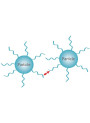
- Combine Pigments and Dispersant: Mix your Titanium Dioxide 250nm Pigment (Non-Treated), Beige Iron Oxides EasyMix™, Yellow Iron Oxides EasyMix™, and Black Iron Oxides EasyMix™ with Polyhydroxystearic acid. Polyhydroxystearic acid is an excellent pigment disperser that will help wet and separate the pigment particles, preventing agglomeration.
- Recommended Usage for Polyhydroxystearic acid: 1.5-3% of your total formula.
- Select Dispersion Medium: Disperse this pigment-dispersant mixture in a portion of your oil/silicone phase ingredients. Good choices from your list include Isododecane, LipidSoft™ Cyclo, CocoSilk™, Hemisqualane, or Silicone 5225C (PEG/PPG-18/18 Dimethicone). These emollients and silicones are excellent carriers for pigments.
- High-Shear Mixing for Pigments: Your current speed of 20,000-23,000 rpm for 20-25 minutes is suitable for this initial pigment dispersion step, provided you are using a high-shear homogenizer or dissolver blade designed for fine particle milling. Ensure the blade is fully submerged and creating a strong vortex to prevent air entrapment, which can also lead to specks. Continue mixing until the pigment paste is completely smooth and free of any visible particles.
2. Emulsification Process for Water-in-Oil/Silicone BB Cream
Once your pigments are perfectly dispersed in the oil/silicone phase, proceed with the emulsification:
- Prepare Oil/Silicone Phase (Phase A): Combine your pre-dispersed pigment mixture with the rest of your oil/silicone ingredients: LipidSoft™ Cyclo, CocoSilk™, Hemisqualane, Isododecane, Silicone 5225C (PEG/PPG-18/18 Dimethicone), Mirasil Balance (Water-in-Oil Balance™), Silicone Film, and Hectorite Gel™ (Dicaprylyl Carbonate Base). Mix well until homogeneous.
- Prepare Water Phase (Phase B): Combine Water, Glycerine, Hydagen® Aquaporin, and Caprylyl Glycol. For enhanced stability in water-in-oil emulsions, we highly recommend adding 1-2% Magnesium Sulfate to your water phase.
- Emulsification: Slowly add the water phase (Phase B) to the oil/silicone phase (Phase A) while continuously mixing with a high-shear mixer. The PEG-10 Dimethicone (SiliSolve™) and Mirasil Balance (Water-in-Oil Balance™) are your primary emulsifiers. Add the water phase gradually, in small increments, allowing each addition to fully incorporate before adding more. This slow addition and continuous high-shear mixing are crucial for creating a stable and fine emulsion.
- Post-Emulsification: After all the water phase has been added, continue mixing at a moderate speed for another 10-15 minutes to ensure the emulsion is stable and uniform.
3. Ingredient Considerations and Usage Rates
- Pigments:
- Titanium Dioxide 250nm Pigment (Non-Treated): Can be used at 1-25%. Since it's non-treated, its proper dispersion with Polyhydroxystearic acid is vital.
- Beige Iron Oxides EasyMix™, Yellow Iron Oxides EasyMix™, Black Iron Oxides EasyMix™: These are Methicone-coated for easier dispersion and can be used at 1-20% depending on desired shade.
- Dispersant:
- Polyhydroxystearic acid: Recommended at 1.5-3% to effectively disperse pigments and physical sunscreens.
- Emulsifiers:
- PEG-10 Dimethicone (SiliSolve™): Use at 0.5-1%. It helps bind water to silicone.
- Mirasil Balance (Water-in-Oil Balance™): Use at 1-2% for most formulas (range 0.1-4%). It is a water-in-oil/silicone emulsifier.
- Remember to add 1-2% Magnesium Sulfate to the water phase for improved emulsion stability.
- Thickener/Suspending Agent:
- Hectorite Gel™ (Dicaprylyl Carbonate Base): Use at 2.5-10% to create a gel texture for oils and help suspend pigments, preventing settling.
- Emollients/Solvents:
- LipidSoft™ Cyclo, CocoSilk™, Hemisqualane, Isododecane, Silicone 5225C (PEG/PPG-18/18 Dimethicone), Silicone Film: These are excellent emollients and solvents for your oil/silicone phase, contributing to the texture and spreadability. Their percentages will depend on the desired feel and overall oil phase content of your formula.
- Matte Agent:
- MatteSilica 5™ (5 Micron): Use at 0.1-20% to provide a matte finish and absorb excess oil. If your formula is oil-based, it's best to disperse MatteSilica 5™ in the water phase first or add it in the final step when the cream texture is formed to prevent it from absorbing oils within the formula itself.
By focusing on meticulous pigment pre-dispersion and carefully controlling your emulsification process, you should be able to achieve a smooth, uniform, and beautiful BB cream texture. You can find links to all mentioned products below this answer.
Related Products Mentioned
Isododecane (Germany)
Yellow Iron Oxides EasyMix™
Black Iron Oxides EasyMix™
Beige Iron Oxides EasyMix™
MatteSilica 5™ (5 Micron)
Caprylyl Glycol (1,2-Octanediol)
Polyhydroxystearic acid
LipidSoft™ Cyclo (e.q. Cetiol Ultimate)
CocoSilk™ (Coco-Caprylate/Caprate)
C13-15 Alkane