Body Wash Formulation with Specific Ingredients and Usage Percentages
Asked by: Amnee_Semsan
On: May 31, 2025
Product Type:
Cosmetics
Answered
Question
I need guidance on the percentage ranges for a body wash formulation using the following ingredients. Please advise which ingredients should be included or avoided from this list:
- Water
- EDTA 2Na
- Cocamidopropyl Betaine (India)
- Sodium Coco-Sulfate
- Cocamide DEA
- Green Tea Extract
- MANGOSTEEN PEEL EXTRACT
- Cucumber extract
- Glycerin
- Jojoba oil
- Zinc Ricinoleate
- Vit E
- Lactic acid 88%
- Sodiumbenzoate
- Phenoxyethanol
- Bird Nest Extract
- Nanocollagen
- Fragrance
- Propylene Glycol
- Tween 20
Answer
Body Wash Formulation Guide
This guide provides typical usage ranges and notes for the ingredients you listed when formulating a body wash. The final percentages will depend on the desired properties of your product (e.g., foam level, feel, added benefits). Always perform stability testing and microbial challenge testing on your final formula.
Base Ingredients
- Water: Use as the base, typically up to 100%. The exact percentage will be the remaining amount after adding all other ingredients. Use purified or distilled water.
- Cocamidopropyl Betaine: An amphoteric surfactant and co-surfactant. It helps boost foam, provides mild cleansing, and reduces irritation from anionic surfactants.
- Recommended Range: 15-30% (as supplied, typically 30-35% active).
- Notes: This is a key surfactant for mildness and foam quality.
- Sodium Coco-Sulfate: An anionic surfactant, provides primary cleansing and good lather.
- Typical Range: 10-25%.
- Notes: Can be more drying than other sulfates or milder surfactants. Adjust percentage based on desired cleansing strength and skin feel. Consider combining with milder surfactants to reduce potential dryness.
- Cocamide DEA: A non-ionic surfactant used as a foam booster and viscosity builder.
- Typical Range: 1-5%.
- Notes: While commonly used, some formulators prefer to avoid DEA-based ingredients due to potential concerns. Alternatives like Cocamide MIPA or MEA can be considered for thickening and foam boosting.
- Glycerin: A humectant that attracts and retains moisture, helping to hydrate the skin and improve the feel of the product.
- Recommended Range: 1-10%.
- Notes: Higher percentages can feel sticky in a wash-off product.
- Propylene Glycol: A humectant and solvent. It helps dissolve other ingredients and can contribute to skin hydration.
- Recommended Range: 1-10% (can be used up to 20%, but higher might feel less pleasant).
- Notes: Can help solubilize extracts and fragrances.
- EDTA 2Na (Disodium EDTA): A chelating agent that binds to metal ions in water, improving formula stability and preventing discoloration or precipitation.
- Recommended Range: 0.1-0.2%.
- Notes: Essential if not using deionized water.
- Lactic acid 88%: An Alpha Hydroxy Acid (AHA). Primarily used as a pH adjuster in body washes. At low concentrations and appropriate pH, it can offer mild exfoliation, but this is less common for significant effect in a wash-off product.
- Usage: Use as needed to adjust the final pH of the formula to the desired range (typically pH 5.5-6.5 for a body wash).
- Notes: Using Lactic Acid for exfoliation requires a lower pH (3.5-4.0) and careful formulation, which might not be suitable for a general body wash due to potential irritation. Using an 88% concentration requires careful handling and dilution.
- Sodiumbenzoate (Sodium Benzoate): A preservative.
- Typical Range: 0.1-0.5%.
- Notes: Most effective in acidic formulas (pH below 5.0). Often used in combination with other preservatives for broad-spectrum protection.
- Phenoxyethanol: A common preservative.
- Recommended Range: 0.5-1.0%.
- Notes: Provides good broad-spectrum preservation, especially against bacteria. Consider using a blend like Phenoxyethanol SA for enhanced fungal protection.
- Tween 20 (Polysorbate 20): A non-ionic surfactant used as a solubilizer for fragrances and oils, allowing them to disperse in the water phase.
- Recommended Range: 1-5% (adjust ratio based on the amount of oil/fragrance to be solubilized).
- Notes: The ratio of Tween 20 to the oil/fragrance is crucial for clarity and stability.
Beneficial Additives
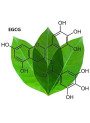
- Green Tea Extract (Hi-EGCG™ or Pure-EGCG™): Provides antioxidant and anti-inflammatory benefits.
- Recommended Range: 1-5% (liquid extract like Hi-EGCG™) or 0.1-2% (powder extract like Pure-EGCG™).
- Notes: Can impart color to the formula. Stability might be improved with antioxidants.
- MANGOSTEEN PEEL EXTRACT: Known for antioxidant and anti-inflammatory properties.
- Typical Range: 1-5%.
- Notes: As a botanical extract, check supplier specifications for solubility and stability.
- Cucumber extract: Offers soothing and hydrating properties.
- Recommended Range: 3-5%.
- Notes: Mix into the water phase, avoid high heat.
- Jojoba oil: An emollient that can provide a conditioning feel to the skin.
- Recommended Range: 0.5-3%.
- Notes: Being an oil, it needs to be properly solubilized with Tween 20 to avoid separation or cloudiness in a clear body wash. Higher percentages can reduce foam.
- Vit E (Tocopheryl Acetate or dl-alpha tocopherol): An antioxidant that protects the formula and can offer skin conditioning.
- Recommended Range: 0.1-1%.
- Notes: Oil-soluble forms require a solubilizer (Tween 20). Water-soluble forms are easier to incorporate into a body wash base.
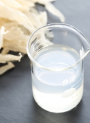
- Bird Nest Extract: Research suggests potential for skin healing and elasticity.
- Recommended Range: 1-10%.
- Notes: Water-soluble, mix into the water phase, avoid heat.
- Nanocollagen (Collagen HP, LipX®-Collagen, HRC-4000™): Skin conditioning ingredients.
- Recommended Range: 1-5% (for powder forms like Collagen HP). Check specific product details for others.
- Notes: The benefits of these ingredients in a wash-off product like body wash may be limited due to short contact time with the skin.
- Fragrance: Added for scent.
- Typical Range: 0.1-1.0%.
- Notes: Requires a solubilizer (Tween 20) to disperse in the water phase.
Ingredients to Use with Caution or Consider Alternatives
- Sodium Coco-Sulfate: Can be irritating or drying for some skin types. If aiming for a very mild body wash, consider reducing the amount or replacing it with gentler primary surfactants like Sodium Cocoyl Isethionate or Sodium Lauryl Sulfoacetate.
- Cocamide DEA: Consider using Cocamide MIPA or MEA as alternatives if you prefer to avoid DEA-based ingredients.
- Lactic acid 88%: Use primarily for pH adjustment in a body wash. If aiming for exfoliation, ensure the final pH is carefully controlled (3.5-4.0) and be aware of potential for skin irritation in a wash-off product. Using a pre-neutralized Lactic Acid might simplify formulation.
- Zinc Ricinoleate: While it absorbs odor, its effectiveness might be limited in a wash-off product. Consider if odor control is a primary goal for this body wash.
General Formulation Tips
- Mixing Order: Typically, water is the main ingredient. Add EDTA first to the water phase. Surfactants are added next. Water-soluble ingredients like Glycerin, Propylene Glycol, and water-soluble extracts/vitamins can be added to the water phase. Oil-soluble ingredients (Jojoba oil, oil-soluble Vitamin E, Fragrance) should be pre-mixed with Tween 20 before adding to the main water/surfactant phase. Preservatives are usually added in the cooling phase or at the end, depending on their heat sensitivity. Lactic Acid is added at the end to adjust pH.
- Viscosity: The combination and percentages of surfactants (especially Cocamidopropyl Betaine and Sodium Coco-Sulfate) and Cocamide DEA will largely determine the viscosity. Sodium Chloride (table salt) is often used as a thickener in sulfate-based surfactant systems. You might need to add a small amount (e.g., 0.5-2%) of Sodium Chloride to achieve desired thickness.
- pH Adjustment: After adding all ingredients except Lactic Acid, measure the pH. Add Lactic Acid dropwise to lower the pH to the desired range (typically 5.5-6.5 for a gentle body wash).
- Stability: Test the formula for stability at different temperatures (room temperature, elevated temperature, freeze-thaw cycles) to ensure it remains clear and consistent over time.
- Preservation: Ensure your chosen preservative system (Sodium Benzoate and Phenoxyethanol) is effective for your specific formula and pH range by performing a microbial challenge test. You might need to adjust the type or amount of preservative or use a broad-spectrum blend like Phenoxyethanol SA.
Remember that these are general guidelines. Start with lower percentages for active ingredients and adjust based on desired performance and stability.
Related Products Mentioned
Vitamin E (Tocopheryl Acetate)
Cosmetics
Jojoba Oil (Golden - Deodorized)
Cosmetics
Vitamin E (dl-alpha tocopherol)
Cosmetics
Propylene Glycol (USP)
Cosmetics
Glycerin (USP/Food Grade)
Cosmetics
Phenoxyethanol (Extra Pure)
Cosmetics
Cocamidopropyl Betaine
Cosmetics
Jojoba Oil (Clear - Deodorized)
Cosmetics
Polysorbate 20 (Tween 20)
Cosmetics
Disodium EDTA
Cosmetics
Cucumber Extract (France)
Cosmetics
Hi-EGCG™ (Green Tea Extract)
Cosmetics

Phenoxyethanol SA (eq. Optiphen Plus)
Cosmetics
Pure-EGCG™ (Green Tea Extract, 98% EGCG)
Cosmetics
Lactic Acid (AHA) 90%
Cosmetics
Collagen HP
Cosmetics
Bird (Swiftlet) Nest Extract
Cosmetics