Cat Hair Conditioner Formulation: Texture, Odor, and Conditioning Issues
Question
I am trying to make a hair conditioner for my cat that results in soft, smooth, non-heavy, fluffy, and detangled fur. I have tried two formulations:
Formula 1 (Attempted Cream):
- Water
- Cetyl Alcohol (8%)
- BTAC (2%)
- CTAC (1%)
- Propanediol
When I heated Cetyl Alcohol, BTAC, CTAC, and Propanediol together without water, they became almost dry and then hardened when added to water. The resulting product felt dry on the hair and washed out easily, providing no conditioning effect.
Formula 2 (Attempted Water-based):
- Water
- Glycerin
- CTAC
- GuarCat™ Weight-less
- Natural Moisturizing Amino Acids
- Citric Acid
This formula has a strong, glue-like smell.
Based on these attempts, I have the following questions:
- What caused the hardening and lack of conditioning in Formula 1, and how can I properly emulsify these ingredients?
- What could be the source of the glue-like odor in Formula 2, and how can I eliminate it without using fragrance?
- How can I adjust the formula or ingredients to achieve soft, smooth, non-heavy, fluffy, and detangled fur for my cat?
- What are suitable gentle preservatives for this type of cat hair conditioner formula, such as Mild Preserved Eco™ or Phenoxyethanol SA?
- What is the main difference between oil-based and non-oil conditioner formulas, and which is better for achieving a lightweight, fluffy result?
Answer
Hair Conditioner Formulation for Cats: Addressing Your Questions
It sounds like you're working on creating a gentle and effective hair conditioner for your cat, aiming for a soft, smooth, non-heavy, and fluffy result. Let's address the issues you encountered and your questions based on your formulas and the ingredient information.
1. Issues with Your First Formulation Method
The problem you experienced with ingredients 2, 3, 4, and 5 (Cetyl Alcohol, BTAC, CTAC, and Propanediol) becoming almost dry when heated together without water, and then hardening when added to water, is due to the improper method of creating an emulsion. These ingredients, particularly Cetyl Alcohol, BTAC, and CTAC, need to be properly melted and dispersed in a heated oil/fatty phase and then combined with a heated water phase while mixing vigorously to form a stable emulsion (cream). Heating the solid/fatty ingredients alone without the water phase and proper mixing technique prevents them from emulsifying correctly when water is added later, leading to separation and hardening.
As the staff correctly advised, using a double boiler or an electric stove with temperature control is crucial. You need to heat your water phase and your oil/fatty phase (containing Cetyl Alcohol, BTAC, CTAC, and Propanediol) separately to around 70°C. Once both phases are at the correct temperature, you combine the heated oil/fatty phase into the heated water phase and mix continuously and vigorously (ideally with a stick blender or strong whisk) while it cools down. This process is essential for forming a smooth, stable cream.
Your first formula also resulted in hair feeling dry and easy to wash out, like it didn't help. This could be a combination of the improper mixing affecting the performance of the conditioning agents and potentially the ratio of ingredients. While Cetyl Alcohol provides thickening and some emolliency, the conditioning effect primarily comes from the cationic surfactants (BTAC and CTAC). The ratio in your formula (8% Cetyl Alcohol, 2% BTAC, 1% CTAC) might be too high in fatty alcohol relative to the cationic conditioning agents for optimal slip and softness, especially if the emulsification wasn't successful.
2. Odor Issue in Your Second Formulation
You mentioned a strong, glue-like smell in your second formula (Water, Glycerin, CTAC, GuarCat Weight-less, Natural Moisturizing Amino Acids, Citric Acid). The staff reviewed the ingredients and did not identify any with such a strong odor. It's possible one specific batch of an ingredient has an unusual smell, or perhaps the combination is creating an unexpected scent. To pinpoint the source, try smelling each ingredient individually.
If the smell persists and you prefer not to use fragrance, the staff's suggestion of using Odor-Kill™ is a good one. It is designed to absorb odors from ingredients in the formula. You can try adding it at 0.5% as recommended.
3. Improving Performance for Soft, Smooth, Non-Heavy, Fluffy Hair
To achieve soft, smooth, non-heavy, fluffy, and detangled hair for your cat, focus on the right combination and concentration of conditioning agents, particularly cationic ones, and humectants.
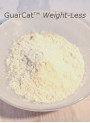
- Cationic Conditioners: CTAC and BTAC are cationic surfactants that provide excellent detangling and smoothing by coating the hair shaft. GuarCat™ Weight-less is a cationic polymer that offers conditioning and slip without adding significant weight or thickness, making it ideal for a fluffy feel. Increasing the concentration of these, especially GuarCat Weight-less (within its recommended usage rate of 0.1-1.0%, perhaps starting at 0.5% or higher if needed), can significantly improve softness and detangling without weighing the hair down.
- Humectants: Glycerin and Propanediol are humectants that draw moisture into the hair, helping to keep it hydrated and soft. Your use of these is beneficial.
- Keratin: Pure Keratin™ helps strengthen the hair structure and adds shine, contributing to a healthy, beautiful look.
- Light Emollients: While your second formula is water-based, adding a small amount (e.g., 1-3%) of a very light emollient like Caprylic/Capric Triglyceride or Isopropyl Myristate (Deodorized) can enhance slip and shine without making the hair feel heavy or greasy. These would typically be added to the oil phase if you were making an emulsified cream, or carefully dispersed in a water-based formula if compatible.
For a lightweight, fluffy result, a formula focusing on cationic polymers (like GuarCat Weight-less) and cationic surfactants (CTAC, BTAC) combined with humectants and Keratin is generally more suitable than a heavy cream base with a high percentage of fatty alcohols or heavy oils.
4. Preservative Options
Yes, Mild Preserved Eco™ is a suitable gentle preservative for your formula, especially since you want something mild for your cat. It is not classified as a preservative by the FDA but effectively prevents microbial growth. The recommended usage rate is 1.0-1.5% for general formulas, or up to 2.0% for formulas that are more difficult to preserve or have many natural ingredients. Phenoxyethanol SA is also a good, broad-spectrum preservative option, used at 0.5-1.25%.
5. Oil vs. Non-Oil Conditioner Formulas
The main difference lies in the type and amount of conditioning agents and emollients used:
- Oil-based formulas: These typically contain significant amounts of oils, esters (like Caprylic/Capric Triglyceride, Isopropyl Myristate), fatty alcohols (like Cetyl Alcohol, Cetearyl Alcohol), and often silicones, emulsified into a cream or lotion. They provide intense conditioning, shine, and frizz control but can sometimes feel heavier on the hair, potentially reducing volume.
- Non-oil or Lightweight formulas: These rely more on water-soluble or easily dispersed conditioning polymers (like GuarCat Weight-less), cationic surfactants (CTAC, BTAC), and humectants, with minimal or no heavy oils. They provide detangling, slip, and softness without significant weight, making them better for maintaining volume and a fluffy feel.
For your goal of fluffy, non-heavy hair for your cat, a lightweight, non-oil or minimal-light-oil formula focusing on cationic polymers and surfactants is likely the better approach.
Suggested Approach
Based on your ingredients and goals, consider focusing on a lightweight, water-based formula similar to your second attempt but optimizing the conditioning agents. Ensure you are using proper mixing techniques, especially for dissolving powders like GuarCat Weight-less (add slowly to water and stir continuously until fully dissolved, which can take about 15 minutes, and ensure pH is below 7.0, adjusting with Citric Acid if needed).
A possible structure could include:
- Water (adjust percentage based on other ingredients)
- Glycerin and/or Propanediol (e.g., 5-10% total)
- CTAC and/or BTAC (e.g., 1-2% total)
- GuarCat Weight-less (e.g., 0.5-1.0%)
- Pure Keratin™ (e.g., 1.0%)
- Mild Preserved Eco™ or Phenoxyethanol SA (at recommended usage rate)
- Optional: Caprylic/Capric Triglyceride or Isopropyl Myristate (Deodorized) (e.g., 1-3%) for added slip/shine.
- Optional: Odor-Kill™ (e.g., 0.5%) if odor is an issue.
- Citric Acid (to adjust pH to below 7.0, especially important for GuarCat Weight-less solubility).
Always test the formula on a small area first and observe your cat for any signs of irritation. Good luck with your formulation!
Related Products Mentioned
Glycerin (USP/Food Grade)
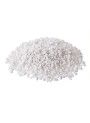
Cetrimonium Chloride (CTAC)
Cetyl Alcohol
Ethylhexylglycerin

Phenoxyethanol SA (eq. Optiphen Plus)
Mild Preserved Eco™ (Preservative-Free)
Behentrimonium Chloride (BTAC)
Odor-Kill™
GuarCat™ Weight-less
Isopropyl Myristate (Deodorized)