Clay Mask Formulation with Specific Ingredients
Question
I would like to formulate a clay mask using the following ingredients. Could you provide guidance or a sample formulation?
- Bentonite
- Zinc Oxide
- Calamine
- Glycerin
- Propylene Glycol
- Silicon oil
- Salicylic Acid
- D-Panthenol
- Allantoin
- Methylparaben
- Propylparaben
- Titanium dioxide
- Aloe vera
- Ocimum sanctum
- Demineralized water
Answer
# Clay Mask Formulation Suggestion\n\nBased on the ingredients you listed, here is a suggested starting formulation for a soothing and clarifying clay mask. The percentages are typical ranges and may need adjustment based on the specific ingredients used and desired mask properties.\n\n| Ingredient | Suggested Percentage (%) | Function |\n| :------------------ | :----------------------- | :------------------------------------------- |\n| Demineralized Water | 48.0 | Base solvent |\n| Bentonite Clay | 20.0 | Absorbent, thickener, mask base |\n| Calamine | 10.0 | Soothing, drying, colorant (Zinc Oxide + Ferric Oxide)|\n| Zinc Oxide | 5.0 | Soothing, astringent, opacifier |\n| Glycerin | 5.0 | Humectant (moisture retention) |\n| Propylene Glycol | 3.0 | Humectant, solvent |\n| Titanium dioxide | 2.0 | Opacifier, colorant |\n| Aloe vera extract | 2.0 | Soothing, hydrating |\n| Salicylic Acid | 1.0 | Exfoliant (BHA), helps with acne |\n| D-Panthenol (B5) | 1.0 | Soothing, moisturizing |\n| Ocimum sanctum ext. | 1.0 | Soothing, antioxidant (Holy Basil) |\n| Silicon oil | 1.0 | Improves texture, spreadability |\n| Allantoin | 0.5 | Soothing, skin conditioning |\
| Methylparaben | 0.2 | Preservative |\n| Propylparaben | 0.3 | Preservative |\n| Total | 100.0 | |\n\nImportant Formulation Notes:\n\n* This formula requires careful mixing to ensure all powders (clays, calamine, zinc oxide, titanium dioxide, salicylic acid, allantoin, parabens) are fully dispersed in the liquid phase.\n* Salicylic Acid is not water-soluble. It needs to be dissolved in a suitable solvent like Propylene Glycol or alcohol before being added to the water phase. Heating the solvent may be necessary depending on the specific type of Salicylic Acid used.\n* Silicon oil (like Dimethicone) is not water-soluble and should be mixed with any other oil-soluble ingredients or dispersed properly in the formulation, potentially requiring an emulsifier depending on the overall formula structure.\n* Allantoin has limited solubility in water at room temperature (around 0.5%). Using Propylene Glycol or Glycerin in the water phase can help increase its solubility slightly. If using more than 0.5%, heating the water phase may be necessary to dissolve it, and it may recrystallize upon cooling.\n* The type of Titanium Dioxide listed (Pigment grade) is primarily for color and opacity, not UV protection. If UV protection is desired, a sunscreen-grade Titanium Dioxide would be needed.\n* Zinc Oxide also contributes to soothing properties and opacity. The liquid dispersion type is easier to incorporate but is often designed for specific emulsion types (like water-in-oil).\n* Ensure your chosen preservatives (Methylparaben, Propylparaben) are effective at the final pH of your mask formulation.\n* Always make a small test batch to check for stability, texture, and performance before scaling up.\n\nThis formulation provides a base combining absorbent clays with soothing and skin-conditioning agents. Adjustments may be needed based on the specific raw materials and desired product characteristics.
Related Products Mentioned
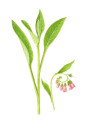
Allantoin
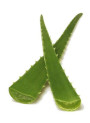
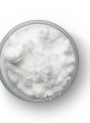
Propylene Glycol (USP)
Glycerin (USP/Food Grade)
Salicylic Acid (BHA, Pharma Grade)
Dimethicone (Light/50, Low-Odor)