Cleansing Balm Formulation: Melting Point, Ingredients, Emulsifier, and Mixing
Question
I am interested in making a cleansing balm for home use that melts easily on the skin but remains solid at room temperature in Thailand.
- What is a suitable melting point for this type of product?
- I would like to use ingredients similar to this list, or if simpler, please advise on the percentage of oil blend, emulsifier, butter, and wax. Should there be water, and if so, how much? Please also provide the mixing steps.
ethylhexyl palmitate
Cetyl Ethylhexanoate
C12-15 alkylbenzoate
Caprylic Capric Glycerides
Triethylhexanoin
Natural Oil such as Chia Seed Oil, Tea seed Oil (Camellia), Jojoba Oil
Rice Bran Wax or Candellilia Wax
Polyethylene (wax)
shea butter
Cocoa Butter
c8-10 Triglyceride (Melting Butter)
Please recommend the percentages for each ingredient/group or suggest a formula if other ingredients are needed.
What is Glyceryl Steareth? Is it in the oil or water phase?
For the emulsifier, I prefer to use the polyglyceryl group because I am sensitive to PEG. Could you also recommend Deceth/Trideceth options? I prioritize a soft and clean feel.
(Background: I am not a chemist, just want to make this at home as commercial products are expensive. I might ask many questions, please answer all points. Thank you.)
Answer
Cleansing Balm Formulation
1. Melting Point
For a cleansing balm that melts easily on the skin but remains solid at typical room temperature in Thailand (around 25-30°C), an ideal melting point for the overall balm would be in the range of 35-45°C. This temperature range is slightly above standard room temperature, ensuring the balm stays solid in the jar, but is easily melted by the warmth of your fingertips and skin during application.
2. Ingredients, Percentages, and Mixing Steps
Here is a sample formula structure using the types of ingredients you mentioned. You can adjust the specific oils, butters, and waxes within the suggested percentage ranges based on your preference for texture and feel.
Sample Formula Structure:
- Oil/Ester Blend: 55-75%
- Role: Dissolves makeup, sunscreen, and impurities. Provides slip and spreadability.
- Examples: LipidSoft Palm (Ethylhexyl palmitate), LipidSoft CC (Cetyl Ethylhexanoate), C12-15 alkyl benzoate, LipidSoft Moist (Triethylhexanoin), Jojoba Oil, Chia Seed Oil, Tea Seed Oil. You can use a combination of these.
- Butter Blend: 15-25%
- Role: Contributes to the solid/semi-solid texture and the "melting" feel on the skin. Provides nourishment.
- Examples: Shea Butter, Cocoa Butter, Melting Butter Soft (C10-18 Triglycerides). Melting Butter Soft is particularly good for achieving the desired melt-on-skin effect.
- Wax Blend: 5-10%
- Role: Provides structure and increases the melting point to keep the balm solid at room temperature.
- Examples: Rice Bran Wax, Candelilla Wax. Use just enough to achieve the desired firmness.
- Emulsifier: 10-20%
- Role: Allows the oil-based balm to emulsify with water and rinse cleanly from the skin, without leaving a greasy residue.
- Recommendation: Caprylic/Capric Glycerides Polyglycerin-10 Esters (as discussed in point 4).
- Antioxidant: 0.1-0.5%
- Role: Helps prevent the oils from going rancid.
- Example: Vitamin E (Tocopheryl Acetate).
Optional: Fragrance, color (add at cool down phase).
(Note: This type of cleansing balm is typically anhydrous, meaning it contains no water. Water is added by the user during the cleansing process.)*
Example Formula (adjust percentages within ranges as needed):
- LipidSoft Palm (Ethylhexyl palmitate): 20%
- LipidSoft CC (Cetyl Ethylhexanoate): 15%
- C12-15 alkyl benzoate: 10%
- Jojoba Oil: 10%
- Shea Butter: 5%
- Melting Butter Soft (C10-18 Triglycerides): 15%
- Rice Bran Wax: 5%
- Caprylic/Capric Glycerides Polyglycerin-10 Esters: 20%
- Vitamin E (Tocopheryl Acetate): 0.5%
- (Optional) Fragrance/Essential Oil: 0.5%
Mixing Steps:
- Combine Oil Phase: In a heat-resistant beaker or container, combine all the ingredients from the Oil/Ester Blend, Butter Blend, and Wax Blend, plus the Emulsifier and Vitamin E.
- Heat Gently: Heat the mixture using a double boiler (bain-marie) or very low heat, stirring gently until all the solid ingredients (butters and waxes) are completely melted and the mixture is clear and uniform. Avoid excessive heat. Aim for around 70-80°C, which is sufficient to melt the waxes.
- Cool Down (Optional Additives): Remove from heat. If adding any heat-sensitive ingredients like fragrance or essential oils, wait for the mixture to cool slightly (below 40°C) before adding them and stirring well.
- Pour and Cool: Pour the liquid balm into your desired container(s).
- Solidify: Allow the balm to cool completely at room temperature until it solidifies. For a smoother texture, you can stir the balm occasionally as it cools and starts to thicken, but before it becomes fully solid.
3. Glyceryl Steareth
Glyceryl Steareth is a general term that can refer to ethoxylated glyceryl stearate esters. Based on the search results, a relevant ingredient found is Glyceryl Stearate SE (Self-Emulsifying).
- What it is: Glyceryl Stearate SE is a self-emulsifying grade of Glyceryl Stearate, which is an ester made from glycerin and stearic acid. The "SE" indicates it contains a small amount of potassium stearate, which allows it to form stable emulsions on its own. It acts as a thickener and co-emulsifier.
- Phase: Glyceryl Stearate SE is typically added to the oil phase of a formulation and heated to melt before being combined with the water phase. It helps to thicken the oil phase and aids in creating a stable emulsion when the oil and water phases are mixed.
4. Emulsifier Recommendation (Polyglyceryl vs. Deceth/Trideceth)
You are looking for a PEG-free emulsifier from the polyglyceryl or Deceth/Trideceth group that provides a soft and clean feel.
- Polyglyceryl Options: Based on the search, Caprylic/Capric Glycerides Polyglycerin-10 Esters is a suitable O/W emulsifier derived from natural sources (glycerin, capric acid, caprylic acid). It is non-ionic and water-soluble, which is excellent for a cleansing balm that needs to emulsify oils and rinse off cleanly with water, leaving the skin feeling soft and clean. Polyglyceryl-2 Triisostearate is a W/O emulsifier, which is not suitable for creating a balm that turns milky and rinses off with water.
- Deceth/Trideceth Options: Ingredients like Deceth and Trideceth are ethoxylated alcohols. Since you have sensitivity to PEG (which is also an ethoxylated compound), it is possible you might also react to other ethoxylated ingredients like Deceth or Trideceth.
Recommendation: Given your preference to avoid PEG and the need for an emulsifier that allows the balm to rinse cleanly with water, Caprylic/Capric Glycerides Polyglycerin-10 Esters from the polyglyceryl group is the recommended choice. It functions well as an O/W emulsifier for cleansing systems and is generally considered mild.
Using this emulsifier at a sufficient percentage (10-20% as suggested in the formula) will ensure the balm effectively emulsifies with water, providing that desired soft and clean feel after rinsing.
I hope this detailed explanation and sample formula help you create your own melting cleansing balm at home!
Updated Review: May 2026
This section was added after reviewing the original answer against current product availability and formulation knowledge at the stated point in time.
Update as of 2026-05-24
The original cleansing-balm framework is still a useful starting point for a balm that softens around 35–45°C and stays reasonably solid in Thai room temperature. Please note these current cautions:
- For a simple DIY jar balm, keep the formula anhydrous. Do not add water, hydrosol, aloe juice, or other water-containing ingredients unless you also design a suitable preservative system and test stability/microbial risk. Even an anhydrous balm can be contaminated if wet fingers or bathroom water enter the jar, so use a clean dry spatula and make small batches.
- The example formula in the old answer must be adjusted to total exactly 100%. As written, it totals 100.5% with Vitamin E, or 101.0% if fragrance is also added. Reduce the liquid oil/ester phase by the same amount as Vitamin E/fragrance or any other optional additive.
- For a PEG-sensitive user, the polyglyceryl direction remains preferable to PEG, Deceth, or Trideceth systems. Caprylic/Capric Glycerides Polyglycerin-10 Esters is still a relevant PEG-free polyglyceryl option, but current product guidance for this specific ingredient is lower than the old 20% example, so follow the current product page and test rinse-off in a small batch. Current polyglyceryl alternatives include Polyglyceryl-10 Caprylate/Caprate, Polyglyceryl-6 Caprylate, Polyglyceryl-4 Caprate, Polyglyceryl-2 Sesquicaprylate, and Sebum-Off (Polyglyceryl-10 Laurate); they differ in solubility and recommended use rate, so they are not one-to-one replacements.
- Ready-made bases such as Cleansing Balm (Colorless, Fragrance-Free) and Cleansing Balm (Soft, Colorless, Fragrance-Free) can be convenient, but they should not be treated as PEG-free substitutes. Current INCI information shows PEG/ethoxylated emulsifiers and/or water-preservative systems, so check the INCI carefully before using them for a PEG-sensitive formula.
- Glyceryl Stearate / Glyceryl Stearate SE should still be treated mainly as an oil-phase ingredient for this type of balm: heat it together with the oils, butters, and waxes until fully melted.
General references: Harry’s Cosmeticology, 9th ed.; Barel, Paye & Maibach, Handbook of Cosmetic Science and Technology, 4th ed.; Siegert W., International Journal of Cosmetic Science, 2013, 35(4):345–350.
Related Products Mentioned
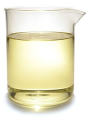
Vitamin E (Tocopheryl Acetate)
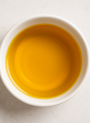
Jojoba Oil (Golden - Deodorized)
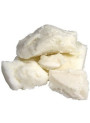
Shea Butter (Refined , Deodorised)
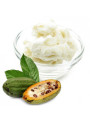
Cocoa Butter (Deodorized, Refined)
Candelilla Wax (Refined, Melting 70C)
LipidSoft™ CC (Cetyl Ethylhexanoate)
LipidSoft™ Palm (Ethylhexyl palmitate)
LipidSoft™ Moist (Triethylhexanoin)
Rice Bran Wax
C12-15 alkyl benzoate Gel (Flowable)
Chia Seed Oil (Virgin, Cold-Pressed)
Polyglyceryl-10 Caprylate/Caprate
Polyglyceryl-6 Caprylate
Polyglyceryl-4 Caprate

Polyglyceryl-2 Sesquicaprylate