Clinique Moisture Surge Base Formula Analysis and Replication
Question
I have the ingredient list for Clinique Moisture Surge:
Water\Aqua\Eau, Dimethicone, Butylene Glycol, Glycerin, Trisiloxane, Trehalose, Sucrose, Ammonium Acryloyldimethyltaurate/VP Copolymer, Hydroxyethyl Urea, Camellia Sinensis (Green Tea) Leaf Extract, Silybum Marianum (Lady’S Thistle) Extract, Betula Alba (Birch) Bark Extract, Saccharomyces Lysate Extract, Aloe Barbadensis Leaf Water, Thermus Thermophillus Ferment, Caffeine, Sorbitol, Palmitoyl Hexapeptide-12, Sodium Hyaluronate, Caprylyl Glycol, Oleth-10, Sodium Polyaspartate, Saccharide Isomerate, Hydrogenated Lecithin, Tocopheryl Acetate, Acrylates/C10-30 Alkyl Acrylate Crosspolymer, Glyceryl Polymethacrylate, Tromethamine, PEG-8, Hexylene Glycol, Magnesium Ascorbyl Phosphate, Disodium EDTA , BHT, Phenoxyethanol, Red 4 (Ci 14700), Yellow 5 (CI 19140). [ILN44001]
The cream has a thick, jelly-like, semi-gel semi-cream texture that absorbs quickly and is non-sticky, suitable for dry skin. I want to replicate just the base formula (I will add my own active ingredients).
However, there are 4 ingredients I need help with. Could you please recommend alternative ingredients available from MySkinRecipes?
- What is the function of Sucrose in this formula?
- Oleth-10 is listed as a non-polar emulsifier / surfactant. What is its role?
- What is Sodium Polyaspartate? What is its function in this formula?
- What is Sorbitol? What is its function in this formula?
Additionally, I have some questions:
- Based on this formula, can you estimate the percentage of Dimethicone and Trisiloxane used?
- If I add QuikBlur™ (Polymethylsilsesquioxane Solution), will it be considered part of the silicone phase?
- Besides Acrylates/C10-30 Alkyl Acrylate Crosspolymer (Pro Polymer), what other emulsifier(s) might be used in this Clinique formula to help emulsify silicone?
I am unsure what percentage of Pro Polymer™ (Gel Maker) I should use to emulsify all the silicone and achieve a cream texture that absorbs easily, feels dry quickly after application, is non-sticky, and doesn't make the skin look greasy, as I intend to apply skincare and then makeup immediately.
Thank you in advance for your advice.
Answer
Clinique Moisture Surge Base Formula Analysis and Replication Guidance
Based on the ingredient list provided, here is an analysis of the base formula and recommendations for replicating it, focusing on the ingredients you inquired about and the texture you desire.
Ingredient Analysis and Substitutions
Here's a look at the specific ingredients you asked about and potential alternatives available:
- Sucrose: In this formula, Sucrose likely acts as a humectant, helping to draw and retain moisture in the skin. While pure Sucrose can be used, "Sucrose Cream Maker™" (Sucrose Polystearate (and) Cetyl Palmitate) is an available ingredient that functions as a natural O/W emulsifier and contributes to a pleasant, non-oily skin feel. If you need a humectant, consider Glycerin or Sodium Hyaluronate, which are already in the original formula and available. If you are interested in the emulsifying and texture benefits, "Sucrose Cream Maker™" is an option.
- Oleth-10: This is a nonionic surfactant/emulsifier crucial for creating and stabilizing the oil-in-water emulsion, especially with silicones. Direct Oleth-10 may not be available, but similar nonionic emulsifiers like Oleth-5 or Ceteareth-10 can serve a similar purpose, though testing would be needed to determine the best fit and usage level for your specific formula.
- Sodium Polyaspartate: This ingredient functions as a humectant and film-former, contributing to skin hydration and feel. It is not available. Suitable alternatives for hydration and feel include Sodium Hyaluronate and Glycerin, both present in the original formula.
- Sorbitol: A sugar alcohol that functions as a humectant and texturizer that helps with moisture retention and product feel. "Sorbitol Solution 70%" is available and suitable for use.
Formulation Questions
- Percentage of Dimethicone and Trisiloxane: The exact percentages cannot be determined from the ingredient list alone. However, their high placement in the list indicates they are significant components, contributing to the light, smooth, and fast-absorbing texture. Dimethicone (various viscosities available) is a primary emollient, and Trisiloxane is a very light, volatile silicone that enhances spreadability and provides a non-greasy feel. You will need to experiment with concentrations, likely using Dimethicone as a major component after water, and Trisiloxane at a lower percentage to provide lightness and fast evaporation.
- Adding QuikBlur™: Yes, adding QuikBlur™ (Polymethylsilsesquioxane Solution) introduces a silicone derivative. It will enhance the blurring effect and contribute to a silky, non-greasy feel, aligning with the desired texture.
- Other Emulsifiers for Silicone: While Pro Polymer™ (Acrylates/C10-30 Alkyl Acrylate Crosspolymer) acts as a thickener and helps stabilize the gel structure, it is not the primary emulsifier for silicones. The formula likely utilizes other emulsifiers like Hydrogenated Lecithin and potentially nonionic surfactants (such as Oleth-10, or available alternatives like Oleth-5 or Ceteareth-10) to effectively emulsify the silicone phase within the water base. A combination of these would be necessary for a stable emulsion.
Pro Polymer™ Usage Recommendation
Pro Polymer™ is a gel-forming thickener. To achieve a light, fast-absorbing, non-greasy gel-cream texture that can incorporate silicones, you should start with a lower to moderate concentration of Pro Polymer™, likely in the range of 0.8% to 1.5%. The optimal percentage will depend on the total formula composition and the desired viscosity. It is essential to use appropriate emulsifiers alongside Pro Polymer™ to ensure the silicones are well-emulsified and the formula is stable. Experimentation is key to finding the right balance for your desired texture.
Related Products Mentioned
Vitamin E (Tocopheryl Acetate)
Glycerin (USP/Food Grade)
Phenoxyethanol (Extra Pure)
Disodium EDTA
Aloe Vera Gel (Heavy)
TreMoisture™ (Trehalose)
Pro Polymer™ (Gel Maker)
Butylene Glycol
FD&C Yellow No.5 Lake
Dimethicone (Light/50, Low-Odor)
Hi-EGCG™ (Green Tea Extract)
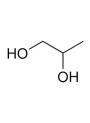
Caprylyl Glycol (1,2-Octanediol)
Sorbitol Solution 70%
Trisiloxane
Magnesium Ascorbyl Phosphate
Dermal Respiratory Factor
HYDRO-UREA® Powder
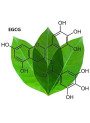
Pure-EGCG™ (Green Tea Extract, 98% EGCG)
Glycerin Gel (Glyceryl Polyacrylate)
Butylated Hydroxytoluene (BHT)
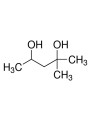
Hexylene Glycol
Ceteareth-10
Aristoflex AVC
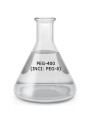
Polyethylene Glycol 400 (PEG-8)

FD&C Red No.4 (CI 14700) (Water-Soluble)

FD&C Red No.4 (CI 14700) EasyWash™

FD&C Red No.4 (CI 14700) HiStain™
Hyaluronic Acid Gel Base
Oleth-5
Pep®-Elastyl (Palmitoyl Hexapeptide-12)

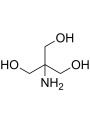
Tromethamine (TRIS, eq. AMINO ULTRA PC)
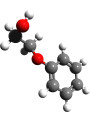
Phenoxyethanol P5