Combining Pitera, DNA Repair, Ectoine, and SOD in Formulations
Question
Can Pitera, DNA Repair, Ectoine, and SOD be combined in a cosmetic formulation, and what are the recommendations for mixing them?
Answer
Combining Pitera, DNA Repair, Ectoine, and SOD in Formulations
It is possible to combine ingredients like Pitera, DNA Repair, Ectoine, and SOD into a single cosmetic formulation, such as a serum or lotion. However, directly mixing the raw ingredient weights you provided (100g Pitera, 15g DNA Repair, 2g Ectoine, 2g SOD) is not the standard way to create a cosmetic product. These are raw material weights, and they need to be incorporated into a suitable base at their recommended usage percentages.
Here's a breakdown of the ingredients and considerations for mixing them:
- Pitera (Galactomyces Ferment Filtrate): This is typically used in water-based formulations. It should be added in the final step of your formulation process, ensuring the temperature is below 40°C. Recommended usage rates can vary widely (1-100%), but common effective concentrations are lower.
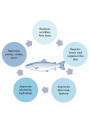
- DNA Repair (Bifida Ferment Lysate, Salmon DNA): Several forms exist. Bifida Ferment Lysate products (like Repair Activator or Bifida Repair Complex) are water-soluble and should generally be mixed into the water phase, avoiding temperatures above 40°C. Salmon DNA (PDRN) is also water-soluble and sensitive to heat. The specific type (solution, flake, floc) might require different mixing techniques.
- Ectoine: This ingredient is highly stable and water-soluble. It can withstand temperatures up to 80°C, but it's usually dissolved in the water phase. Recommended usage is typically 0.5-2.0%.
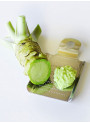
- SOD (Superoxide Dismutase): SOD powder is water-soluble but may require specific mixing methods depending on your base (anhydrous or water-based with a thickener). SOD-Wasabi is a liquid form that is water-soluble and should be added in the final step below 40°C. SOD powder often requires refrigeration for storage.
Compatibility and Formulation Tips:
- All these ingredients are compatible with water-based systems, making them suitable for serums, toners, or light lotions.
- Pay close attention to the mixing temperature for each ingredient. Most are sensitive to heat and should be added in the cool-down phase (below 40°C).
- Consider the recommended usage rate for each ingredient based on the specific product you are using to achieve desired efficacy without causing issues like stickiness (which can happen with high concentrations of ferments).
- The stability of the final mixture will depend on the specific forms of the ingredients and the overall formulation. Storage conditions should follow the requirements of the most sensitive ingredient, which may mean refrigeration for the final product if using ingredients like SOD powder or certain DNA Repair types.
- Always perform small test batches to check for compatibility, stability, and desired texture before making a large batch.
By formulating these ingredients into a proper cosmetic base at appropriate percentages and following the mixing instructions for each, you can create a beneficial product targeting skin repair, hydration, and antioxidant protection.
Relevant products found include:
- Galactomyces Ferment Filtrate (aka Pitera)
- Galactomyces Ferment Filtrate (Glycol Free, Glycerin Free, Preservative Free)
- Repair Activator™ BG (Bifida Ferment Lysate, Butylene Glycol Base)
- Repair Activator™ WS (Bifida Ferment Lysate, Water Base)
- Bifida Repair Complex™ (Bifida Ferment Lysate, High Conc)
- Salmon DNA (PDRN, Polydeoxyribonucleotide, 5000ppm Solution)
- Salmon DNA (PDRN, Polydeoxyribonucleotide, 90% Micronized Flake)
- Salmon DNA (PDRN, Polydeoxyribonucleotide, 90% Freeze-Dried Floc)
- Ectoine (Ectoin, from Bio-fermentation)
- SOD (Superoxide dismutase) (50000IU/g)
- SOD-Wasabi™ (Wasabi Ferment Extract)
Related Products Mentioned
Ectoine (Ectoin, from Bio-fermentation)
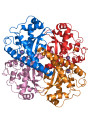
SOD (Superoxide dismutase) (50000IU/g)