Compatibility of Licorice Extract Derivatives and Exfoliating Acids with Copper Peptide
Question
I would like to know about the compatibility of ingredients with Copper Peptide (GHK-Cu).
- Which form of Licorice extract and its active derivatives are compatible with Copper Peptide?
- Are exfoliating acids like PHA, AHA, BHA, and LHA compatible with Copper Peptide?
Answer
Compatibility of Ingredients
Here's information on the compatibility of Licorice extract derivatives and Alpha Hydroxy Acids (AHA), Beta Hydroxy Acids (BHA), Poly Hydroxy Acids (PHA), and Lipo Hydroxy Acid (LHA) with Copper Peptide.
Licorice Extract Derivatives and Copper Peptide
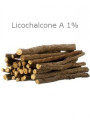
Licorice extract and its active derivatives, such as Glabridin and Licochalcone A, are known for their anti-inflammatory and antioxidant properties. Copper Peptide (GHK-Cu) is beneficial for skin repair, collagen synthesis, and also has anti-inflammatory effects.
Based on the product information:
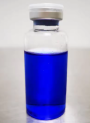
- Copper Peptide products (like Copper Peptide (GHK-Cu, Copper Tripeptide-1) 1000ppm Solution, Copper Peptide (GHK-Cu Copper Tripeptide-1, 1:1) Powder, and Copper Tripeptide 10x (GHK-Cu, Copper Tripeptide-1) 10000ppm Solution) are stable and effective in formulations with a pH range of 4.5-7.4.
- Some Licorice extracts containing Licochalcone A (like Licorice Extract (Licochalcone A 1%, Water-Soluble) and Hi-LiconeA™ Licorice Extract (Licochalcone A 20%)) have recommended pH ranges that overlap with the lower end of the Copper Peptide range (pH 3.5-6.5). Other forms of Licorice extract like those containing Glabridin (Pure-Glabridin™ Licorice Extract (Glabridin 90%), Hi-Glabridin™ Licorice Extract (Glabridin 40%), Licorice Extract (Glabridin 4.5%, Water-Soluble)) and Glycyrrhizic acid (Glycyrrhizic acid (Oil Soluble Licorice Extract)) have different solubility requirements but do not specify a strict pH range for the final formula that would necessarily conflict.
Generally, Licorice extract derivatives can be formulated together with Copper Peptide, provided the final product's pH is carefully adjusted and maintained within the optimal range for Copper Peptide (4.5-7.4) to ensure its stability and efficacy.
PHA, AHA, BHA, LHA and Copper Peptide
Combining exfoliating acids like AHAs, BHAs, PHAs, and LHA with Copper Peptide in the same formulation is generally not recommended due to conflicting pH requirements.
- Copper Peptide requires a pH range of 4.5-7.4 for stability.
- AHAs, BHAs, and PHAs are typically formulated at lower pH levels (often between 3-4) to achieve effective exfoliation.
- LHA (Capryloyl Salicylic Acid) is described as having a pH close to skin's natural pH (5.5), but its exfoliating activity is still pH-dependent, and formulating at a pH low enough for significant exfoliation may destabilize Copper Peptide.
Formulating these acids at their optimal exfoliating pH would likely degrade the Copper Peptide. Therefore, it is best to avoid combining them in a single product. If you wish to use both types of ingredients in your routine, consider using them in separate products applied at different times of the day (e.g., acid exfoliant in the evening, Copper Peptide in the morning).