Compatibility of Peptides, Vitamin C, and Retinal with Vitamin E
Question
Is it possible to combine peptides, Ascorbyl Tetraisopalmitate (Perfect-C™), and Retinaldehyde (Retinal-EZ™) in a single formulation? Should Vitamin E be added for synergistic effects, and if so, which type (dl-alpha tocopherol vs. Tocopheryl Acetate) is preferred?
Answer
Combining Peptides, Vitamin C, and Retinal
It is possible to combine peptides, Perfect-C™ (Ascorbyl Tetraisopalmitate), and Retinal-EZ™ (Retinaldehyde) in a single formulation, but it requires careful consideration of pH and formulation stability.
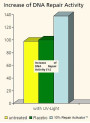
- Peptides: Ingredients like Pep®-Coll (Palmitoyl Tripeptide-5), Pep®-Synthe6 (Palmitoyl Tripeptide-38), and Repair Activator™ (Bifida Ferment Lysate) are generally compatible with many cosmetic ingredients. Repair Activator™ works best in a slightly acidic pH range (4-5.5).
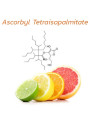
- Perfect-C™ (Ascorbyl Tetraisopalmitate): This is a stable, oil-soluble form of Vitamin C. For optimal stability and efficacy, the formula pH should be within 5.0-5.5. It provides antioxidant benefits, helps brighten the skin, and stimulates collagen synthesis.
- Retinal-EZ™ (Retinaldehyde): This is an encapsulated, water-dispersible form of Retinal, a potent Vitamin A derivative. Encapsulation helps improve stability and reduce irritation. Retinal is effective for anti-aging and wrinkle reduction.
Combining these actives can offer comprehensive benefits, targeting multiple signs of aging. The key is to ensure the overall formula pH is suitable for the stability and efficacy of all ingredients, particularly Perfect-C™ (pH 5.0-5.5). The encapsulation of Retinal-EZ™ helps mitigate some compatibility concerns.
Benefit of Adding Vitamin E
Yes, adding Vitamin E can be highly beneficial to this formulation. Vitamin E is a powerful antioxidant that can help protect other sensitive ingredients, such as Vitamin C and Retinal, from oxidation and degradation. This helps maintain their efficacy over time. Additionally, Vitamin E provides its own antioxidant and skin-conditioning benefits.
Which Vitamin E to Choose?
For a formula containing oil-soluble Perfect-C™ and other lipid components, an oil-soluble form of Vitamin E is suitable. Among the available options, Vitamin E (dl-alpha tocopherol) is generally preferred over Vitamin E (Tocopheryl Acetate) due to its higher antioxidant activity. While dl-alpha tocopherol is less stable in isolation than Tocopheryl Acetate, its superior ability to neutralize free radicals makes it more effective at protecting other ingredients in the formula. Add it during the oil phase or at the final step, avoiding prolonged high heat.
In summary, a well-formulated product can combine these ingredients. Adding Vitamin E, specifically dl-alpha tocopherol, would enhance the antioxidant protection and overall stability and efficacy of the serum.
Related Products Mentioned
Pep®-Coll (Palmitoyl tripeptide-5)

Vitamin E (Tocopheryl Acetate)
Vitamin E (dl-alpha tocopherol)