Cosmetic Formulation Analysis: Ingredient Compatibility, Manual Mixing, and pH Adjustment
Question
Based on the provided formulations, please analyze the ingredient compatibility and provide feedback on the feasibility of manual mixing for each formula. Additionally, please confirm if using Citric Acid and KOH for pH adjustment and measuring pH with pH paper is appropriate.
Formulations provided:
Face Cream 100g:
- RO Water
- EDTA
- GlucoBright (N-Acetyl Glucosamine)
- Safe-B3 (Niacinamide)
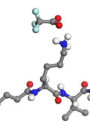
- Pep-Coll (Palmitoyl Tripeptide-5)
- Fractionated Coconut Oil
- Protec OX (Antioxidant)
- MSH White Absorb (MSH White)
- Deoxyarbutin (Alpha-Arbutin)
- SiliSolve Plus (Emulsifier)
- Vitamin C (L-Ascorbic Acid)
- Mild Preserved Eco (Preservative blend)
10% AHA Gel 100g:
- RO Water
- EDTA
- Glycolic Acid (AHA)
- Propolymer (Acrylate Crosspolymer)
- Mild Preserved Eco (Preservative blend)
2% BHA 200g:
- RO Water
- EDTA
- Isopentyldiol (Solvent)
- Salicylic Acid (BHA)
- Mild Preserved Eco (Preservative blend)
10% AHA + 2% BHA Body Lotion 200g:
- RO Water
- EDTA
- Glycolic Acid (AHA)
- Polyglycerin-10
- Safe B3 (Niacinamide)
- GlucoBright (N-Acetyl Glucosamine)
- Isopentyldiol (Solvent)
- Salicylic Acid (BHA)
- Light Cream Maker (Emulsifier)
- Mild Preserved Eco (Preservative blend)
Answer
Subject: Analysis of Cosmetic Formulations
Thank you for providing your cosmetic formulations for review. Here is an analysis of each formula regarding ingredient compatibility and some considerations regarding the process:
1. Face Cream 100g
- Ingredients: RO Water, EDTA, GlucoBright (N-Acetyl Glucosamine), Safe-B3 (Niacinamide), Pep-Coll (Palmitoyl Tripeptide-5), Fractionated Coconut Oil, Protec OX (Antioxidant), MSH White Absorb (MSH White), Deoxyarbutin (Alpha-Arbutin), SiliSolve Plus (Emulsifier), Vitamin C (L-Ascorbic Acid), Mild Preserved Eco (Preservative blend).
- Compatibility: Most ingredients are generally compatible. However, there is a potential interaction between L-Ascorbic Acid (Vitamin C) and Niacinamide (Safe-B3), especially at high concentrations and certain pH levels, which can lead to the formation of Niacin and cause skin flushing. While this interaction is less likely at lower pH (required for Vitamin C stability), it's a consideration with 15% Vitamin C and 10% Niacinamide. The final pH of the cream is not specified, but L-Ascorbic Acid requires a low pH (around 2-3.5) for stability and efficacy.
- Process Note: Manually creating a stable cream emulsion and evenly dispersing powder ingredients like Vitamin C can be challenging without proper mixing equipment.
2. 10% AHA Gel 100g
- Ingredients: RO Water, EDTA, Glycolic Acid (AHA), Propolymer (Acrylate Crosspolymer), Mild Preserved Eco (Preservative blend).
- Compatibility: Ingredients are generally compatible. Glycolic Acid is an AHA and works best at a low pH. Propolymer is suitable for thickening acidic formulations.
- Consideration: A 10% Glycolic Acid gel at pH 3 is a strong exfoliating product and can cause significant skin irritation, especially for those new to AHAs or with sensitive skin.
- Process Note: Manual mixing is possible for a gel, but achieving a smooth, lump-free texture might require vigorous stirring.
3. 2% BHA 200g
- Ingredients: RO Water, EDTA, Isopentyldiol (Solvent), Salicylic Acid (BHA), Mild Preserved Eco (Preservative blend).
- Compatibility: Ingredients are generally compatible. Salicylic Acid is oil-soluble and Isopentyldiol is a suitable solvent. BHA is effective at a low pH.
- Consideration: A 2% Salicylic Acid solution at pH 3 can cause skin irritation, particularly for sensitive skin.
- Process Note: Manual mixing should be feasible for this type of solution/dispersion.
4. 10% AHA + 2% BHA Body Lotion 200g
- Ingredients: RO Water, EDTA, Glycolic Acid (AHA), Polyglycerin-10, Safe B3 (Niacinamide), GlucoBright (N-Acetyl Glucosamine), Isopentyldiol (Solvent), Salicylic Acid (BHA), Light Cream Maker (Emulsifier), Mild Preserved Eco (Preservative blend).
- Compatibility: Combining high concentrations of AHA (10% Glycolic Acid) and BHA (2% Salicylic Acid) at pH 3 poses a high risk of severe skin irritation and sensitization. While Niacinamide and N-Acetyl Glucosamine are generally compatible with acids, the very low pH required for AHA/BHA efficacy might affect the long-term stability of Niacinamide. The emulsifier (Light Cream Maker) needs to be stable and effective at pH 3.
- Consideration: This formulation is extremely potent and likely too irritating for general body use. The high concentration and low pH of both acids combined is a significant concern.
- Process Note: Manually creating a stable lotion emulsion with these ingredients and pH will be very difficult.
General Questions:
- Manual Mixing: While simple mixing is possible for solutions or basic gels, creating stable cream or lotion emulsions (Formulations 1 and 4) typically requires mechanical mixing with sufficient shear to properly disperse the oil and water phases. Manual mixing is unlikely to produce a stable or aesthetically pleasing emulsion.
- pH Adjustment: Yes, Citric Acid (to lower pH) and KOH (to raise pH) are appropriate for adjusting the pH of cosmetic formulations. You can use pH paper to measure the pH during adjustment. However, for formulations where pH is critical for ingredient efficacy and stability (like AHA/BHA formulations at pH 3), using a digital pH meter is highly recommended for greater accuracy compared to pH paper.
In summary, while most ingredients within each phase are compatible, the combinations of high concentrations of active ingredients, particularly in Formulation 4, and the required low pH raise concerns about skin irritation. Manual mixing will be challenging for the emulsion-based formulations. Using Citric Acid and KOH for pH adjustment is correct, but a digital pH meter is preferable for accuracy in these specific formulas.
Related Products Mentioned
Pep®-Coll (Palmitoyl tripeptide-5)

Safe-B3™ (Vitamin B3, Niacinamide)
GlucoBright™ (Acetyl Glucosamine)
Vitamin C (L-ascorbic acid) (Ultra-Fine)
Light Cream Maker™
Glycerin (USP/Food Grade)
Salicylic Acid (BHA, Pharma Grade)
Fractionated Coconut Oil
Disodium EDTA
Pro Polymer™ (Gel Maker)
Glycopure™ (Glycolic Acid (AHA) Powder)
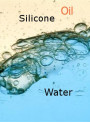
SiliSolve Plus™

MSH White Absorb™
Mild Preserved Eco™ (Preservative-Free)
Deoxyarbutin (D-Arbutin)