Cosmetic Ingredient Analysis and Function
Asked by: tawan.songkakun
On: January 17, 2025
Product Type:
Cosmetics
Answered
Question
Could you please analyze this list of cosmetic ingredients and explain the function of each component?
Answer
Cosmetic Ingredient Analysis
The list of ingredients you provided contains a variety of components commonly found in cosmetic formulations, each serving a specific purpose. Based on the available information, here is a breakdown of some of these ingredients and their functions:
Cleansing and Texture Agents
- Kaolin: A natural mineral clay that helps absorb oil and provides coverage, often used in masks or powders.
- Modified Starches (Corn Starch Modified, Pre-Gelatinized Starch, Waxy Corn Starch, Acetylated Potato Starch): These ingredients are used as thickeners or gelling agents to modify the texture of formulations.
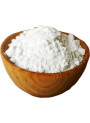
- Sodium Bicarbonate: Used to adjust the pH in highly acidic formulas or as a neutralizer.
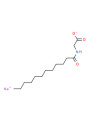
- Gentle Surfactants (IseFoam™ - Sodium Lauroyl Methyl Isethionate, Sodium Lauroyl Glycinate): These are mild cleansing agents that produce good foam.
Exfoliating Enzymes
- Papain Enzymes (Papaya Enzyme - Papain, Linked Papain, HyaCap™ Papain 16K): Enzymes derived from papaya that gently exfoliate the skin by breaking down proteins. They are effective at a neutral pH.
- Protease Enzymes (Protease Enzyme, Stabilized protease enzyme, Bio-S Protease™): Enzymes that hydrolyze proteins, aiding in skin exfoliation.
Soothing and Skin Barrier Support Agents
- Allantoin: Helps reduce irritation and supports the regeneration of new tissue.
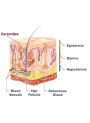
- Ceramides (Ceramide 3 - Ceramide NP, Ceracare™ NP50): Key components of the skin barrier, essential for moisture retention. They are beneficial for sensitive, dry, or aging skin.
Brightening and Antioxidant Agents
- Vitamin C (L-ascorbic acid): Available in various grades, it acts as an antioxidant, brightens the skin, and helps reduce wrinkles.
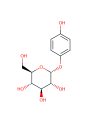
- Alpha Arbutin: Helps brighten the skin by reducing melanin production. It is known for its effectiveness and safety compared to hydroquinone.
Other Ingredients
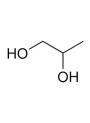
- Caprylyl Glycol: Often used as a preservative booster and solvent.
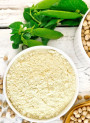
- Hydrolyzed Proteins (Hydrolyzed Silk Protein, Hydrolyzed Pea Protein): Proteins that have been broken down to be better absorbed, providing conditioning and nourishment for skin and hair.
- MYFerment™ Rice Berry: An extract from fermented rice berry with antioxidant properties.
- Citric Acid: Used to lower the pH of cosmetic formulations.
This list represents a combination of ingredients that could be found in various cosmetic products, potentially including cleansers, exfoliants, serums, or creams, designed to address concerns like cleansing, exfoliation, hydration, barrier repair, and skin brightening.
Related Products Mentioned
Alpha Arbutin (Switzerland)
Cosmetics

Allantoin
Cosmetics
Vitamin C (L-ascorbic acid) (Ultra-Fine)
Cosmetics
Vitamin C (L-ascorbic acid) (Fine)
Cosmetics
Sodium Bicarbonate
Cosmetics
Caprylyl Glycol (1,2-Octanediol)
Cosmetics
Vitamin C (L-ascorbic acid) (Standard)
Cosmetics
Protease Enzyme
Cosmetics

Papaya Enzyme (Papain)
Cosmetics
Alpha Arbutin (China, Crystal Form)
Cosmetics

Linked Papain (e.q. X-PRESSIN C)
Cosmetics
Hydrolyzed Pea Protein (High-Peptide)
Cosmetics
Sodium Lauroyl Glycinate
Cosmetics
Citric Acid (Anhydrous, Natural)
Cosmetics
Kaolin (400nm High Whiteness)
Cosmetics
Kaolin (China Clay, 300nm)
Cosmetics