Cosmetic Ingredient Functions
Asked by: chinshin9195
On: July 03, 2019
Product Type:
Cosmetics
Answered
Question
Can you please explain the function of the following ingredients in a cosmetic formulation?
- Water
- Buthylene Glycol
- Glycerin
- Cyclopentasiloxane
- phenyl Dimethicone
- titanium dioxide
- acrylates copolymer
- Isononyl Isononanoate
- linoleamidopropyl pg-dimonium chloride phosphate
- Dimethicone
- Trimethylsiloxysilicate
- vinyl Dimethicone/methicone silsesquioxane crosspolymer
- sodium acrylate/sodium acryloyldimethyl taurate Triethanolamine
- c10-30 alkyl acrylate
- Polyquaternium-51
Answer
Cosmetic Ingredient Functions
Here is a breakdown of the likely functions of the ingredients in the list provided:
- Water: Acts as the primary solvent, dissolving many other ingredients.
- Butylene Glycol: Functions as a humectant (attracts water to the skin), solvent, and can improve the texture and spreadability of the product.
- Glycerin: A widely used humectant that draws moisture into the skin, also acts as a solvent and emollient, helping to make the product soft and smooth.
- Cyclopentasiloxane: A lightweight, volatile silicone that provides a smooth, silky feel and helps deliver other ingredients to the skin. It evaporates quickly and is often used in products needing a non-greasy feel.
- Phenyl Dimethicone: A type of silicone that provides conditioning and a smooth feel.
- Titanium Dioxide: A mineral UV filter providing broad-spectrum protection. It also functions as a white pigment.
- Acrylates Copolymer: Often used as a film former, thickener, or suspending agent in cosmetic formulations.
- Isononyl Isononanoate (LipidSoft Lite): A light emollient that provides softness and smoothness without a heavy or greasy feel. It is often used as a silicone alternative and does not clog pores.
- Linoleamidopropyl PG-Dimonium Chloride Phosphate: Typically functions as a conditioning agent and surfactant.
- Dimethicone: A non-volatile silicone oil that provides a smooth, slippery feel (slip skin feel) and forms a protective barrier on the skin or hair. It is used in various skin and hair care products.
- Trimethylsiloxysilicate (Silicone Film): A film-forming silicone resin that provides durability and long-wear properties, commonly used in makeup like foundations to help them stay in place.
- Vinyl Dimethicone/Methicone Silsesquioxane Crosspolymer: A silicone elastomer that provides a powdery or matte feel, helps absorb oil, and can improve the texture of formulations.
- Sodium Acrylate/Sodium Acryloyldimethyl Taurate Copolymer: A synthetic polymer used as a thickener, emulsifier, and stabilizer in cosmetic formulations.
- Triethanolamine: Used primarily as a pH adjuster to increase the alkalinity of a formulation. High purity grades are available for cosmetic use.
- C10-30 Alkyl Acrylate Crosspolymer: A thickening agent and stabilizer commonly used in gel and cream formulations.
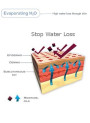
- Polyquaternium-51 (WaterLock): Acts as a highly effective humectant and film-former that mimics skin lipids. It helps prevent water loss from the skin, provides a slippery feel, and can reduce irritation from surfactants.
Related Products Mentioned
Triethanolamine 99%
Cosmetics
Glycerin (USP/Food Grade)
Cosmetics
Dimethicone (Medium/350, Low-Odor)
Cosmetics
WaterLock™ (Polyquaternium-51)
Cosmetics