Cosmetic Ingredient Functions and Properties
Question
What are the functions and properties of the provided cosmetic ingredients in formulations?
Answer
Cosmetic Ingredient Information
Based on the provided list, here is a breakdown of the functions and properties of each ingredient in cosmetic formulations:
- Water/Aqua: Purified water is used as a base or solvent in cosmetic formulations.
- Propanediol: 1,3-Propanediol is a natural solvent derived from glucose fermentation. It can be used as a replacement for Propylene Glycol and Glycerin, acting as a humectant to retain moisture, a solvent, and a preservative booster. It provides a good skin feel.
- Glycerin: Glycerin is a humectant that attracts and retains moisture in the skin. It also acts as a solvent and emollient, helping to make cosmetic products soft and smooth.
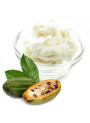
- Theobroma Cacao (Cocoa) Seed Butter: The search results provided information for Cocoa Extract, which is described as a scent extract primarily for marketing purposes with no tested effectiveness on the skin. Information specifically on Cocoa Seed Butter was not found in the product descriptions.
- Cetearyl Alcohol: Cetearyl Alcohol is used as a thickener or viscosity increasing agent in creams and lotions. It is a combination of Cetyl Alcohol and Stearyl Alcohol and acts as an occlusive emollient to help reduce water loss from the skin.
- Niacinamide: Also known as Vitamin B3, Niacinamide helps reduce wrinkles, redness, and hyperpigmentation. It stimulates collagen and ceramide production, strengthens the skin barrier, and can help reduce oiliness.
- Cocoglycerides: Hydrogenated Coco-Glycerides, derived from coconut oil and glycerin, are used as emollients to moisturize and soften the skin. They also help improve the texture of the final product.
- Squalane: Squalane from Olive is a high-quality emollient that moisturizes the skin, helps fight dryness, and improves flexibility. It is similar to skin's natural sebum and is quickly absorbed.
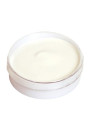
- Hydrogenated Vegetable Oil: The search results provided information for Vegetable Vaseline (Olus Oil), which is a mixture of natural triglycerides with a creamy texture similar to Vaseline. It is used as an emollient.
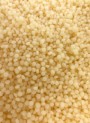
- Polyglyceryl-10 Distearate: This ingredient is used as a water-in-oil emulsifier, commonly found in make-up formulas to bind water and oil phases.
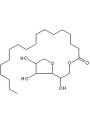
- Sorbitan Stearate: Commonly known as Span 60, Sorbitan Stearate is used as a water-in-oil emulsifier.
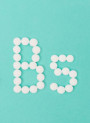
- Panthenol: Pantolactone (PreB5™) is a precursor to Vitamin B5 (Panthenol). It is a highly effective moisturizer that helps strengthen the skin's moisture barrier.
- Glyceryl Stearate: Glyceryl Stearate SE (Self-Emulsifying type) is used as a thickener to increase viscosity and create a creamy texture, often used with Cetyl Alcohol. It can be used in oil-free and emulsifier-free formulations.
- 1,2-Hexanediol: This ingredient acts as a solvent, humectant (helps retain water), and preservative booster. It can help carry ingredients into the skin and reduce the particle size of emulsions.
- Stearic Acid: Stearic Acid is a fatty acid commonly used as a thickener and emulsifier in skin creams and lotions.
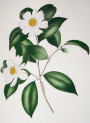
- Camellia Oleifera Seed Oil: Tea (Camellia oleifera) Seed Oil is a medium-weight oil rich in Oleic Acid (Omega 9) that nourishes the skin and is easily absorbed.
- Caprylyl Methicone: This silicone-based ingredient provides a soft, smooth, and light skin feel. It helps reduce stickiness, improves blending, and can act as an SPF booster and color powder dispersant.
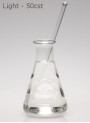
- Dimethicone: Dimethicone is a silicone fluid that helps coat the skin, providing a soft and smooth feel without stickiness. Different viscosities are available; a light type (50 cSt) is described as non-volatile and odorless.
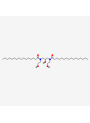
- Myristoyl/Palmitoyl Oxostearamide/Arachamide Mea: Pseudo-Ceramide 104 (Hydroxypropyl Bispalmitamide MEA) is a developed ceramide with a low melting point, used to strengthen the skin barrier and improve skin elasticity.
- ascorbic acid: L-ascorbic acid is a form of Vitamin C used for skin brightening, reducing wrinkles, stimulating collagen, and as an antioxidant. It is water-soluble but has low stability and requires careful formulation regarding pH and temperature.
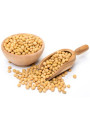
- Phytosterols: Phytosterols (Plant Sterols) help restore skin structure and the skin barrier, increase skin elasticity, and stimulate natural collagen and hyaluronic acid production.
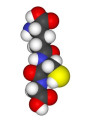
- Glutathione: L-Glutathione Reduced is a high-purity antioxidant that can also act as a skin whitening agent through its antioxidant process. It is water-soluble but sensitive to heat and pH.
- Allantoin: Allantoin is used to reduce irritation and skin allergies (soothing and anti-irritating). It also helps strengthen the creation of new tissue and can be used in hair and scalp products to reduce dandruff and repair damage.
- Methyl Caprooyl Tyrosinate: Information for this ingredient was not found in the product descriptions.
- Arginine: L-Arginine is an amino acid that can be used to adjust the pH in formulations due to its high alkalinity.
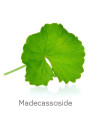
- Madecassoside: Madecassoside is a high-concentration component extracted from Centella Asiatica. It stimulates collagen production (Type I and III), reduces wrinkles, tightens skin, helps with scars and redness, and reduces skin inflammation caused by UV light.
- Zinc Gluconate: Zinc Gluconate provides mineral zinc, effective in reducing skin oiliness and tightening pores. It is an electrolyte.
- Tocopheryl Acetate: Vitamin E Acetate is a stable form of Vitamin E commonly used in cosmetics. It acts as an antioxidant to protect against free radicals and can help protect other ingredients from deterioration.
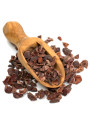
- HydroxyethylCellulose: Hydroxyethyl Cellulose (HEC) is a non-ionic viscosity increasing agent used to create gel textures, especially in formulas containing electrolytes.
- Acetyl Dipeptide-1 Cetyl Ester: This peptide is part of a blend (Pep®-CalmMax) used for skin calming purposes. It helps reduce inflammation, irritation, and discomfort and supports skin barrier function.
- Albatrellus Confluens (Mushroom) Extract: Schizophyllan, extracted from mushroom mycelia, is a beta glucan that provides moisturizing, anti-wrinkle, anti-inflammatory, and skin immune-boosting effects.
- Xanthan Gum: Xanthan Gum is an anionic viscosity increasing agent used to thicken gels, serums, creams, and lotions. It creates a clear gel texture.
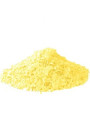
- Euphorbia Cerifera (Candelilla) Wax: Candelilla Wax is a plant-derived wax used in lip products and hair styling wax. It adds hardness and shine to formulations.
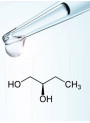
- Butylene Glycol: Butylene Glycol is a solvent used as a gentler alternative to Propylene Glycol. It can be mixed in serums, lotions, or creams.
- Colloidal Gold: Nano Colloidal Gold (Nano Gold) is used as a nanocarrier to enhance the delivery of active ingredients into the skin. It also has sterilization properties and can be used in acne treatment products.
- Sorbitol: Sorbitol Solution 70% is a cosmetic grade humectant that helps retain and attract moisture.
- Disodium EDTA: Disodium EDTA is a water cationizer that prevents metal ions from interfering with ingredients and helps stabilize the formula.
- Cetyl Phosphate: Potassium Cetyl Phosphate is a highly effective emulsifier used in creams, lotions, and sunscreens to increase formula stability and bind water and oil.
- Olea Europaea (Olive) Fruit Oil: Olive Oil (Extra Virgin) is effective in rejuvenating the skin, provides UVB protection, and contains antioxidants and fatty acids. It is used to moisturize skin and condition hair.
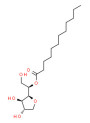
- Sorbitan Laurate: Commonly known as Span 20, Sorbitan Laurate is used as a water-in-oil emulsifier.
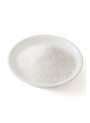
- Citric Acid: Citric Acid is used to lower the pH in cosmetic formulations. It is produced from natural processes.
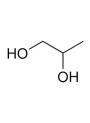
- Caprylyl Clycol: Caprylyl Glycol (1,2-Octanediol) is commonly used as a preservative booster and solvent. It is derived from coconuts.
Updated Review: May 2026
This section was added after reviewing the original answer against current product availability and formulation knowledge at the stated point in time.
Update as of 2026-05-24
The previous ingredient-function explanation is still useful as a general INCI review, but a few points should be clarified:
- Theobroma Cacao (Cocoa) Seed Butter should be treated as cocoa butter / lipid-phase emollient material. It is not the same material as Cocoa Extract or Theobroma Cacao Fruit Powder.
- For Panthenol, use direct Panthenol information where available. PreB5 / Pantolactone is a related precursor-type material, but it is not the same INCI as Panthenol.
- Methyl Caprooyl Tyrosinate could not be clearly matched in the current catalog context, so it should only be described from its INCI/common cosmetic function unless a supplier specification is available. Do not substitute Acetyl-Tyrosine or another tyrosine derivative as a confirmed match.
- Colloidal Gold may be described as a cosmetic skin-conditioning or delivery-support/nanocarrier-style material when supported by supplier data, but avoid claims such as sterilizing, treating acne, curing inflammation, or antimicrobial medical activity unless proven in the finished product and allowed by regulation.
- This formula appears to be a rich barrier-style emulsion: humectants help bind water; oils, butters, waxes, fatty alcohols, and silicones support emolliency/occlusion; emulsifiers stabilize the oil-water system; gums/cellulose control viscosity; and soothing, antioxidant, chelating, solvent, and skin-conditioning ingredients add functional and marketing support.
- The listed functions are ingredient-level functions only. They do not prove finished-product whitening, anti-acne, anti-inflammatory, UV-protection, wrinkle-reduction, collagen-stimulation, or barrier-repair efficacy without appropriate dosage, pH, stability, compatibility, preservative challenge, and efficacy testing. 1,2-Hexanediol and Caprylyl Glycol can support preservation as boosters/solvents/humectants, but the finished product still needs a validated preservation system and microbial challenge test. Disodium EDTA helps chelate metal ions and can support stability in water-containing formulas.
References: Bissett DL et al., Dermatologic Surgery, 2005;31(7 Pt 2):860-865. Ebner F et al., American Journal of Clinical Dermatology, 2002;3(6):427-433. Sutton SVW & Porter D., PDA Journal of Pharmaceutical Science and Technology, 2002;56(6):300-311. Barel AO, Paye M, Maibach HI, Handbook of Cosmetic Science and Technology, 4th ed., CRC Press, 2014.
Related Products Mentioned
Vitamin E (Tocopheryl Acetate)
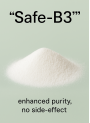
Safe-B3™ (Vitamin B3, Niacinamide)
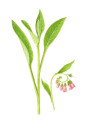
Allantoin
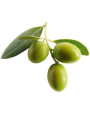
Olive Oil (Extra Virgin)
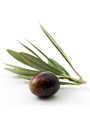
Squalane (Olive)
Glycerin (USP/Food Grade)
Disodium EDTA
Butylene Glycol
Cetearyl Alcohol (50/50, e.q. Lanette O)
Dimethicone (Light/50, Low-Odor)
Caprylyl Glycol (1,2-Octanediol)
Sorbitol Solution 70%
Purified Water, TDS Limit 1PPM)
Vitamin C (L-ascorbic acid) (Standard)
Caprylyl Methicone
Pure-Phytosterols™
Vegetable Vaseline (Olus Oil)
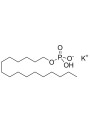
Potassium Cetyl Phosphate
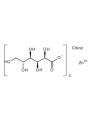
Zinc Gluconate
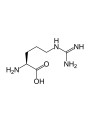
L-Arginine
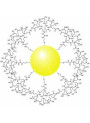
Hydroxyethyl Cellulose (HEC) (2800mPa.s)
Sorbitan Stearate (eq. Span 60)
Sorbitan Laurate (Span 20)
Candelilla Wax (Refined, Melting 72.5C)
Polyglyceryl-10 Distearate
Citric Acid (Anhydrous, Natural)
PreB5™ (Pantolactone, Pantoyl Lactone)
Glutathione (L-Glutathione Reduced)