Cream Formulation for Melasma, Freckles, and Wrinkles on Combination Skin
Question
I have developed a cream formulation for combination skin with melasma, freckles, and wrinkles (no acne). Please review the formula and provide feedback. Also, I am deciding between using Adenosine Complex or Repair Activator; which one would be more suitable for this formula and skin type?
My current formula draft includes:
- Vitamin B3
- GlucoBright
- Tranexamic Acid
- White Cumin (Tetrahydrodiferuloylmethane) 5%
- Syn-Coll
- Q10 (Coenzyme Q10) 5% (water-soluble version)
- Adenosine Complex
- Vitamin B5 (Panthenol) 5%
- Allantoin
- Betaine
- Calendula Extract
- Double Hyaluron Liquid
- Natto Gum
- MSH White (Undecylenoyl phenylalanine)
- Ethoxydiglycol 10%
- Light Cream Maker
Is this formulation suitable for combination skin? Should I adjust the concentrations or remove any ingredients? Which ingredient, Adenosine Complex or Repair Activator, is better for targeting wrinkles and melasma in this type of formula, or can both be used?
Answer
Cream Formulation for Melasma, Freckles, and Wrinkles on Combination Skin
You've provided a formula for a cream targeting melasma, freckles, and wrinkles on combination skin. Here's an evaluation of the formula and some suggestions based on your skin type and the properties of the ingredients.
Your original formula includes several ingredients beneficial for whitening and anti-aging, such as Vitamin B3, GlucoBright, Tranexamic Acid, White Cumin, Syn-Coll, Q10, and Adenosine Complex. It also includes several moisturizing ingredients like Vitamin B5, Allantoin, Betaine, Calendula Extract, Double Hyaluron Liquid, and Natto Gum.
For combination skin, which tends to be oily in some areas, incorporating too many rich moisturizing ingredients might not be ideal as it could increase oiliness. The suggestion from the forum reply to reduce or remove some of the moisturizers is a good approach for your skin type.
Additionally, the concentration of some ingredients in your original formula seems higher than typically recommended for cosmetic use:
- White Cumin (Tetrahydrodiferuloylmethane): 5% is higher than the recommended 1-4% for WhiteCumin™ 2x.
- Vitamin B5 (Panthenol): 5% is on the higher side and could make the product feel sticky.
- Q10 (Coenzyme Q10): 5% is significantly higher than the recommended 0.1-1% for the water-soluble version.
- Ethoxydiglycol: 10% likely exceeds current regulatory limits for leave-on products (typically max 2.6%).
Here is a revised formula suggestion, taking into account your skin type, goals, and recommended ingredient usage rates:
Revised Formula Suggestion
This formula focuses on addressing melasma, freckles, and wrinkles while being suitable for combination skin by reducing excess moisturizers and adjusting ingredient concentrations.
Phase A (Water Phase)
- Water: Balance to 100%
- Safe-B3™ (Vitamin B3, Niacinamide): 5% (Increased for oil balance and whitening)
- GlucoBright™ (Acetyl Glucosamine): 4%
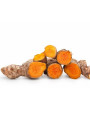
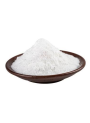
- Tranexamic Acid (Trans-White™): 3%
- WhiteCumin™ 2x (Tetrahydrodiferuloylmethane): 2.5% (Adjusted to recommended range)
- Pep®-Coll (Palmitoyl tripeptide-5): 3%
- ATP-Max™ (Stabilized ATP Solution, 20% Adenosine Triphosphate): 7.5% (Provides 1.5% Adenosine Triphosphate, adjust based on desired Adenosine concentration and product used)
- Phenoxyethanol (Extra Pure): 1%
Phase B (Solvent Phase for MSH White)
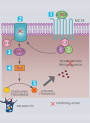
- MSH White™ (Undecylenoyl phenylalanine): 1%
- Ethoxydiglycol: 2.5% (Adjusted to comply with regulations)
Phase C (Emulsifier & Water-Soluble Actives)
- Light Cream Maker™: 2%
- Coenzyme Q10 (10%, Encapsulate Powder, Water-Soluble): 1% (Adjusted to recommended range)
Optional Additions for Enhanced Benefits (Consider adding if desired and budget allows):
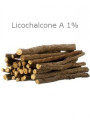
- Licorice Extract (Licochalcone A 1%, Water-Soluble): 1-3% (Anti-inflammatory, helps with oiliness)
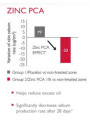
- Zinc PCA: 0.2-1% (Reduces oiliness, stimulates collagen, wound healing)
- Rice Vitamin (Inositol, Vitamin B8): 1-3% (Balances skin moisture)
- Repair Activator™ WS (Bifida Ferment Lysate, Water Base): 5-10% (Helps repair DNA damage, anti-aging)
Mixing Instructions
- Phase A: Combine water and all Phase A ingredients. Stir until fully dissolved.
- Phase B: Combine MSH White™ and Ethoxydiglycol. Heat gently (around 60-80°C) and stir until MSH White™ is completely dissolved. Let cool slightly.
- Phase C: In a separate container, combine Light Cream Maker™ and Coenzyme Q10 (Water-Soluble). Mix well.
- Slowly add Phase B to Phase A while stirring.
- Slowly add Phase C to the combined A+B phase while stirring continuously until a cream forms. For best results with Light Cream Maker™, use a homogenizer or mix vigorously for a few minutes. Avoid high-speed mixing (above 2500 rpm).
- If adding optional water-soluble ingredients (Licorice Extract, Zinc PCA, Rice Vitamin, Repair Activator), add them now and stir until incorporated.
- Check the pH and adjust if necessary (optimum pH for most ingredients is 4-7).
Adenosine Complex vs. Repair Activator
You asked whether to use Adenosine Complex or Repair Activator. Both are excellent anti-aging ingredients that target wrinkles:
- Adenosine Triphosphate (ATP): Provides energy to skin cells, promoting repair and reducing wrinkles. ATP-Max™ is a stabilized liquid form that is easy to use.
- Repair Activator (Bifida Ferment Lysate): Helps the skin repair DNA damage caused by UV exposure, contributing to anti-aging effects.
You can choose one based on your preference or budget, or you can use both in your formula for comprehensive anti-aging benefits, as suggested in the forum reply. If using both, ensure the total concentration of active ingredients remains appropriate and the formula remains stable. In the revised formula above, I included ATP-Max™ as an example. If you choose to use Repair Activator instead or in addition, add it in step 6.
This revised formula provides potent active ingredients for whitening and wrinkle reduction while being mindful of the needs of combination skin. Remember to perform a stability test on your final product.
Related Products Mentioned
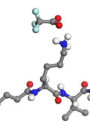
Pep®-Coll (Palmitoyl tripeptide-5)
Safe-B3™ (Vitamin B3, Niacinamide)
GlucoBright™ (Acetyl Glucosamine)
Ethoxydiglycol (e.q. Transcutol)
Light Cream Maker™
Phenoxyethanol (Extra Pure)
Zinc PCA
Rice Vitamin (Inositol, Vitamin B8)
MSH White™ (Undecylenoyl phenylalanine)
Tranexamic Acid (Trans-White™)