Difference between two food-grade propolis products

Asked by: Anonymous On: May 25, 2026 Product Type: Food Answered

Question

There are 2 propolis food grade products on the website: Bee Propolis Extract (10% Flavonoids) and Bee Propolis Extract (5% Flavonoids, Water Soluble). How are they different?

Answer

The two food-grade propolis items mainly differ in flavonoid strength and water solubility.

Item Main difference Best-fit use
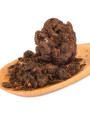
Bee Propolis Extract (10% Flavonoids) Higher flavonoid standardization; catalog notes it is not water soluble Capsules, tablets, powder blends, instant powder where suspended/dispersed powder is acceptable, or formulas where opacity/sediment can be managed
Bee Propolis Extract (5% Flavonoids, Water Soluble) Lower flavonoid standardization, but easier to incorporate into water-based systems Drinks, syrups, jellies, gummies, or water-based products where easy water compatibility is more important

How to choose

  • If the priority is higher active/flavonoid concentration, choose Bee Propolis Extract (10% Flavonoids).
  • If the priority is easy use in a water-based formula, choose Bee Propolis Extract (5% Flavonoids, Water Soluble).

For the 10% grade, “not water soluble” does not always mean it cannot be used in a water-containing product. It means it should be designed as a dispersion/suspension, not a truly clear dissolved solution. If used in a liquid product, pre-wet/disperse the powder before adding to the main batch, then test sedimentation, mouthfeel, uniformity, and appearance during stability/shelf-life testing.

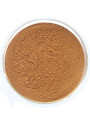
For Bee Propolis Extract (10% Flavonoids), the available catalog specs are: brown powder, use level 0.10–2.00%, recommended pH 3.50–6.50, and storage at room temperature away from air and light.

For food/supplement products, also check bee-product/pollen allergy warnings and the labeling/claim regulations of the country where the product will be sold. Avoid disease-treatment or prevention claims unless the finished product has the required substantiation and regulatory approval.

Relevant References

Sources supporting the key technical claims in this answer

Chemical diversity of propolis and the problem of standardization
Bankova V. Journal of Ethnopharmacology 2005

General context that propolis materials vary naturally and standardization is important when comparing grades.

Bankova V. Chemical diversity of propolis and the problem of standardization. Journal of Ethnopharmacology. 2005.