Dipotassium Glycyrrhizate and Glycyrrhetinic Acid for Irritation Reduction: Usage and Formulation
Question
Regarding Dipotassium Glycyrrhizate and Glycyrrhetinic Acid:
The description states that Dipotassium Glycyrrhizate should be used with Stearyl Glycyrrhetinate or Glycyrrhetinic Acid. However, I've read on this forum that choosing just one (Dipotassium Glycyrrhizate or Glycyrrhetinic Acid) is sufficient. What is the final opinion of the staff regarding Dipotassium Glycyrrhizate and Glycyrrhetinic Acid as ingredients for reducing irritation and redness? Should they be used together, or is one sufficient?
If it is recommended to use only one, is the effectiveness of Glycyrrhetinic Acid (3%) in reducing irritation superior to Dipotassium Glycyrrhizate (2%)?
If Glycyrrhetinic Acid is dissolved in Ethoxydiglycol or Butylene Glycol, what is the minimum ratio of solvent required? For example, for 1% or 2% Glycyrrhetinic Acid, what percentage of Ethoxydiglycol or Butylene Glycol is needed?
Does Glycyrrhetinic Acid need to be dissolved completely clear in Glycol before adding to the water phase, or is just partial dissolution sufficient, similar to SymWhite?
If complete dissolution until clear is required, can this be done by continuous manual stirring without heat, or by using a microwave, heating for 5-10 seconds at a time and stirring repeatedly until completely dissolved?
Answer
Dipotassium Glycyrrhizate vs Glycyrrhetinic Acid for Irritation Reduction
Based on the product descriptions, here is information regarding Dipotassium Glycyrrhizate and Glycyrrhetinic Acid:
Combining Dipotassium Glycyrrhizate and Glycyrrhetinic Acid:
The product descriptions for both Dipotassium Glycyrrhizate and Glycyrrhetinic Acid recommend using them together for reducing irritation. Dipotassium Glycyrrhizate is described as something that should be used with Glycyrrhetinic Acid (or Stearyl Glycyrrhetinate), and Glycyrrhetinic Acid is described as something that should be used together with Dipotassium Glycyrrhizate. This suggests that combining them is the recommended approach for optimal anti-irritation benefits, potentially due to different properties or mechanisms of action (Dipotassium Glycyrrhizate is water-soluble, while Glycyrrhetinic Acid and Stearyl Glycyrrhetinate are oil-soluble).Comparative Efficacy at Specific Concentrations:
Both ingredients are effective anti-irritants. The descriptions provide recommended usage rates: Dipotassium Glycyrrhizate at 0.1-2.0% (recommended 0.5-1.0%) and Glycyrrhetinic Acid at 0.1-3% (recommended 1%). While Glycyrrhetinic Acid has a higher maximum recommended usage rate, the descriptions do not provide a direct comparison of their efficacy at specific concentrations like 3% Glycycyrrhetinic Acid versus 2% Dipotassium Glycyrrhizate. The recommendation is to use them in combination.Minimum Solvent Ratio for Glycyrrhetinic Acid:
The description for Glycyrrhetinic Acid states it can be dissolved in glycols such as Ethoxydiglycol and Butylene Glycol using heat (60-70°C). However, the description does not specify the minimum ratio of solvent required for dissolving Glycyrrhetinic Acid at concentrations like 1% or 2%. This ratio would typically be determined through formulation testing.Dissolution of Glycyrrhetinic Acid vs. SymWhite:
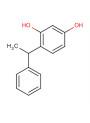
For Glycyrrhetinic Acid, the recommended method is to mix it in glycol and dissolve it using heat (60-70°C) before adding it to the main formula. This implies achieving complete dissolution in the glycol phase first. In contrast, Phenylethyl Resorcinol (SymWhite) is described as being added in the final step into a cream formula that includes oil, and heat (not exceeding 50°C) can be used to help it melt into the cream faster. The methods described are different.Dissolution Method for Glycyrrhetinic Acid:
The description for Glycyrrhetinic Acid explicitly states that heat (60-70°C) is needed to help it dissolve in glycols. Therefore, stirring at room temperature would not be sufficient. While a microwave could provide heat, controlled heating methods like a water bath are generally preferred in formulation to ensure even heating within the recommended temperature range (60-70°C) for proper dissolution without potentially damaging the ingredient.
Related Products Mentioned
Ethoxydiglycol (e.q. Transcutol)
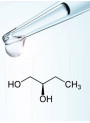
Butylene Glycol
Glycyrrhetinic acid (Enoxolone)