DIY Skin Gel Formulation with Vitamin C and Glycolic Acid: Feasibility, Facial Use, and Turmeric Alternative
Question
I want to make a skin gel for personal use. Based on reading gel formulation threads, I understand the following:
- Pro Polymer 5%
- Cyclomethicone (not sure how much % to add)
- L-ascorbic (fine) 15%
- Glycolic acid 3%
- Disodium EDTA 0.2%
- Water 75%
Is this formula possible?
Can this formula be used on the face?
If I want to make a Turmeric gel for facial skin, can I remove components 2, 3, 4, and 5?
This skin formula is for nighttime use. Can I add Glycolic acid again?
Thank you, staff. ^ ^
Answer
Analysis of Your Proposed Gel Formulation
Let's break down your proposed gel formula and your questions about it.
Proposed Formula Feasibility
Your initial formula includes Pro Polymer (5%), Cyclomethicone, L-ascorbic acid (15%), Glycolic acid (3%), Disodium EDTA (0.2%), and Water (75%).
- Pro Polymer: Using Pro Polymer at 5% is a high concentration. According to the product description, this can result in a very thick, almost pudding-like gel texture. You may want to consider a lower percentage (e.g., 0.8% for a general gel texture) depending on your desired consistency.
- Cyclomethicone: Cyclomethicone is a silicone that is not soluble in water. Pro Polymer creates a water-based gel. Therefore, Cyclomethicone cannot be properly incorporated into this type of gel formula and would likely separate. It is not compatible with a water-based gel system thickened with Pro Polymer.
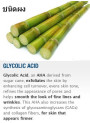
- L-ascorbic acid (Vitamin C) and Glycolic acid: Both L-ascorbic acid (15%) and Glycolic acid (3%) are potent active ingredients. L-ascorbic acid requires a low pH (ideally 2.0-4.0, with FDA requiring >= 3.5 for leave-on products) for stability and effectiveness. Glycolic acid also requires a low pH (<= 4.0, ideally 2.5-3.5) for optimal exfoliation. Combining these two acids at these concentrations will result in a very low pH formula. While possible, achieving a stable formula with both actives at effective concentrations and a pH that is not overly irritating (ideally >= 3.5) requires careful formulation and pH adjustment. The high concentration of L-ascorbic acid (15%) is suitable for whitening, and 3% Glycolic acid is within the general cosmetic use limit.
- Disodium EDTA: Including Disodium EDTA at 0.2% is appropriate and recommended, especially when using L-ascorbic acid in water, as it helps chelate metal ions and improve stability.
Overall Feasibility: The main issue with your initial proposed formula is the inclusion of Cyclomethicone, which is not compatible with a water-based gel. The combination of high concentration L-ascorbic acid and Glycolic acid is potent and requires careful pH management for stability and to minimize irritation.
Usage on the Face
While L-ascorbic acid and Glycolic acid are beneficial for facial skin, the proposed formula is quite potent due to the high concentration of L-ascorbic acid (15%) and the presence of Glycolic acid (3%). Formulas with low pH and high concentrations of actives can cause significant irritation, redness, and peeling, especially on sensitive facial skin. If you choose to proceed, it is highly recommended to perform a patch test on a small area of skin before applying it to your entire face. Using this formula might be too strong for daily facial use, particularly if your skin is not accustomed to potent actives.
Turmeric Gel Formulation
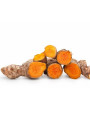
Creating a turmeric gel formulation by removing Cyclomethicone, L-ascorbic acid, Glycolic acid, and Disodium EDTA from your list and adding turmeric extract is feasible. WhiteCumin™ 2x (Turmeric Extract) is a water-soluble liquid extract that can be easily incorporated into a water-based gel thickened with Pro Polymer. You would need to adjust the percentage of Pro Polymer to achieve your desired gel consistency with the inclusion of the turmeric extract (recommended usage rate for WhiteCumin™ 2x is 1-4%). Including Disodium EDTA (0.1-0.2%) in this formula is also advisable for general stability of the water phase.
Glycolic Acid in Nighttime Formula
Yes, Glycolic acid is commonly used in nighttime skincare products. Its exfoliating action can make the skin more sensitive to UV radiation, so applying it at night is recommended. Your proposed 3% concentration is within the typical range for cosmetic use. Ensure the final formula's pH is appropriate (ideally between 3.5 and 4.0) for both effectiveness and safety when using Glycolic acid.
In summary, your initial formula needs adjustment regarding Cyclomethicone compatibility. The high active concentrations mean it should be used with caution on the face. A turmeric gel is feasible. Glycolic acid is suitable for nighttime use.
Related Products Mentioned
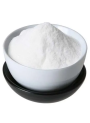
Vitamin C (L-ascorbic acid) (Fine)
Disodium EDTA
Pro Polymer™ (Gel Maker)