Effect of Powder Cream and Refrigeration on Serum Effectiveness and Stability
Question
When formulating a serum, if Powder cream is used at a high concentration (e.g., 5.6% or higher, as discussed), does this reduce the effectiveness of the product, or does it only affect the texture?
Also, is it necessary to refrigerate the finished serum containing anti-aging ingredients and peptides to prevent them from degrading?
Answer
Hello!
It's great to hear about your successful formulation attempt and that you enjoy making your own skincare products!
Regarding the initial issue, while the staff correctly pointed out that high electrolyte levels (like from DMAE) can interfere with thickeners like Pro Polymer, the clumping you experienced before adding the thickener was likely due to the interaction of some of the highly concentrated active ingredients, particularly DMAE and potentially Sodium Silicate, with other components in the mixture when added early in the process. These interactions can sometimes cause precipitation or gelling of certain ingredients before the main thickener is incorporated.
Your modified procedure, where you added sensitive ingredients like Argireline, Repair Activator, and DMAE in the final step after the gel cream had formed, was an excellent approach to avoid this issue. Removing Sodium Silicate was also a good decision, as the staff mentioned it's generally not suitable for this type of comprehensive serum formula.
You asked about Powder cream and refrigeration:
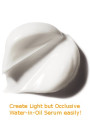
- Powder cream: As the staff explained, using Powder cream at higher concentrations (like the 5.6% in your successful formula, though the staff mentioned >10% specifically) might slow down the absorption rate into the skin, but the effectiveness of the active ingredients once absorbed should not be reduced. It primarily affects the texture and feel of the product.
- Refrigeration: The staff recommended refrigerating the finished product if convenient. While not strictly necessary if stored properly, keeping it cool can help maintain the stability and potency of some sensitive active ingredients, especially peptides and ferments, over a longer period. Most importantly, always store the product away from direct sunlight and heat, as these are major factors in ingredient degradation.
Additional Recommendations:
- Concentration of Actives: The staff suggested reducing the concentration of DMAE and Repair Activator from 10% to 5% to potentially reduce stickiness. While you found the texture "okay" in your successful attempt, keep this in mind if you find the serum too sticky or heavy upon regular use. High concentrations don't always mean better results and can sometimes lead to irritation or poor texture.
- Mixing Order is Key: Your experience highlights the importance of the mixing order, especially when dealing with ingredients that can interact (like electrolytes with certain polymers or other sensitive actives). Always ensure ingredients are fully dissolved or dispersed in the appropriate phase before combining phases or adding potentially reactive components.
- Patch Testing: With a formula containing multiple high-concentration active ingredients, it's always wise to perform a patch test on a small area of skin before applying it to the entire face, especially for your mother's skin. This helps check for any potential irritation or allergic reactions.
Keep up the great work and enjoy your formulating journey!
Related Products Mentioned
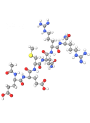
Acetyl Hexapeptide-8 (eq Argireline)
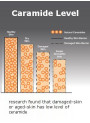
Ceramide Complex (CeraTouch™, Cream)
Safe-B3™ (Vitamin B3, Niacinamide)

Allantoin
GlucoBright™ (Acetyl Glucosamine)
Phenoxyethanol (Extra Pure)
Disodium EDTA
Pro Polymer™ (Gel Maker)
PowderCream™ (Water Absorbing PMMA)

DMAE (SkinTight MD™) Liquid
Silky Serum Base Plus (Face/Eye, Oil)

Purified Water, TDS Limit 1PPM)

PE-1 Aqua
