Face Cream Formulation: Anti-Aging, Whitening, Ingredient Compatibility & pH
Question
Hello, I would like to ask for consultation regarding formulating a face cream (1 formula) with the goal of reducing wrinkles and brightening the skin, intended for storage and use for about 2 years. I am interested in the following ingredients:
Anti-aging group:
- ActiveRelease Retinal™
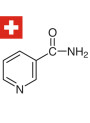
- Safe-B3™ (Vitamin B3, Niacinamide)
- GlucoBright™ (Acetyl glucosamine)
- Madecassoside-80 (Centella Asiatica Extract)
Whitening group:
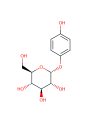
- Alpha Arbutin (Switzerland grade and China grade)
I have the following questions:
- Some ingredients specify a required pH range for mixing. Where can I find the pre-mixing pH value for each ingredient?
- Could you please advise if these ingredients should be used together or if any should be substituted, to ensure their properties are synergistic and cost-effective for the desired results?
- Can these ingredients be mixed manually by stirring (without a mixing machine)?
- I cannot find RETINAT™ (Starfish Extract) in the system. Is it still available?
Answer
Formulation Advice for Anti-Aging and Whitening Cream
Here is the information regarding your questions about formulating a face cream for reducing wrinkles and brightening skin:
1. Checking Ingredient pH Requirements
The recommended pH ranges for the stability and effectiveness of the ingredients you are interested in are found in their product descriptions:
- ActiveRelease Retinal™ (Retinal-EZ™): The description doesn't explicitly state a pH range for the final formula, but it is sensitive to light and heat. Retinoids generally perform well in slightly acidic to neutral pH (around 5.5-6.5), but the encapsulation in Retinal-EZ™ might offer some protection. Follow the mixing instructions carefully (mix into water directly, avoid heat).
- Safe-B3™ (Vitamin B3, Niacinamide): Optimum pH is in the range of 3-8, with best results at 4.0-7.0.
- GlucoBright™ (Acetyl Glucosamine): Should be in a formula with a pH in the range of 3-7. The powder itself has a pH of 6-7.
- Madecassoside-80 (Centella Asiatica Extract (Madecassoside 90%)): The formula should have a pH in the range of 4-6.5.
- Alpha Arbutin (Switzerland & China grades): The formula should have a pH between 3.5-6.5. Do not mix in formulations with a pH higher than 8 as Alpha Arbutin will break down into hydroquinone.
To combine these ingredients effectively, you should aim for a final formula pH in the range where all ingredients are stable and effective. A pH range of 4.0 - 6.5 appears suitable for most of these ingredients, with an ideal target around pH 5.5-6.0, which is also beneficial for skin.
2. Ingredient Compatibility and Selection
The ingredients you selected are generally compatible and can work together to achieve your goals of reducing wrinkles and brightening skin.
- Safe-B3™ (Niacinamide) and GlucoBright™ (Acetyl Glucosamine): These two ingredients have a well-known synergistic effect for whitening and reducing dark spots. Research shows they are more effective together than individually for pigmentation issues. Niacinamide also offers benefits for skin barrier, oil control, and anti-aging, while Acetyl Glucosamine helps with hydration and gentle exfoliation.
- ActiveRelease Retinal™ (Retinal-EZ™): Retinal is a powerful anti-aging ingredient known for reducing wrinkles. It is converted to Retinoic Acid in the skin. It's generally compatible with Niacinamide and Madecassoside.
- Madecassoside-80 (Centella Asiatica Extract): This ingredient is excellent for stimulating collagen, reducing inflammation, helping with acne scars/redness, and has some melanin-reducing properties, especially those caused by UV exposure. It complements the anti-aging effects of Retinal and the skin-soothing benefits that can be helpful when using actives like Retinal. The description notes it can be used with peptides for better results.
- Alpha Arbutin: This is a direct whitening agent that inhibits melanin production. It works differently than the Niacinamide/Acetyl Glucosamine combination but can be used alongside them for enhanced brightening effects.
Regarding Alpha Arbutin grades (Switzerland vs China): Both the Switzerland grade and the China grades (Powder and Crystal Form) are listed as Alpha Arbutin and effective for whitening. The Switzerland grade is made by the company that invented Alpha Arbutin and is considered the original, highest quality. The China grades are presented as cheaper alternatives using similar technology (Enzymatic Synthesis) or offered in Crystal Form to confirm purity. The choice between them depends on your budget and preference for the source and form. All should be effective if used correctly within the recommended pH range.
Recommendation: A combination of Safe-B3™ (Niacinamide), GlucoBright™ (Acetyl Glucosamine), ActiveRelease Retinal™ (Retinal-EZ™), and Madecassoside-80 could create a potent formula addressing both anti-aging (wrinkles, collagen stimulation) and whitening (dark spots, overall brightening, reducing post-inflammatory hyperpigmentation). You could choose one of the Alpha Arbutin grades to further boost the whitening effect, keeping the pH within the optimal range for all ingredients (4.0-6.5).
3. Manual Mixing
Based on the product descriptions, most of these ingredients are water-soluble powders or liquids that can be mixed into the water phase or added at the final step.
- Safe-B3™ (Niacinamide): Mix in water phase, can withstand heat but avoid prolonged heating.
- GlucoBright™ (Acetyl Glucosamine): Mix in water phase, can withstand heat but avoid prolonged heating.
- Madecassoside-80: Mix in the final step (into gel or cream), do not expose to heat. Dissolves in water up to 1.0%.
- Alpha Arbutin: Mix in the final step, temperature must be below 30°C.
- ActiveRelease Retinal™ (Retinal-EZ™): Mix directly into water formulas, avoid heat. Add at the last step if the formula requires heat.
Since several ingredients require mixing at the final step below a certain temperature (30°C for Alpha Arbutin, avoid heat for Madecassoside and Retinal-EZ™), and some are sensitive to prolonged heat, manual mixing is possible provided you are creating a simple water-based or emulsion formula where the heat phase is done before adding these sensitive actives. You would prepare your base (e.g., water phase, oil phase, emulsifying) and let it cool down sufficiently before incorporating these active ingredients by stirring manually. Ensure thorough mixing to ensure even dispersion, especially for powders. While a mixer provides better homogeneity, manual stirring can work for small batches if done carefully, respecting temperature limits and mixing instructions.
4. RETINAT™ (Starfish Extract) Availability
I searched the database for "RETINAT™ (Starfish Extract)" but could not find a product with this specific name or description indicating starfish extract. It might be discontinued or listed under a different name.
Remember to always follow the recommended usage rates and mixing instructions for each ingredient to ensure safety and effectiveness. Also, consider adding preservatives to your formula for a 2-year shelf life.
Related Products Mentioned
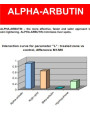
Alpha Arbutin (Switzerland)
Safe-B3™ (Vitamin B3, Niacinamide)
GlucoBright™ (Acetyl Glucosamine)