Face Paint Formulation Concepts (Pressed Powder & Alcohol-Soluble)
Question
I am developing two types of face paint and would like formulation concepts and guidance based on my initial ideas:
- A pressed powder type that is activated by water and dries quickly, similar to a pressed powder makeup. My initial formula used pigments, fillers, and
DBP Dibutyl Phthalateas a solvent/binder, but I understandDBPis hazardous. I need alternatives for the binder/solvent and confirmation on the process (mixing, pressing, drying). - A liquid type that dissolves in 99% alcohol and dries to a water-resistant finish, suitable for special effects. My initial formula used pigments and an alcohol-based solvent. I need guidance on suitable pigments, solvents, and film formers for water resistance, and the formulation approach.
Answer
Face Paint Formulation Concepts
Based on your descriptions and the ingredients discussed, here are formulation concepts for the two types of face paint:
1. Water-Soluble Pressed Powder Face Paint
This type is applied with water and dries quickly, similar to a pressed powder makeup. Key components include cosmetic pigments, fillers, and a water-activated binder.
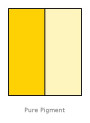
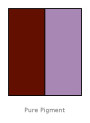
- Pigments: Use cosmetic grade pigments such as Titanium Dioxide (for white and opacity), Ultramarine Blue, Iron Oxides (Yellow, Red, Black), and various Lake colors (like Red 7 Lake, Yellow 10 Lake, Blue 1 Lake). These are blended to create different shades.
- Fillers: Common fillers like Talc, Mica, and Calcium Carbonate provide bulk and aid in pressing.
- Binder: Instead of hazardous substances like DBP, use a water-dispersible binder. Water-dispersible film formers help the powder press into a cake and adhere when applied with water. Examples include Syntran 5778, Make Up Fixer, or Allianz OPT. While Glossy Wax was mentioned, its oil solubility makes it less ideal for water activation.
- Other Ingredients: Ingredients like Glycerin can help with water activation and texture. Other cosmetic ingredients can be added for feel and preservation.
Formulation Approach: Mix dry pigments and fillers. Combine liquid binder (water-dispersible film former, humectant, preservative). Gradually add liquid to dry mix, blend to a pressable consistency, press into pans, and dry completely.
2. Alcohol-Soluble, Water-Resistant Face Paint
This type is for special effects, dissolving in 99% alcohol and drying to a water-resistant finish. It requires an alcohol-based solvent and an alcohol-soluble, water-resistant film former.
- Solvent: High-purity Ethyl Alcohol (99.9%) is the main solvent. A volatile co-solvent like Isododecane (often found in silicone film former products) aids drying.
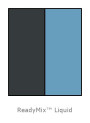
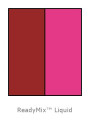
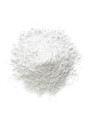
- Pigments: Use cosmetic pigments compatible with alcohol/solvent systems, such as treated Titanium Dioxide (like Dimethicone/Silica Treated or Nanosil), Ultramarine Blue, Iron Oxides, and Oil-Based Lake colors (like ReadyMix™ FD&C Blue No.1 Lake or ReadyMix™ D&C Red No.7 Lake).
- Film Former: An alcohol-soluble polymer that forms a water-resistant film upon drying is essential. Silicone film formers dissolved in volatile solvents are suitable, such as Silicone Film (Soft Film, Low Viscosity, Isododecane Base).
Formulation Approach: Disperse pigments thoroughly in the alcohol/solvent mixture containing the film former. High shear mixing may be needed for proper dispersion. Package in a suitable container.
Important Considerations:
- Pigment Dispersion: Proper dispersion is key for color intensity and uniformity. Pre-dispersed pigments can simplify this.
- Safety: Use only cosmetic grade ingredients. Avoid hazardous substances like DBP.
- Experimentation: Ratios and methods require testing to achieve desired performance.
- Preservation: Ensure formulations, especially water-based ones, are properly preserved.
Related Products Mentioned
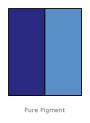
Ultramarine Blue
Glossy Wax (Light, Non-Greasiness)
D&C Yellow No.10 Al Lake
D&C Red No.34 Ca Lake
Titanium Dioxide Nanosil
SI-2 Yellow LLXLO
SI-2 BLACK BL-100
Syntran 5778