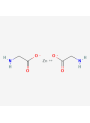
Feedback on Facial Mud Mask Formula for Acne, Oil Control, and Brightening
Question
I would like to create a facial mud mask for oil control, acne reduction, and skin brightening using the following formula:
- Kaolin (China Clay) = 20%
- Glycerin = 3%
- Aloe Vera Extract (10:1) = 1%
- Tea Tree Oil = 1%
- Salicylic Acid = 1%
- Isopentyldiol = 3%
- Vitamin B6 = 1%
- Pure MSM = 3%
- Z-White = 0.5%
- sheabutter = 1%
- Sodium PCA 50% = 0.5%
- Sodium Lactate Plus = 0.5%
- Natural Urea = 0.5%
- Green Powder (CI1940) = 0.1%
- Mild Preserved Eco = 1%
- Water = Remaining percentage
Could you please provide feedback or advice on this formula?
Answer
Thank you for sharing your facial mud mask formula. This formula contains several good ingredients that align with the goals of helping control oil, reduce acne, and brighten the skin.
Overall, key ingredients like Kaolin provide a good base for a mud mask, helping to absorb oil and impurities. Salicylic Acid is an excellent ingredient for acne and oily skin, helping to exfoliate and clear pores. Other ingredients such as Tea Tree Oil, Pure MSM, Vitamin B6, Z-White, and Aloe Vera Extract are good additions that help soothe, reduce inflammation, control oil, and even out skin tone.
However, there are some additional considerations regarding this formula:
- Tea Tree Oil (1%): A concentration of 1% is quite high for a facial mask product, which may cause irritation or sensitization in some individuals, especially those with sensitive skin. Consider reducing the concentration or performing a patch test before applying to the entire face.
- Texture and Stability: While Kaolin is the main component for creating texture, having only 20% Kaolin might result in a mask that is not thick enough or prone to separation over time. It may be necessary to consider adding a thickener or suspending agent to improve the mask's consistency and stability.
- Solubility and Dispersion: Salicylic Acid dissolves well in certain solvents like Isopentyldiol, but mixing in a water base might require heat to fully dissolve. Additionally, oil-based ingredients such as Tea Tree Oil and Shea Butter may require a small amount of dispersant or emulsifier to ensure even distribution in the water base and prevent oil separation.
- pH Level: Salicylic Acid is most effective at a pH of around 3-4. Mixing various ingredients can change the pH. The pH of the final formula should be measured and adjusted to the appropriate range for optimal Salicylic Acid efficacy while remaining gentle on the skin.
In summary, this formula is a good starting point with interesting ingredients for managing acne and oiliness. However, attention should be paid to the mixing process, adjusting consistency and pH, and testing for irritation, especially from Tea Tree Oil at 1% concentration.
Related Products Mentioned
Glycerin (USP/Food Grade)
Salicylic Acid (BHA, Pharma Grade)
Tea Tree Oil (Extra Grade, Terpinen‑4‑OL >43%, Australian)

Pure MSM™ (Methylsulfonylmethane)
Kaolin (China Clay, 200nm)