Formula Review and Mixing Procedure for Brightening Serum/Cream
Question
I need a review and mixing instructions for my cosmetic formula with the following ingredients:
- Water
- Disodium EDTA
- Glycerin
- Propylene Glycol
- Allantoin (0.5%)
- Acetyl Glucosamine
- Vitamin B3 (Niacinamide)
- Aloe Vera Extract
- Phenoxyethanol (staff recommended increasing to 1.0%)
- Cyclomethicone
- Sepiplus 400™
- Liquid Azelaic (Potassium azeloyl diglycinate)
Please advise on ingredient compatibility, a step-by-step mixing procedure, and comment on the staff's recommendations regarding the preservative percentage and adding actives like NanoWhite and Delentigo for melasma.
Answer
Formula Review and Mixing Instructions
Formula Compatibility
The ingredients in your formula are generally compatible. You have a water phase containing humectants (Glycerin, Propylene Glycol), water-soluble actives (Allantoin, Acetyl Glucosamine, Vitamin B3, Aloe Vera Extract, Liquid Azelaic), a chelating agent (Disodium EDTA), and a preservative (Phenoxyethanol). The oil phase contains Cyclomethicone and Sepiplus 400™.
- Allantoin: It has limited solubility in water at room temperature (0.5%). Since your formula uses 0.5%, it should dissolve, but gentle heating of the water phase can help ensure it fully dissolves.
- Liquid Azelaic (Potassium azeloyl diglycinate): This ingredient is water-soluble and should be added in the final step below 40°C, as indicated in its description. It also works best within a pH range of 5-11.
- Vitamin B3 (Niacinamide): This is water-soluble and works best in a pH range of 4.0-7.0.
- Aloe Vera Extract: This is water-soluble but is noted as an electrolyte that might affect the viscosity of gels or creams.
- Phenoxyethanol: The staff correctly recommended increasing this to 1.0% for effective preservation. This is within the recommended usage rate (0.5-1.0%) and is soluble in the water phase.
- Sepiplus 400™: This is a polymer thickener and emulsifier that can handle silicones like Cyclomethicone. It's often used in cold process or added to the water phase, but can also be dispersed in the oil phase. Dispersing it in the oil phase (Cyclomethicone) before combining with the water phase is a common method for this type of emulsifier.
The formula appears to be designed as an O/W (oil-in-water) emulsion, likely a serum or light cream texture, thickened and emulsified by Sepiplus 400™.
Mixing Procedure
Here is a suggested method for mixing your formula:
- Prepare the Water Phase (Phase A): In a beaker, combine Water, Disodium EDTA, Glycerin, and Propylene Glycol. Stir until Disodium EDTA is fully dissolved.
- Dissolve Water-Soluble Powders: Add Allantoin, Acetyl Glucosamine, and Vitamin B3 (Niacinamide) to Phase A. Stir or heat gently (e.g., up to 40-50°C) if needed to ensure all powders are fully dissolved. Once dissolved, cool Phase A back down if heated.
- Add Water-Soluble Liquids: Add Aloe Vera Extract and Phenoxyethanol to Phase A. Stir to combine.
- Prepare the Oil Phase (Phase B): In a separate beaker, combine Cyclomethicone and Sepiplus 400™. Stir or mix well to disperse the Sepiplus 400™ in the Cyclomethicone.
- Combine Phases: Slowly add Phase B (the oil phase) to Phase A (the water phase) while continuously mixing. Use a homogenizer or high-shear mixer if available for best results, or mix vigorously with a whisk or stirrer until a uniform emulsion forms. Sepiplus 400™ will start to thicken the mixture.
- Add Heat-Sensitive Active: Once the emulsion has formed and the temperature is below 40°C, add Liquid Azelaic. Stir well until fully incorporated.
- Final Adjustments: Check the pH of the final product. For optimal stability and efficacy of Vitamin B3 and Liquid Azelaic, aim for a pH between 5.0 and 6.0. Adjust with a suitable acid (like Citric Acid solution) or base (like Sodium Hydroxide solution) if necessary.
- Packaging: Once fully mixed and the pH is adjusted, package the product.
Staff Recommendations
The staff's suggestion to increase Phenoxyethanol to 1.0% is advisable for better preservation.
For addressing melasma (ฝ้า), the recommendation to consider adding NanoWhite and Delentigo is relevant. These are known skin-lightening ingredients that could enhance the formula's effectiveness for this concern. If you choose to add them, you would typically incorporate them into the water phase or at the end, depending on their specific solubility and usage instructions. Always check the recommended usage rate and compatibility for any new ingredients you add. Remember to also use adequate sun protection (SPF) when treating melasma.
This formula is well-structured and contains several beneficial ingredients for skin brightening, hydration, and reducing oiliness.
Related Products Mentioned
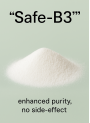
Safe-B3™ (Vitamin B3, Niacinamide)

Allantoin
GlucoBright™ (Acetyl Glucosamine)
Propylene Glycol (USP)
Glycerin (USP/Food Grade)
Phenoxyethanol (Extra Pure)