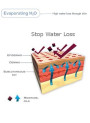
Formulating a Hydrating Gel/Serum for Very Dry Skin
Question
I have purchased several water-soluble ingredients and would like to formulate a hydrating gel or serum specifically for very dry skin. I have the following ingredients:
- Water
- Vitamin B5 (Panthenol) - 4%
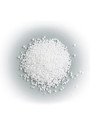
- Urea - 4%
- Sodium PCA 50 - 5%
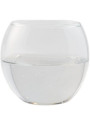
- Sodium Lactate - 4%
- Water Lock (Polyquaternium-51) - 2%
- Hyaluronic Acid (Standard Molecule) - 0.4%
- Allantoin - 0.3%
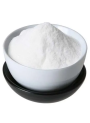
- Vitamin C (L-Ascorbic Acid) - 10%
- Disodium EDTA - 0.2%
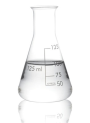
- Phenoxyethanol - 0.5%
- Pro Polymer™ (Gel Maker)
- Fresh Aloe Vera (1 part)
- Water (2 parts, mixed with fresh aloe)
- Sweet Pea (Fragrance)
I have a few questions regarding this formulation:
- How much Pro Polymer™ (Gel Maker) should I use to achieve a non-sticky, non-liquid gel texture?
- Should this formula be adjusted (reduced or increased) for best results, especially considering the target is very dry skin?
- What is the correct mixing order for these ingredients?
Answer
Formulation Guidance for Your Ingredients
This formula focuses on the water-soluble hydrating ingredients you have. Note that this will be a hydrating gel/serum and may need to be layered with a cream or oil for very dry skin, as it lacks emollients.
Feasible Ingredient List (using purchased water-soluble items):
- Water (adjust amount to reach 100%)
- Vitamin B5 (Panthenol) - 4%
- Urea - 4%
- Sodium PCA 50 - 5%
- Sodium Lactate - 4%
- Water Lock (Polyquaternium-51) - 2%
- Hyaluronic Acid (Standard Molecule) - 0.4%
- Allantoin - 0.3%
- Vitamin C (L-Ascorbic Acid) - 10% (Note: This will be unstable)
- Disodium EDTA - 0.2%
- Phenoxyethanol - 0.5%
Pro Polymer™ (Gel Maker) - See answer to Question 1 below
(Omit Fresh Aloe Vera and Sweet Pea)*
1. How much Pro Polymer™ (Gel Maker) should I use for a non-sticky, non-liquid gel texture?
Pro Polymer™ (ID 234) is an acrylate crosspolymer gel maker. It is sensitive to electrolytes, and your formula contains several ingredients that are electrolytes (Urea, Sodium PCA, Sodium Lactate, Vitamin C). These electrolytes will interfere with Pro Polymer's ability to thicken the water phase.
- Recommended Range: For a formula with high electrolytes like yours, you will likely need to use Pro Polymer at a concentration of 1% to 2% or potentially slightly higher.
- Experimentation is Key: The exact amount needed will depend on the specific grades of your ingredients and the total electrolyte load. You will need to experiment by starting with 1% Pro Polymer and gradually adding more while stirring until you achieve the desired gel consistency (not too thin, not too thick or sticky).
- Mixing Challenge: Be aware that achieving a smooth gel texture with high electrolyte content can be challenging. Ensure thorough mixing.
2. Should the formula be adjusted for best results?
Yes, adjustments are highly recommended for safety, stability, and optimal results for very dry skin:
- Remove Fresh Aloe Vera: As discussed, fresh aloe vera is highly unstable and prone to microbial growth. It is not safe for use in a cosmetic product, especially for sale. Replace the "1 part ว่านหาง, 2 parts น้ำ" with 100% water or use a cosmetic-grade preserved aloe vera extract if you acquire one.
- Omit Sweet Pea: Unless you purchase an emulsifier, the Sweet Pea fragrance (if oil-based) will not properly mix into this water-based gel and will separate. Omit it from the formula.
- Vitamin C Stability: Your formula includes 10% L-Ascorbic Acid (Vitamin C). This form of Vitamin C is very unstable in water, particularly at typical skin pH. It will oxidize quickly, losing its effectiveness and potentially changing color. If you want stable Vitamin C benefits, consider using a stable derivative like Sodium Ascorbyl Phosphate or Magnesium Ascorbyl Phosphate in the future, or formulate in an anhydrous (water-free) base. If you use the L-Ascorbic Acid you have, make small batches and use them quickly, storing in a cool, dark place.
- Add Emollients: For very dry skin, a purely water-based gel with humectants might not be sufficient. Emollients and occlusives (ingredients that form a barrier on the skin to prevent water loss) are crucial. Ingredients like natural oils, butters, or silicones, combined with an emulsifier to mix them into the water phase, would create a cream or lotion that provides more lasting relief for severe dryness. Your current ingredients lack these. This formula will provide hydration but might not fully address the barrier function needed for very dry skin.
3. What is the correct mixing order?
Assuming you are making the feasible water-based gel using your purchased water-soluble ingredients (omitting fresh aloe and Sweet Pea):
Water Phase Preparation:
- Measure out the required amount of Water (this will be the remaining percentage after accounting for all other ingredients).
- Add Disodium EDTA (0.2%) to the water and stir until dissolved.
- Add the powder ingredients: Urea (4%), Allantoin (0.3%), and Vitamin C (10%). Stir thoroughly until fully dissolved. (Note: The Vitamin C will make the solution acidic).
- Add the liquid water-soluble ingredients: Vitamin B5 (4%), Sodium PCA 50 (5%), Sodium Lactate (4%), and Water Lock (2%). Stir until everything is uniformly mixed and dissolved.
Gelling:
- Slowly sprinkle the Pro Polymer™ powder (start with 1%) onto the surface of the water phase while stirring continuously.
- Stir gently but consistently. Avoid high-speed blending which can damage the polymer. Continue stirring until the Pro Polymer is fully hydrated and the desired gel consistency is achieved. This may take some time, and the high electrolyte content might make thickening slower or less robust than in a simple water gel.
Final Addition:
- Add Phenoxyethanol (0.5%) to the gel and mix thoroughly to ensure it is evenly distributed.
- (Optional but Recommended): Check the pH of the final product. Vitamin C will lower the pH. For skin application, a pH between 4.0 and 6.0 is generally recommended. Adjust with a small amount of a base (like Sodium Hydroxide solution) if necessary, but be aware that pH adjustment can also affect the gel viscosity due to the electrolytes.
This process will yield a hydrating gel using the majority of your purchased water-soluble ingredients. Remember the limitations regarding fresh aloe, Vitamin C stability, and the lack of emollients for very dry skin.
Related Products Mentioned
Allantoin
Vitamin C (L-ascorbic acid) (Fine)
Sodium Lactate (60% Liquid, Natural)
Urea (High Purity, Cosmetics, Powder)
Phenoxyethanol (Extra Pure)
Sodium PCA 50%
Disodium EDTA
Pro Polymer™ (Gel Maker)