Formulating an Oil Control & Waterproof Makeup Setting Spray
Question
I want to create a spray for very oily skin that controls oil and helps makeup last longer and be waterproof. I plan to use the following ingredients:
- [Product Name: Polyester Film (Water Resistant, Hard)] (Product ID 1229)
- [Product Name: MatteSilica XL™ (Highest oil absorption)] (Product ID 679)
- [Product Name: Zinc PCA] (Product ID 252)
- [Product Name: Pure MSM™ (Methylsulfonylmethane)] (Product ID 212)
- [Product Name: Phenoxyethanol (Extra Pure)] (Product ID 155)
My questions are:
- Will [Product Name: Polyester Film (Water Resistant, Hard)] (Product ID 1229) make the formula waterproof?
- Is [Product Name: Zinc PCA] (Product ID 252) redundant if I already use [Product Name: MatteSilica XL™ (Highest oil absorption)] (Product ID 679)?
- What is a simple mixing procedure for these ingredients to create a spray?
Answer
Formulation Advice for Your Spray
Your goal is to create a spray with excellent oil control and makeup-setting properties for very oily skin. The ingredients you've chosen are suitable for a water-based system, which is good for a spray format.
Let's look at each ingredient's role:
- Polyester Film (Water Resistant, Hard) (Product ID 1229): This ingredient is excellent for forming a film on the skin that helps set makeup and provides water resistance. As you noted, it's a good alternative to
Oil Film (Long-Wear)when using silica powders. It needs to be dispersed in hot water. - MatteSilica XL™ (Highest oil absorption) (Product ID 679): This is a key ingredient for absorbing excess oil on the skin, helping to keep the face matte. You are correct that it offers high oil absorption. Note that silica is a powder and will need to be well-dispersed in the liquid, and may settle over time, requiring shaking before use.
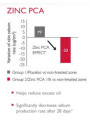
- Zinc PCA (Product ID 252): This ingredient is very beneficial for oily skin. While MatteSilica XL™ absorbs oil that is already on the skin, Zinc PCA works to help regulate the skin's own sebum production over time. Using both provides a more comprehensive approach to oil control – immediate mattifying from silica and longer-term reduction in oiliness from Zinc PCA. So, Zinc PCA is definitely useful and not redundant.
- Pure MSM™ (Methylsulfonylmethane) (Product ID 212): MSM has various skin benefits, including potential mild oil control and anti-inflammatory properties, and can support skin health. However, its primary function is not as potent for immediate oil absorption or sebum regulation compared to MatteSilica XL™ and Zinc PCA. It's not strictly necessary for your core goals but can be included for added benefits if desired.
- Phenoxyethanol (Extra Pure) (Product ID 155): This is a standard and effective preservative necessary for any water-based product to prevent bacterial and fungal growth.
Suggested Formulation Approach
Creating a spray with powder ingredients like MatteSilica XL™ requires careful mixing to ensure the powder is well-dispersed and doesn't clog the spray nozzle. While you want a simple method, achieving good dispersion is key.
Here is a suggested starting point for a simple water-based spray formulation using your chosen ingredients. These are approximate percentages and should be adjusted based on testing to achieve your desired performance and feel.
- Water: Balance (around 90-95%)
- Polyester Film (Product ID 1229): 2-3%
- Zinc PCA (Product ID 252): 0.5-1.0% (Use 1.0% for maximum oil control benefit)
- Pure MSM™ (Product ID 212): 1-3% (Optional, include if you want the added skin benefits)
- MatteSilica XL™ (Product ID 679): 1-2% (Start lower to minimize settling and clogging potential in a spray)
- Phenoxyethanol (Product ID 155): 0.5-1.0% (Use 1.0% for robust preservation)
Simple Mixing Procedure:
- Heat the majority of your water (e.g., 90% of the total water needed) to around 80°C.
- Add the Polyester Film (Product ID 1229) to the hot water and stir or blend for 15-30 minutes until it is fully dispersed/dissolved.
- Allow the mixture to cool down to below 60°C.
- Add Zinc PCA (Product ID 252), Pure MSM™ (Product ID 212) (if using), and Phenoxyethanol (Product ID 155). Stir well until all soluble ingredients are dissolved.
- Check the pH of the mixture. Zinc PCA is most soluble and effective in the pH range of 4-6. Adjust the pH if necessary using a suitable acid (like Lactic Acid or Citric Acid solution) or base (like Sodium Hydroxide solution).
- In a separate small amount of water or the remaining balance of your formula's water, thoroughly disperse the MatteSilica XL™ (Product ID 679). You can use a small mixer or vigorously shake it in a closed container. Ensure there are no dry clumps.
- Add the MatteSilica XL™ dispersion to the main batch and mix thoroughly. High-shear mixing (like using a homogenizer or a strong lab mixer) would be ideal for keeping the silica suspended, but vigorous stirring or shaking can work for a simple batch.
- Add any remaining water to reach 100% of your total formula weight.
- Pour the mixture into a spray bottle.
Important Considerations:
- Shaking: Due to the MatteSilica XL™ being a powder, it will likely settle at the bottom of the spray bottle over time. You must instruct the user to shake the bottle very well before each use to redistribute the powder for even application and optimal oil absorption.
- Nozzle Clogging: Using powders in sprays can sometimes lead to nozzle clogging. Starting with a lower percentage of MatteSilica XL™ (like 1-1.5%) and using a spray bottle with a good quality pump designed for slightly thicker liquids or dispersions can help.
- Testing: Always test the final product for stability (does it separate?), efficacy (does it control oil and set makeup as desired?), feel on the skin, and spray performance.
Related Products Mentioned
Phenoxyethanol (Extra Pure)

Pure MSM™ (Methylsulfonylmethane)
Zinc PCA