Formulating Anti-aging Serum: Dissolution, Stability, and Mixing Challenges
Asked by: justchin7
On: July 05, 2018
Product Type:
Cosmetics
Answered
Question
I am formulating an anti-aging serum using Silky Serum Base Plus and including the following ingredients:
- Retinal (Retinaldehyde) 0.1%
- Protec™ OX 0.05%
- Methylsilanol Mannuronate
- Repair Activator
- Pro-Cysteine
- Hyaluronic Acid Elastomer
- Sebum-Reg
- Nano Silver Pure
- 1,2-Hexanediol
- Phospholipid
- Protec UV
- Protec SQ
- Water
- Sodium Hydroxide / Lactic Acid (AHA) 88% (for pH adjustment)
I understand that Retinal and Protec OX are powders and require a solvent. Please provide guidance on the formulation process, specifically addressing:
- How to properly dissolve Retinal and Protec OX.
- The recommended mixing procedure, including equipment needed.
- How to adjust the pH for optimal stability and efficacy of Retinal and Sebum-Reg.
- Potential stability issues, such as Nano Silver settling and Retinal degradation, and how to mitigate them.
Answer
Analysis of Your Revised Anti-Aging Serum Formula
Thank you for providing your revised formula. Based on the ingredients and your goals, here is an analysis:
Feasibility, Compatibility, and Stability
- Feasibility: The formula is technically feasible but will be challenging to produce, especially for beginners. The mixing process requires specific techniques and equipment (like a blender) to ensure ingredients are properly dissolved and emulsified.
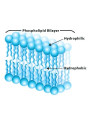
- Compatibility: The ingredients are generally compatible. However, careful pH adjustment is crucial for the stability and effectiveness of ingredients like Retinal and Sebum-Reg. The formula contains both acidic (Pro-Cysteine, Lactic Acid) and alkaline (Sodium Hydroxide) components, requiring precise balancing. Phospholipid needs to be dispersed at room temperature.
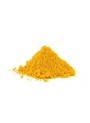
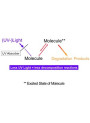
- Stability: Retinal is sensitive to light and heat. While the Protec series helps, the mixing method for dissolving Retinal and Protec OX (which are powders) is critical. Nano Silver Pure, being a paste, has a potential for settling over time in a serum texture, even with thickeners.
Expected Results
Based on the active ingredients included, this formula is expected to provide:
- Anti-aging benefits: Retinal is a potent ingredient for reducing wrinkles and improving skin texture. Methylsilanol Mannuronate aims to provide lifting and firming effects. Repair Activator supports skin repair processes. Pro-Cysteine may offer antioxidant or skin strengthening benefits.
- Oil control and acne reduction: Sebum-Reg is included to help reduce excess oiliness and inhibit acne-causing bacteria. Retinal can also contribute to improving acne and skin clarity.
- Hydration: Hyaluronic Acid Elastomer and 1,2-Hexanediol will help attract and retain moisture in the skin.
- Skin Feel: The Silky Serum Base Plus, 1,2-Hexanediol, and Phospholipid should contribute to a light, soft, and fast-absorbing serum texture, suitable for slightly oily skin.
Recommended Adjustments and Considerations
- Dissolving Retinal and Protec OX: As noted in previous feedback, Retinal and Protec OX are powders and require a suitable solvent for proper dispersion in the oil phase. It is recommended to add PPG-3 Myristyl Ether at approximately 3% to the oil phase (Silky Serum Base Plus, Protec UV, Protec SQ). Mix these oil-soluble ingredients together and heat gently (60-70°C) to help dissolve Protec OX. Once dissolved, let the mixture cool slightly before adding Retinal and blending quickly to minimize heat exposure to Retinal.
- Mixing Process: After preparing the oil phase (with dissolved Retinal and Protec OX), prepare the water phase by dissolving all water-soluble ingredients (Methylsilanol Mannuronate, Repair Activator, Pro-Cysteine, Hyaluronic Acid Elastomer, Sebum-Reg, Nano Silver Pure, 1,2-Hexanediol, Phospholipid, Water, and pH adjusters). Note that Phospholipid should be dispersed at room temperature. Slowly add the water phase to the oil phase while blending continuously with a high-shear mixer to form the serum emulsion.
- pH Adjustment: The pH of the final formula is critical for the stability and efficacy of Retinal (optimal pH 3.5-6.5) and Sebum-Reg (optimal pH 4-6). After the serum is fully formed, measure the pH and adjust it to the target range of 4-6 using Sodium Hydroxide or Lactic Acid (AHA) 88% as needed. This requires careful, incremental addition and pH testing.
- Nano Silver Settling: While the formula includes thickeners, Nano Silver Pure is a paste and may still settle over time, especially in a relatively low-viscosity serum. Ensuring thorough dispersion during mixing is key. If settling remains a significant issue, you might consider slightly increasing the concentration of water-phase thickeners (like Hyaluronic Acid Elastomer) or reducing the Nano Silver concentration, although this would impact its preservative effectiveness.
- Protec SQ Color: Using Protec SQ at 3% is less likely to cause excessive yellowing compared to 5%, but it may still impart a slight yellow tint to the final product.
This revised formula addresses some previous points and incorporates beneficial actives for your goals. However, the mixing process and ensuring long-term stability of the Nano Silver dispersion and Retinal efficacy due to pH and potential heat exposure during mixing are the main challenges.
Related Products Mentioned

Lactic Acid (AHA) 88%
Cosmetics
Sodium Hydroxide
Cosmetics
Silky Serum Base Plus (Face/Eye, Oil)
Cosmetics

20nm Silver Pure™
Cosmetics
Retinal (Retinaldehyde)
Cosmetics
Phospholipid
Cosmetics

Protec™ SQ
Cosmetics

Pro-Cysteine
Cosmetics
Sebum-Reg™ (Capryloyl Glycine)
Cosmetics
PPG-3 Myristyl Ether
Cosmetics
Methylsilanol Mannuronate
Cosmetics