Formulating Primer/Foundation for Deep Acne Scar Coverage
Question
How can I formulate a primer or foundation base that effectively fills and blurs deep acne scars, providing long-lasting, waterproof, and sweatproof coverage? What are the key ingredients and formulation concepts for achieving this result, and is it possible to simply add these ingredients to an existing foundation?
Answer
Solution for Deep Acne Scars: Primer and Foundation Formulation
Addressing deep acne scars with makeup requires products that can effectively fill, blur, and provide long-lasting coverage. Key ingredients for this purpose are often found in primers and foundations designed for smoothing and perfecting the skin texture.
Key Ingredients for Filling, Blurring, and Longevity
Based on your needs for filling deep scars, blurring imperfections, and achieving long-lasting, waterproof, and sweatproof results, the following types of ingredients are highly effective:
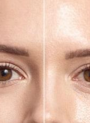
- Silicone Gels and Elastomers: These create a smooth, silky texture and can physically fill in pores and fine lines, making the skin surface appear more even. They also contribute to a matte or soft-focus look that helps blur imperfections by reducing light reflection. Examples include Silicone Gel (Ultra Clear, Super Silky) and Silicone Elastomer Powder.
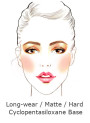
- Silicone Film Formers: These ingredients create a flexible film on the skin that helps the makeup adhere better and provides significant water and sweat resistance, ensuring long wear. An example is Silicone Film (Very Long-Wear, Hard).
- Blurring Powders: Specialized powders can scatter light and absorb oil, further enhancing the blurring effect on imperfections and contributing to a matte finish. UltraBlur™ (Skin Blurring Silica) is specifically designed for this purpose. Sericite Powder (CompactPro™, Matte, Dimethicone Coated) can also help with natural coverage and texture.
Modifying Existing Foundation vs. Creating a New Formula
While it might seem possible to add these ingredients to an existing foundation, achieving the desired performance (filling, blurring, longevity, stability, and texture) by simply mixing can be challenging. Existing foundations have carefully balanced formulations. Adding significant amounts of silicones, powders, or film formers without proper formulation knowledge can disrupt the emulsion, affect spreadability, coverage, and wear time, and may not effectively fill deep scars.
For the best results in addressing deep, wide scars and ensuring long-lasting, waterproof wear, creating a dedicated primer or a foundation base specifically formulated with these ingredients is recommended.
Approach for a Scar-Filling Primer/Foundation Base
A primer or foundation base designed to fill and blur deep scars would typically have a high concentration of silicone elastomers and blurring powders dispersed in a silicone base, often combined with a silicone film former for longevity. This creates a thick yet smooth paste or gel that can physically sit on top of and within the scar depressions, creating a smoother canvas.
General Concept (Primer/Base):
- Silicone Base: Use volatile silicones (like Cyclopentasiloxane, which is the base for Silicone Gel (Ultra Clear, Super Silky) and Silicone Film (Very Long-Wear, Hard)) as the primary carrier. These evaporate, leaving the filling and film-forming components on the skin.
- Filling/Blurring Agents: Incorporate Silicone Elastomer Powder and UltraBlur™ (Skin Blurring Silica) at appropriate percentages. These are the key components for physically filling and optically blurring the scars.
- Film Former: Add Silicone Film (Very Long-Wear, Hard) to create a durable, water-resistant layer that locks the filling/blurring effect in place and helps subsequent makeup adhere.
- Texture Enhancers/Concealers: Silicone Gel (Ultra Clear, Super Silky) adds a luxurious, silky feel and aids spreadability. Sericite Powder (CompactPro™, Matte, Dimethicone Coated) can be included for additional blurring and a natural matte finish, and can help with pigment dispersion if creating a tinted base.
This type of base is applied before your regular foundation. It acts as a putty or smoothing layer over the scars. You would apply a small amount, gently pressing or patting it into the scarred areas, allowing it to set slightly before applying foundation.
Full Makeup Routine Consideration
For a full routine targeting deep scars, the steps would typically involve:
- Skincare: Prepare the skin with appropriate skincare.
- Scar-Filling Primer/Base: Apply a specialized primer or base (like the one described above) specifically to the scarred areas to fill and blur.
- Color Correction (Optional): If there is redness or discoloration within the scars, a targeted color corrector can be used.
- Foundation: Apply a medium to full coverage foundation over the entire face, gently blending over the areas where the primer was applied.
- Concealer (Optional): Use a high-coverage concealer on any remaining visible scars or imperfections.
- Setting Powder/Spray: Set the makeup with a powder and/or a long-lasting setting spray, especially one with film-forming properties, to enhance durability and water resistance.
Creating your own formulations requires careful measurement and testing, but it allows you to customize the level of filling, blurring, and longevity needed for your specific concerns. Focusing on a dedicated primer is often the most impactful step for improving the appearance of deep scars under makeup.
Related Products Mentioned
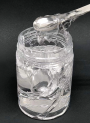
Silicone Gel (Ultra Clear, Super Silky)
Silicone Elastomer Powder