Formulation Compatibility and Stability of Serum with Vitamin C, Peptides, and Ferment
Question
I would like to inquire about cosmetic ingredients. Can they be mixed together? What about stability and resulting color? Can they be put in a pump bottle?
- Hyaluron
- l][url=http://www.myskinrecipes.com/shop/whitening-%E0%B8%AA%E0%B8%B2%E0%B8%A3%E0%B9%83%E0%B8%AB%E0%B9%89%E0%B8%9C%E0%B8%B4%E0%B8%A7%E0%B8%82%E0%B8%B2%E0%B8%A7/486-stabilized-vitamin-c-glycol.html:1vm87pl9]stabilized vitamin c[/url:1vm87pl9][/url]
- [][url=http://www.myskinrecipes.com/shop/%E0%B8%95%E0%B9%88%E0%B8%AD%E0%B8%95%E0%B9%89%E0%B8%B2%E0%B8%99%E0%B8%A3%E0%B8%B4%E0%B9%89%E0%B8%A7%E0%B8%A3%E0%B8%AD%E0%B8%A2/51-matrixyl-3000-palmitoyl-oligopeptide-palmitoyl-tetrapeptide-7.html:1vm87pl9]Pal GHK/url:1vm87pl9
- [url=http://www.myskinrecipes.com/shop/%E0%B9%80%E0%B8%9B%E0%B9%8B%E0%B9%84%E0%B8%97%E0%B8%94%E0%B9%8C%E0%B8%A5%E0%B8%94%E0%B8%A3%E0%B8%B4%E0%B9%89%E0%B8%A7%E0%B8%A2%E0%B8%AD%E0%B8%A2/259-repair-activator-bifida-ferment-lysate.html:1vm87pl9]Repair Activator[/url:1vm87pl9][/url] ][url=http://www.myskinrecipes.com/shop/%E0%B9%80%E0%B8%9B%E0%B9%8B%E0%B9%84%E0%B8%97%E0%B8%94%E0%B9%8C%E0%B8%A5%E0%B8%94%E0%B8%A3%E0%B8%B4%E0%B9%89%E0%B8%A7%E0%B8%A2%E0%B8%AD%E0%B8%A2/259-repair-activator-bifida-ferment-lysate.html:1vm87pl9]Bifida Ferment Lysate[/url:1vm87pl9]
Answer
Formulation Compatibility and Stability
Combining these ingredients into a single, stable cosmetic product can be challenging, primarily due to the varying pH requirements for optimal stability and efficacy of Vitamin C derivatives and Bifida Ferment Lysate.
- Hyaluronic Acid is generally stable across a wide pH range (3.0-9.0) in water-based formulations.
- Matrixyl 3000 is water-soluble and typically added in the final phase at temperatures below 40°C, suggesting compatibility with many base formulations.
- Bifida Ferment Lysate (such as Repair Activator™ BG or WS) often has a slightly acidic pH range (around 4-5.5) and should also be added at lower temperatures.
- Stabilized Vitamin C comes in various forms, each with specific pH requirements for stability:
- Ascorbyl Glucoside (AA-2G) is most stable at pH 6.5-6.8.
- Sodium Ascorbyl Phosphate (SAP) is highly stable but requires an alkaline pH (7-9).
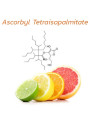
- Ascorbyl Tetraisopalmitate (Perfect-C™) is oil-soluble and stable around pH 5.0-5.5.
- Some ready-made stabilized Vitamin C serums (like Natural-C Glycol™ Serum) are formulated at low pH (2-3) and are often not suitable for adding other active ingredients as it can compromise their stability.
The optimal pH ranges for Bifida Ferment Lysate (4-5.5) and many stable Vitamin C derivatives (6.5-9 for water-soluble types) conflict. Creating a single formula where all active ingredients are at their ideal pH for maximum stability and efficacy simultaneously is difficult. This incompatibility can lead to degradation of the active ingredients over time, reducing the product's effectiveness and shelf life.
Color
The color of the final product will depend on the specific forms and concentrations of the ingredients used.
- Hyaluronic Acid and Matrixyl 3000 are typically clear or slightly cloudy/opaque liquids or white powders that dissolve into clear/slightly cloudy solutions.
- Bifida Ferment Lysate can be a clear liquid or an opaque solution (like Bifida Repair Complex™).
- Stabilized Vitamin C derivatives can range from white powders to clear or light yellow liquids/oils.
A formulation combining these would likely be clear to slightly cloudy or opaque, potentially with a light yellow tint. A significant change in color, particularly browning, is a common indicator of Vitamin C degradation.
Packaging
For a serum or light gel formulation containing these ingredients, a pump bottle is generally suitable for dispensing. However, to maintain the stability of ingredients like Vitamin C, it is highly recommended to use opaque and/or airless pump bottles. Exposure to light and air can accelerate the degradation of sensitive active ingredients, especially Vitamin C.
Conclusion
While it is technically possible to mix these ingredients, achieving a truly stable and effective formulation requires careful consideration of the specific types of each ingredient, their optimal pH ranges, and potential interactions. Due to the conflicting pH requirements, especially between Bifida Ferment Lysate and most water-soluble Vitamin C derivatives, maintaining the stability and efficacy of all components in a single formula is challenging. It is advisable to consult with a cosmetic formulator to develop a stable product or consider formulating these ingredients in separate products with optimized pH levels.
Related Products Mentioned

Pal-GHK, Pal-GQPR (eq Matrixyl 3000)


4D Hyaluronic Acid