Formulation Guideline for Hair Bleach Powder
Question
Hello,
Do you have a hair bleach powder formulation guideline? If yes, can I have it?
Thank you.
Answer
Hair bleach powder is a complex mixture of oxidizing agents, alkalizers, and conditioners designed to lift natural hair pigment. Below is a general formulation guideline for a high-performance hair bleach powder.
Core Components of Hair Bleach Powder
- Oxidizing Agents (Persulfates): These are the primary active ingredients that release oxygen to break down melanin. A combination of different persulfates is often used to balance the speed and intensity of the lift.
- Potassium Persulfate: The most common booster for high-lift results.
- Ammonium Persulfate: Provides rapid lifting action but can have a stronger odor.
- Sodium Persulfate: Often used as a secondary booster.
- Alkalizing Agents: These raise the pH to swell the hair cuticle, allowing the oxidizers to penetrate. Common examples include Sodium Silicate, Sodium Metasilicate, or Magnesium Carbonate.
- Thickeners & Stabilizers: These ensure the mixture has a creamy consistency when mixed with a developer (Hydrogen Peroxide). Examples include Xanthan Gum, Guar Gum, or Cellulose derivatives.
- Chelating Agents: Such as Disodium EDTA, to neutralize metal ions in the hair that could cause uneven results or damage.
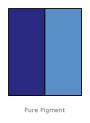
- Color Correctors: Pigments like Ultramarine Blue or Violet are added to neutralize unwanted yellow or orange tones during the bleaching process.
Sample Formulation Guideline (Powder Base)
| Ingredient Type | Ingredient Name | Usage Rate (%) |
|---|---|---|
| Oxidizer | Potassium Persulfate | 30.0 - 50.0% |
| Oxidizer | Ammonium Persulfate | 10.0 - 20.0% |
| Oxidizer | Sodium Persulfate | 5.0 - 15.0% |
| Alkalizer | Sodium Silicate / Metasilicate | 15.0 - 25.0% |
| Filler/Alkalizer | Magnesium Carbonate | 5.0 - 10.0% |
| Thickener | Guar Hydroxypropyltrimonium Chloride | 1.0 - 3.0% |
| Chelating Agent | Disodium EDTA | 0.2 - 0.5% |
| Pigment | Ultramarine Blue / Violet | 0.1 - 1.0% |
Preparation and Usage
- Mixing: The powder must be mixed with a Cream Developer (Hydrogen Peroxide) in a ratio typically ranging from 1:1.5 to 1:2 (Powder:Developer).
- Safety: Persulfates are strong oxidizers. Formulations are often made "dust-free" by adding a small amount of mineral oil or isopropyl myristate (approx. 1-3%) to prevent the powder from becoming airborne during mixing.
- Testing: Always perform a strand test and a patch test before full application.
Important Safety Note
Hair bleaching involves strong chemical reactions. Ensure the manufacturing environment is well-ventilated and use appropriate personal protective equipment (PPE) such as masks and gloves when handling raw persulfate powders.
Follow-up Replies
Question:
Hello,
Do you have a hair bleach powder formulation guideline? If yes, can I have it?
Also, is there any criteria or requirement on the dosage of alkalizer? Instead of two different alkalizers, is it possible to use either one alkalizer will do?
Thank you.
Answer:
In hair bleach powder formulations, the dosage of alkalizers is determined by the target pH of the final mixture, the desired lift speed, and the balance between performance and hair damage. While it is technically possible to use a single alkalizer, using a combination is the industry standard for achieving a stable, high-performance, and safer product.
1. Criteria for Alkalizer Dosage
The dosage is not fixed but is adjusted based on several performance targets:
- Target pH: The ready-to-use bleach paste (mixed with developer) typically targets a pH between 9.5 and 11.5. A 1% solution of the powder in water usually sits between pH 10 and 12.
- Lift Speed: Higher alkalinity (higher pH) accelerates the decomposition of persulfates and hydrogen peroxide, leading to faster pigment removal (lift).
- Hair Integrity: Excessive alkalinity increases the risk of scalp irritation and severe damage to the hair cuticle and cortex (protein loss).
- Buffering Capacity: The alkalizer must be strong enough to maintain an alkaline environment even when mixed with acidic hydrogen peroxide developers.
2. Can you use only one alkalizer?
Yes, it is possible to use only one, but there are significant trade-offs depending on which one you choose:
- Using only Sodium Metasilicate: This is the most common choice if only one is used. It provides a very strong, fast lift. However, the resulting paste can be harsh, increasing the risk of hair breakage and scalp irritation. It also offers less control over the texture of the paste.
- Using only Sodium Silicate: This can provide a smoother paste and better buffering, but the lift may be slower or inconsistent depending on the specific grade used. It can also cause the paste to "set" or gel too quickly.
- Using only Magnesium Carbonate: This is generally not recommended for high-lift bleach. It is a weak alkalizer and cannot maintain the necessary pH when mixed with acidic developers, resulting in poor lightening performance.
3. Why Combinations are Preferred
Most professional formulations use a blend to balance different functional needs:
- Sodium Metasilicate (approx. 5–12%): Acts as the primary "engine" for high pH and fast lift.
- Sodium Silicate (approx. 5–15%): Provides buffering to keep the pH stable and helps improve the creaminess and adhesion of the paste.
- Magnesium Carbonate (approx. 5–20%): Acts as a "filler" and mild buffer. It improves the flow of the powder, reduces dusting, and makes the final paste easier to apply.
Typical Dosage Guidelines
| Alkalizer | Role | Typical Range in Powder |
|---|---|---|
| Sodium Metasilicate | Strong pH driver / Fast lift | 5% – 12% |
| Sodium Silicate | Buffering / Texture / Stability | 5% – 15% |
| Magnesium Carbonate | Bulking / Dust control / Mildness | 8% – 20% |
Summary: If you are looking for a simple formulation, you can start with Sodium Metasilicate as your primary alkalizer. However, for a professional-grade product that is easier to handle and gentler on the hair, incorporating Sodium Silicate and Magnesium Carbonate is highly recommended.
Related Products Mentioned
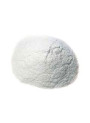
Disodium EDTA
Ultramarine Blue
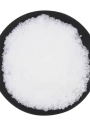
Ammonium Persulfate
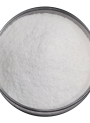
Sodium Persulfate
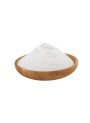
Potassium Persulfate
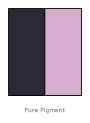
Ultramarine Violet
Isopropyl Myristate (Deodorized)