Functions of Cosmetic Ingredients in a Formulation
Question
Could you please explain the function of each ingredient in the following list when used in a cosmetic formulation?
- Water
- Butylene Glycol
- PEG-20 Methyl Glucose Sesquistearate
- Dimethicone
- Niacinamide
- Dipropylene glycol
- Hydroxyacetophenone
- Bisabolol
- Trehalose
- Caprylyl Glycol
- Carbomer
- Xanthan Gum
- Disodium EDTA
- Potassium Hydroxide
- Sodium Hyaluronate
- Fragrance
- aloe barbadensis leaf juice
- Maltodextrin
- Bifida Ferment Lysate
- Phenoxyethanol
- sodium benzoate
- PEG-90M
- Dipotassium Glycyrrhizate
- Hydrolyzed Hyaluronic Acid
- Polysorbate 20
- Retinol
- Polysiphonia Elongata Extract
- Hydrolyzed Collagen
- Potassium Sorbate
- Tetrapeptide-26
- Citric Acid
Answer
Cosmetic Ingredients and Their Functions
Based on the ingredients provided and available information, here are the roles these components typically play in cosmetic formulations:
Solvents and Humectants
- Water: The primary solvent, forming the base of many formulations.
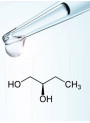
- Butylene Glycol (Product ID: 320): Used as a solvent and humectant, helping to draw moisture into the skin. It is considered gentler than Propylene Glycol.
- Dipropylene Glycol (Product ID: 488): Primarily used as a solvent, especially effective for dissolving fragrances and acting as a fixative to help scents last longer.
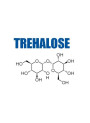
- Trehalose (Product ID: 197): A natural disaccharide that functions as a humectant, enhancing skin hydration and improving barrier function. It also offers protective effects against desiccation and oxidative stress.
- Sodium Hyaluronate / Hydrolyzed Hyaluronic Acid (Product IDs: 105, 404): Different molecular sizes of Hyaluronic Acid. They are powerful humectants that hydrate the skin, with smaller molecules potentially penetrating deeper. Double Hyaluron Liquid (ID 404) is a liquid blend of nano and standard sizes for ease of use.
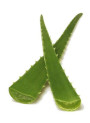
- Aloe Barbadensis Leaf Juice (Product ID: 76): Aloe Vera Extract, known for its soothing, anti-irritant, and moisturizing properties.
Thickeners and Gelling Agents
- Carbomer (Product ID: 651): A gelling agent used to increase viscosity and create gel textures. It requires neutralization with an alkali and is sensitive to electrolytes and low pH.
- Xanthan Gum (Product ID: 216): A natural thickener used to increase the viscosity of formulations, creating a gel texture. A clear gel type is available.
- PEG-90M: Typically functions as a binder, film former, and thickener in cosmetic products. Information for a specific product was not available.
Emulsifiers and Solubilizers
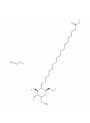
- PEG-20 Methyl Glucose Sesquistearate (Product ID: 6341): An oil-in-water emulsifier used to blend oil and water phases in a formulation.
- Polysorbate 20 (Product ID: 175): An emulsifier and solubilizer used to disperse oils and fragrances in water-based products.
Active Ingredients
- Niacinamide (Product ID: 74): Also known as Vitamin B3, it offers multiple skin benefits including reducing wrinkles, hyperpigmentation, redness, and oiliness, while also strengthening the skin barrier.
- Bisabolol (Product ID: 78): Derived from chamomile, it is known for its skin-soothing and anti-irritant properties. It can also help gently brighten skin by inhibiting melanin production.
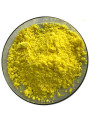
- Retinol (ActiveRelease Retinal, Product ID: 6979): A Vitamin A derivative (specifically Retinaldehyde in an encapsulated form) recognized for its anti-aging effects, particularly in reducing the appearance of wrinkles. The encapsulated form helps improve stability and reduce irritation.
- Dipotassium Glycyrrhizate (Product ID: 1070): A derivative of licorice extract used to reduce inflammation and allergies, helping to strengthen the skin.
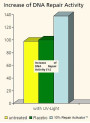
- Bifida Ferment Lysate (Product ID: 259): A repair activator derived from the fermentation of Bifida bacteria, shown to help repair skin DNA damaged by UVA light.
- Hydrolyzed Collagen (Collagen HP, Product ID: 7934): An ultra-miniature collagen combined with algae polysaccharide, found to enhance hydration and reduce wrinkles.
- Polysiphonia Elongata Extract: This is typically a red algae extract used for its potential moisturizing and antioxidant properties. Information for a specific product was not available.
- Tetrapeptide-26: Peptides are often used in cosmetics for their signaling properties, which can target various skin concerns like anti-aging or skin repair. Information for a specific product was not available.
Preservatives and Stabilizers
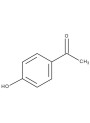
- Hydroxyacetophenone (Product ID: 4306): Functions as an antioxidant to maintain ingredient quality, has a soothing effect, and acts as a preservative booster.
- Phenoxyethanol (Product ID: 155): A widely used preservative effective against bacteria. It is often combined with other preservatives for broad-spectrum protection.
- Sodium Benzoate (part of Global Guard, Product ID: 879): A preservative component, often used in combination with Potassium Sorbate, particularly effective in formulations with a pH below 5.5.
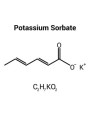
- Potassium Sorbate (Product ID: 843, part of Global Guard ID 879): A preservative component, often used in combination with Sodium Benzoate.
- Disodium EDTA (Product ID: 184): A chelating agent that binds to metal ions in water, preventing them from interfering with the stability and effectiveness of the formulation.
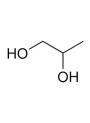
- Caprylyl Glycol (Product ID: 744): Used as a preservative booster and solvent, derived from coconut.
pH Adjusters
- Citric Acid (Product ID: 153): A natural acid used to lower the pH of cosmetic formulations.
- Potassium Hydroxide: A strong alkali typically used to raise the pH of cosmetic formulations, often used to neutralize Carbomer gels. Information for a specific product was not available.
Other
- Fragrance: Added to provide a pleasant scent to the product.
- Maltodextrin (Product ID: 10895): While often used as a texture modifier in food, it can also be used in cosmetics as a film-former or stabilizer.
Updated Review: May 2026
This section was added after reviewing the original answer against current product availability and formulation knowledge at the stated point in time.
Update as of 2026-05-24
Please distinguish Retinol from Retinal/Retinaldehyde. They are related Vitamin A derivatives, but they are not the same INCI ingredient. If the formula ingredient is truly Retinol, current MySkinRecipes retinol references include Retinol (100% Pure Powder) and Retinol (50% liquid). If the intended ingredient is Retinal/Retinaldehyde, relevant references include Retinal (Retinaldehyde) and Retinal-EZ™ (Encapsulated Water Dispersible Retinal). The older reference to ActiveRelease Retinal™ should therefore not be used to describe an ingredient simply listed as Retinol unless the formulator confirms that the intended material is actually retinal/retinaldehyde.
Retinal/retinaldehyde is one conversion step closer to retinoic acid than retinol, so the exact Vitamin A form should be selected according to INCI name, format, solubility/dispersion needs, pH range, processing, and the selected product’s instructions. Retinoids should be protected from light, heat, and air; avoid unsuitable heat or high-stress processing. Finished retinoid products can irritate some users, are usually positioned for night use, should be paired with daytime sunscreen, and should be avoided during pregnancy or breastfeeding unless advised by a physician.
Other current catalog clarifications: PEG-20 Methyl Glucose Sesquistearate remains an oil-in-water high-HLB emulsifier option. Global Guard™ K712 is suitable only for acidic formulas within its effective pH range; if final pH is above 5.5, preservative efficacy should not be assumed and challenge testing is still required. Dipotassium Glycyrrhizate should be described as a licorice-derived soothing/anti-irritant ingredient, not as a whitening active.
References: Mukherjee et al., Clinical Interventions in Aging 2006; Sorg et al., Dermatologic Therapy 2006; Fluhr et al., Dermatology 1999; Cosmetic Ingredient Review Expert Panel, International Journal of Toxicology 2007.
Related Products Mentioned
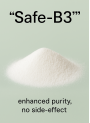
Safe-B3™ (Vitamin B3, Niacinamide)

Natural Bisabolol (Brazil Chamomile)
Citric Acid (Monohydrate, Natural)
Phenoxyethanol (Extra Pure)
Dimethicone (Medium/350, Low-Odor)
Polysorbate 20 (Tween 20)
Disodium EDTA
TreMoisture™ (Trehalose)
Butylene Glycol
Double Hyaluron Liquid

Dipropylene glycol
Carbomer 940 (EasyDisperse™, France)
Caprylyl Glycol (1,2-Octanediol)
Potassium Sorbate

Global Guard™ K712
PEG-20 Methyl Glucose Sesquistearate

ActiveRelease Retinal™
Collagen HP
Retinol (100% Pure Powder)
Retinol (50% liquid)