Gel Formulation for Oily, Acne-Prone Skin with Redness and Dehydration: Compatibility and Ingredient Questions
Question
My skin is very oily and dehydrated, with acne and redness. I am 22 years old.
I have a proposed gel formulation:
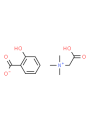
- Copper Peptide (GHK-Cu) 3%
- Safe-B3™ (Vitamin B3, Niacinamide) 5%
- White Egg Enzyme (Acnezyme™) 5%
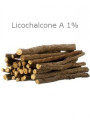
- Licorice Extract (Licochalcone A) 1%
- Azelaic Acid (Liquid Azelaic™) 10%
- Panthenol (Vitamin B5) ExtraLite™ 5%
I have the following questions:
- Is this formulation usable?
- I want to add an ingredient for clogged pores (from the "ละลายสิวอุดตัน" category) into this formula. Which one do you recommend?
- Can I use the ready-made base (Aloe Vera Gel (Lite)) in this formula?
- Please provide mixing instructions.
Any additional recommendations, such as which ingredients to remove or add, would be appreciated. Thank you.
Answer
Formulation Evaluation and Recommendations
Your proposed formula includes several excellent ingredients for addressing oily skin, acne, redness, and dehydration. Let's look at each component:
- Copper Peptide (GHK-Cu) 3%: This is beneficial for skin healing, reducing the appearance of acne scars, and reducing redness. The concentration is at the higher end of the recommended range for the 1000ppm solution, which is acceptable.
- Safe-B3™ (Vitamin B3, Niacinamide) 5%: Niacinamide is a fantastic ingredient for oily, acne-prone skin. It helps regulate oil production, reduce redness and inflammation, improve skin barrier function (addressing dehydration), and minimize the appearance of pores. 5% is a highly effective concentration.
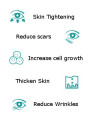
- White Egg Enzyme (Acnezyme™) 5%: This enzyme is included to target P. acnes bacteria, which contribute to acne. 5% is the maximum recommended usage rate.
- Licorice Extract (Licochalcone A) 1%: Known for its anti-inflammatory and anti-irritant properties, Licochalcone A is great for reducing redness associated with acne and irritation. 1% is within the recommended range for these benefits.
- Azelaic Acid (Liquid Azelaic™) 10%: Liquid Azelaic™ (Potassium azeloyl diglycinate) is effective for reducing acne, decreasing redness, controlling oiliness, and helping to fade post-acne marks. 10% is the maximum recommended and an effective concentration for these concerns.
- Panthenol (Vitamin B5) ExtraLite™ 5%: Panthenol is a humectant that helps hydrate and soothe the skin, reducing inflammation and supporting wound healing.
Now, let's address your specific questions:
Is this formula usable?
While the ingredients you've chosen are beneficial for your skin type, the proposed formula has some significant compatibility challenges, primarily related to the White Egg Enzyme (Acnezyme™) and the Aloe Vera Gel (Lite) base.- Compatibility Issue: White Egg Enzyme (Acnezyme™) is a cationic ingredient, meaning it has a positive charge. The Aloe Vera Gel (Lite) base contains "Pro Polymer Silk" and is explicitly stated to be incompatible with "Pro Polymer" and "any type of Gel Maker". Cationic ingredients like Acnezyme™ are often incompatible with anionic polymers or certain gel bases, which can cause instability (like clumping or thinning) and reduce the effectiveness of the enzyme.
- High Total Active Concentration: The total concentration of your active ingredients is very high (around 29% before considering the base). While some ingredients can be used at high percentages, combining this many actives at high concentrations can increase the risk of irritation and may affect the stability and texture of the final product.
- Panthenol Concentration: The Aloe Vera Gel (Lite) base already contains 3% Panthenol. Adding another 5% (total 8%) might make the final gel feel sticky, as Panthenol at concentrations above 5% can sometimes cause tackiness.
Therefore, as written, this formula is not recommended due to the incompatibility between Acnezyme™ and the Aloe Vera Gel (Lite) base.
Want to add an ingredient for clogged pores? Which one do you recommend?
For clogged pores, Salicylic Acid (BHA) is the most recommended ingredient. It is oil-soluble, allowing it to penetrate into pores and help loosen clogged material.
Given your gel formula and the need for water-soluble ingredients, I recommend using a water-soluble form of Salicylic Acid, such as Liquid Salicylic Acid or SalicSoft™ (Betaine Salicylate). These forms are easier to incorporate into water-based formulas compared to standard Salicylic Acid powder.
However, as mentioned earlier, your current formula already has a very high concentration of actives. Adding another active increases the total concentration and complexity. If you add Salicylic Acid, you might need to adjust the concentrations of other ingredients or choose a base specifically designed to handle high active loads.Can Aloe Vera Gel (Lite) be used as a base in this formula?
No, the Aloe Vera Gel (Lite) base is not compatible with your proposed formula, specifically because of the White Egg Enzyme (Acnezyme™). As explained above, Acnezyme™ is cationic and incompatible with components in the Aloe Vera Gel (Lite) base (like Pro Polymer Silk).Please provide mixing instructions.
Since the proposed formula with the Aloe Vera Gel (Lite) base is not compatible, I cannot provide mixing instructions for it.
If you choose to revise your formula using a compatible base (e.g., a simple gel base thickened with Hydroxyethyl Cellulose) and compatible ingredients, here are general mixing instructions for a water-based gel with water-soluble actives:- Ensure all your active ingredients are in a water-soluble form (like Liquid Azelaic™, Safe-B3™, Licorice Extract, D-Panthenol Care, and a water-soluble Salicylic Acid).
- Prepare your gel base according to its instructions (if using a thickener like Hydroxyethyl Cellulose, hydrate it in water first).
- Once the base is formed and at room temperature (below 40°C), gradually add your water-soluble active ingredients one by one.
- Stir gently but thoroughly after adding each ingredient until it is fully dissolved and uniformly dispersed before adding the next. Avoid excessive frothing.
- Add your preservative (if not already in the base) at the end, ensuring it is compatible with all ingredients and the pH of the formula.
- Check the final pH of the mixture to ensure it is within the optimal range for the stability and efficacy of all ingredients (aiming for a pH between 4.5 and 6.5 would likely be suitable for most of these ingredients, though Azelaic Acid is stable up to pH 11). Adjust pH if necessary using a compatible acid or base solution.
Additional Recommendations
Considering your skin concerns (oily, dehydrated, acne, redness, clogged pores), a revised formula focusing on the following could be highly effective and easier to formulate:
- Safe-B3™ (Niacinamide) (e.g., 5%) for oil control, pores, redness, and barrier support.
- Liquid Azelaic™ (e.g., 10%) for acne, redness, and oil control.
- Licorice Extract (e.g., 1%) for anti-inflammatory benefits and redness reduction.
- A water-soluble Salicylic Acid (e.g., Liquid Salicylic Acid or SalicSoft™ at 1-2%) for clogged pores and exfoliation.
- Panthenol (e.g., 1-2%) for hydration and soothing.
- A compatible gel base, such as one made with Hydroxyethyl Cellulose or a pre-made base known to be compatible with these types of actives.
Omitting the White Egg Enzyme (Acnezyme™) would simplify the formulation significantly and allow you to use a wider range of bases, including potentially the Aloe Vera Gel (Lite) (though you'd still need to consider the total active load and Panthenol concentration). The other ingredients already provide strong benefits for acne and inflammation.
Always perform a patch test before applying any new formulation to your entire face.
I hope this detailed evaluation and these recommendations are helpful! Let me know if you have any more questions or would like help with a revised formula structure.
Related Products Mentioned

Safe-B3™ (Vitamin B3, Niacinamide)
Salicylic Acid (BHA, Pharma Grade)

White Egg Enzyme (Acnezyme™)
Aloe Vera Gel (Lite)