Gel Serum Formulation Issues: Viscosity, Texture, and Yellowing
Question
I need advice on a formula. I want a concentrated gel serum texture that is moisturizing, comfortable on the skin, and fast-absorbing.
The formula I made resulted in a liquid-thick, uncomfortable texture and also turned yellow very quickly, despite using several preservatives and stabilizers. I would like advice on the formula.
Ingredients used:
- Activated Resorcinol™ 1%
- Protec™ SQ 5%
- Phospholipid
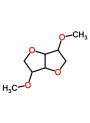
- Dimethyl Isosorbide (DMI)
- 1,2-Hexanediol
- Laurocapram
- Pure-Apigenin™
- Tocotrienols
- pentylene glycol
- Caprylyl Glycol
- Mild Preserved Eco™
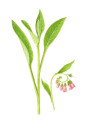
- Allantoin
- Hyaluronic Acid
- PaeoniaPreserve™
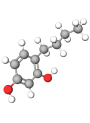
- Ethylhexylglycerin
- Protec™ OX
- Eye Preserved™
- Protec™ UV
- Thyme Kill™
Answer
Formulation Advice for Gel Serum
You're looking to create a concentrated, moisturizing, comfortable, and fast-absorbing gel serum, but your current formulation is too viscous, uncomfortable, and yellows quickly. Based on the ingredients you've listed, here's an analysis and recommendations:
Addressing Texture Issues (Viscous, Uncomfortable, Slow Absorption)
The primary culprit for the thick, potentially sticky texture is likely Hyaluronic Acid. While excellent for hydration, using a high concentration or certain molecular weights (like Standard or Large) can result in a viscous gel that feels heavy or takes time to absorb. You are using Double Hyaluron Liquid, which contains both Nano and Standard sizes. The Standard size contributes to gelling.
Recommendations for Texture:
- Reduce Hyaluronic Acid Concentration: Consider lowering the percentage of Double Hyaluron Liquid. The description suggests 3-5% for normal skin. If you are using a higher amount, reducing it should significantly improve the texture and absorption speed.
- Review Glycols and Penetration Enhancers: Ingredients like Dimethyl Isosorbide (DMI), 1,2-Hexanediol, Pentylene Glycol, Caprylyl Glycol, and Ethylhexylglycerin can also influence skin feel. While they aid penetration and hydration, high total concentrations might contribute to tackiness. Ensure their usage rates are appropriate and balanced for a light feel.
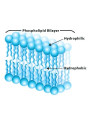
- Check Phospholipid Concentration: Phospholipid can also increase viscosity at higher concentrations (0.5-3%). Review its percentage in your formula.
Addressing Rapid Yellowing
The rapid yellowing is almost certainly due to the oxidation of Activated Resorcinol. This ingredient is known to be sensitive to light and oxidation, which causes discoloration.
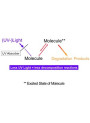
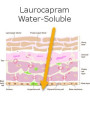
You are using several ingredients to help with stability and preservation, including Protec™ SQ, Phospholipid, Dimethyl Isosorbide (DMI), 1,2-Hexanediol, Laurocapram, Pure-Apigenin™, Tocotrienols, Pentylene Glycol, Caprylyl Glycol, Ethylhexylglycerin, Mild Preserved Eco™, Allantoin, PaeoniaPreserve™, Protec™ OX, Protec™ UV, Eye Preserved™, and Thyme Kill™. While this is a comprehensive list, the yellowing indicates the antioxidant system isn't fully protecting the Activated Resorcinol.
Recommendations for Preventing Yellowing:
- Add a Chelating Agent: Include a chelating agent like Disodium EDTA in your formula. This helps by binding metal ions that can catalyze the oxidation of Activated Resorcinol.
- Optimize pH: Ensure your formula's pH is within the optimal range for Activated Resorcinol stability (typically slightly acidic, around 4.5-5.5).
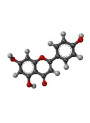
- Review Antioxidant Levels: While you have Protec™ OX, Tocotrienols, Pure-Apigenin™, and PaeoniaPreserve™, consider if their concentrations are sufficient and working synergistically to protect Activated Resorcinol.
- Packaging: Use opaque and airless packaging to minimize exposure to light and air, which are major factors in Activated Resorcinol degradation.
By adjusting the concentration of Hyaluronic Acid and strengthening the antioxidant system, particularly by adding a chelating agent and optimizing pH, you should be able to achieve the desired light texture and prevent the rapid yellowing of your serum.
Related Products Mentioned
Allantoin
Double Hyaluron Liquid

Ethylhexylglycerin
Caprylyl Glycol (1,2-Octanediol)
Mild Preserved Eco™ (Preservative-Free)
Pure-Apigenin™
Phospholipid
Protec™ SQ
Laurocapram (Water Soluble)
Pentylene Glycol (Low-Odor)

PaeoniaPreserve™ (Natural Preservative)
Tocotrienols (Oil, 50%, Cosmetics)