Hair Conditioner Thinning and Stability Issues with Preservative
Question
My hair conditioner formula thins drastically after adding Phenoxyethanol SA. The viscosity also decreases over time (after about a month). What is causing this, and what is the solution?
Answer
Hair Conditioner Formulation Issues and Solutions
It appears you are experiencing two related issues with your hair conditioner formula:
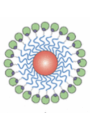
Viscosity loss over time: The initial decrease in viscosity after a month suggests potential long-term stability issues with the formula's structure. Hair conditioners often rely on a lamellar gel network formed by cationic surfactants (like BTAC and CTAC) and fatty alcohols (like Cetyl Alcohol) to achieve viscosity. The stability of this network can be affected by various factors over time, including temperature fluctuations, ingredient interactions, and pH.
Thinning upon adding Phenoxyethanol SA: The drastic thinning when adding Phenoxyethanol SA indicates a direct incompatibility between this preservative blend and your formula, particularly the cationic conditioning system (BTAC and CTAC). Phenoxyethanol SA contains Sorbic Acid, which is an organic acid. Organic acids can interact negatively with cationic ingredients, disrupting the lamellar gel structure responsible for the conditioner's thickness, causing it to become watery.
Solution: Substituting the Preservative
As you and the staff have discussed, substituting Phenoxyethanol SA with a more compatible preservative is the correct approach. Mild Preserved Eco™ is a suitable alternative for your formula.
Mild Preserved Eco™ (a blend of Ethylhexylglycerin and 1,3 Propanediol) is generally more compatible with cationic systems like the one in your conditioner. It also has a wider effective pH range (4-9) compared to Phenoxyethanol SA's optimal range (2.0-6.0), which reduces the risk of incompatibility issues.
How to Use Mild Preserved Eco™:
- Use Mild Preserved Eco™ at a rate of 1.0-1.5% in your formula.
- Add it in the final step of your formulation process, after the emulsion has formed and cooled.
- Ensure the formula's pH is within the 4-9 range for optimal performance.
- Mild Preserved Eco™ can be dissolved in water by blending or blended directly into the cooled formula.
By replacing Phenoxyethanol SA with Mild Preserved Eco™, you should resolve the immediate thinning issue caused by the preservative.
Addressing Long-Term Viscosity
To improve the long-term viscosity stability, you might need to further optimize the ratio of Cetyl Alcohol to BTAC and CTAC, or refine your mixing procedure to ensure a robust lamellar gel network is formed during emulsification. However, resolving the preservative incompatibility is the first critical step.
Related Products Mentioned

Allantoin
Propylene Glycol (USP)
Cetrimonium Chloride (CTAC)
Cetyl Alcohol

Phenoxyethanol SA (eq. Optiphen Plus)
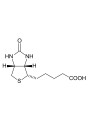
Pure-Biotin™
Mild Preserved Eco™ (Preservative-Free)
Behentrimonium Chloride (BTAC)
Hydrolyzed Pea Protein (High-Peptide)