High-Foaming, SLS-Free Bubble Bath Formulation and Preservation
Question
I want a formula for a bubble bath for a regular bathtub. I want lots of foam and for it to be free from substances like sls. It can be in powder or gel form. Also, if it's not using [url=http://www.myskinrecipes.com/shop/34-%E0%B8%AA%E0%B8%B2%E0%B8%A3%E0%B8%81%E0%B8%B1%E0%B8%99%E0%B9%80%E0%B8%AA%E0%B8%B5%E0%B8%A2:2jyi58p8]preservatives[/url:2jyi58p8], would that be okay since I'm making it for personal use, or is it necessary? If necessary, which one should I use? Please advise. Thank you.
Answer
High-Foaming, SLS-Free Bubble Bath Formula
For those who want to make bubble bath at home with abundant foam and free from SLS, you can choose to use other gentler foaming agents. It can be made in both powder and gel forms.
Recommended Foaming Agents (SLS-Free)
To achieve rich and soft foam without using SLS, you can combine several types of gentle surfactants. Examples of interesting foaming agents include:
- Cocamidopropyl Betaine: An amphoteric surfactant that is mild and helps create soft and fine foam. It is often used as a co-surfactant to boost foam quality.
- IseFoam™ (Sodium Lauroyl Methyl Isethionate): A very gentle cleansing agent that produces good foam. It is popular in products requiring high mildness.
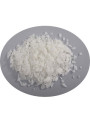
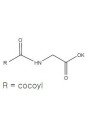
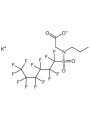
- Sodium Cocoyl Glycinate and Potassium Cocoyl Glycinate: Cleansing agents derived from amino acids, providing abundant lather and helping to moisturize the skin.
Additionally, there are Glucoside surfactants like Lauryl Glucoside, Coco Glucoside, and Decyl Glucoside, which are very mild and can be used instead of SLS. However, this group of substances typically doesn't produce much foam on its own, so it should be used in combination with foaming agents that can boost foam, such as Cocamidopropyl Betaine, to achieve the desired foam level.
Necessity of Preservatives in Homemade Products
Even if the product is made for personal use, if the formula contains water, it is absolutely necessary to use a preservative to prevent the growth of microorganisms such as bacteria, fungi, and yeast. Contamination can occur during production or during use. Microbial contamination in the product can lead to spoilage, unpleasant odors, or may cause irritation or infection when applied to the skin.
Recommended Preservatives
The choice of preservative depends on the product form (powder or gel) and the desired pH range:
- For Powder Formulas:
- NaturePreserve™ Ultra (Gluconolactone & Sodium Benzoate): A 100% natural preservative in powder form, suitable for powder or dry products. It works well in the pH range of 3-6 and is heat tolerant.
- For Gel Formulas (containing water):
- Global Guard™ 221 (Dehydroacetic Acid & Benzyl Alcohol & Water): A water-soluble broad-spectrum preservative effective against a wide range of microbes. It works in the pH range of 2-7. It should be added when the formula temperature is below 45°C.
- Mild Preserved™ COS (Phenoxyethanol & Chlorphenesin & Caprylyl Glycol): A water-soluble broad-spectrum preservative that works in a wide pH range of 2-8 and is odorless. It should be added when the formula temperature is below 45°C.
- NaturePreserve™ LB2 (Dehydroacetic Acid & Benzoic Acid & Benzyl Alcohol & Water): A natural preservative that is effective against bacteria and fungi, especially at low pH values (2.0-6.5). Avoid temperatures exceeding 50°C.
Combining several foaming agents in appropriate proportions will help create a bubble bath that is high-foaming, soft, and gentle on the skin, without SLS. And don't forget to include a preservative at the recommended usage rate for the safety of your homemade product.
Related Products Mentioned
Cocamidopropyl Betaine
Lauryl Glucoside
Coco Glucoside

Sodium Cocoyl Glycinate
Decyl Glucoside
Potassium Cocoyl Glycinate (Pure Solid)
Global Guard™ 221 (pH 2-7, Natural)