Homemade Serum Formulation for Oily Skin, Acne, and Wrinkles
Question
Hello,
User's Skin Type: Oily skin with occasional clogged pores, approaching age 40, and wants to address wrinkles.
Goal: To make a homemade serum (not for sale) without a mixer or heating equipment.
Proposed Formulation:
Oil Phase:
- Bakuchiol 2%
- LipidSoft™ Dry II 7%
Water Phase:
- ActiveRelease Retinal™ 5%
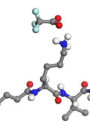
- Pep®-Coll 5%
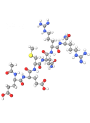
- Argireline 10%
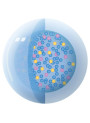
- Encapsulated Salicylic Acid (Powder, Timed-Release) 4%
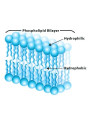
- Phospholipid 1%
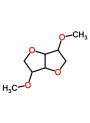
- Dimethyl Isosorbide (DMI) 3%
- Disodium EDTA 0.20%
- Satin Cream Maker 1%
- Water 61.80%
Proposed Mixing Steps:
- Mix the Water phase ingredients together (except ActiveRelease Retinal™ and Encapsulated Salicylic Acid, which will be added last as they disperse, not dissolve).
- Mix the Oil phase ingredients together, then slowly pour into the Water phase little by little, stirring to combine.
- Mix ActiveRelease Retinal™ and Encapsulated Salicylic Acid into the formula, stirring to disperse thoroughly.
- Store in an opaque container because ActiveProtec or Protec UV were not included.
Questions:
- Are there any incompatible ingredients in the formula above (e.g., ingredients that might cause problems during mixing)?
- The desired texture is soft, smooth, lightweight, and fast-absorbing. Is this achievable with the proposed ingredients? (Want to avoid silicones, hence using LipidSoft™ Dry II instead).
- Are there any special precautions needed during the mixing steps?
Thank you for all your advice.
Answer
Serum Formulation Feedback
Here is an assessment of your serum formulation for oily skin with clogged pores and wrinkles, considering your ingredients and mixing method.
1. Ingredient Compatibility
Based on the ingredients you plan to use, the formulation appears generally compatible.
- Emulsification: You are using Satin Cream Maker, which is a heat-free emulsifier suitable for your method. It can handle up to 25% oil phase, and your oil phase (Bakuchiol + LipidSoft Dry II) is 9%, which is well within this limit.
- Penetration Enhancer: Dimethyl Isosorbide (DMI) is a good choice to help deliver the active ingredients into the skin.
- Chelating Agent: Disodium EDTA is included, which is important, especially with Bakuchiol, to chelate metal ions in the water and help maintain stability.
- Active Ingredients: The combination of Bakuchiol, ActiveRelease Retinal, Pep®-Coll, Argireline, and Encapsulated Salicylic Acid targets both wrinkles and clogged pores. Bakuchiol can also help stabilize Retinal.
Potential Consideration: While the ingredients are chemically compatible, the high concentration of multiple potent actives (Retinal 5%, Encapsulated Salicylic Acid 4% equivalent to 1.6% Salicylic Acid, Bakuchiol 2%) might be irritating for some skin types, especially oily skin prone to breakouts. It is highly recommended to start with lower concentrations or use the serum on alternate nights to assess skin tolerance.
Critical Omission: Your formula does not include a preservative. Since this is a water-based formula with multiple ingredients, a preservative is essential to prevent microbial growth and ensure the safety and stability of the product over time. You must add a suitable broad-spectrum preservative system.
2. Expected Texture
You are aiming for a soft, smooth, lightweight, and fast-absorbing texture, avoiding silicones.
- LipidSoft™ Dry II: This emollient is specifically designed to provide a lightweight, dry feel and reduce stickiness, which aligns perfectly with your goal of a fast-absorbing, non-greasy serum.
- Satin Cream Maker: At 1%, this emulsifier typically creates a light cream or serum-cream texture, providing softness and smoothness without being heavy.
- DMI: As a solvent, DMI can also contribute to a lighter feel and faster absorption.
- Phospholipid: This can add a nice skin feel and potentially some viscosity, but at 1%, it's unlikely to make the texture heavy.
Overall, the combination of LipidSoft Dry II and Satin Cream Maker, along with DMI and the water base, should result in a texture that is lightweight, smooth, and absorbs relatively quickly, achieving your desired feel without silicones. It will likely be a serum-cream rather than a watery serum due to the oil phase and emulsifier.
3. Mixing Steps Precautions
Your proposed mixing steps are generally logical for a heat-free emulsification system, but some important precautions are needed:
Step 1 (Water Phase):
- Add Disodium EDTA to the water first and stir until fully dissolved before adding other water-soluble ingredients.
- Ensure Satin Cream Maker and Phospholipid are thoroughly dispersed in the water phase. While high-speed mixing isn't available, stir vigorously to minimize lumps and ensure even distribution before adding the oil phase. Phospholipid requires good dispersion to function effectively.
- You can add Pep®-Coll and Argireline in this step as long as the water temperature is below 40°C. Adding them later with Retinal is also acceptable if you prefer to add all temperature-sensitive actives together.
- Encapsulated Salicylic Acid can be added here as it withstands heat up to 80°C, but adding it with Retinal at the end is safer for the heat-sensitive ingredients.
Step 2 (Oil Phase & Emulsification):
- Mix Bakuchiol and LipidSoft Dry II in the oil phase.
- When combining the phases, slowly pour the oil phase into the water phase while continuously and thoroughly stirring. This is crucial for the Satin Cream Maker to properly emulsify the mixture and form a stable serum-cream. Continue stirring until a homogeneous texture is achieved.
Step 3 (Adding Actives):
- Ensure the temperature of the mixture is below 40°C before adding ActiveRelease Retinal™, Pep®-Coll, and Argireline. These ingredients are heat-sensitive.
- Add the Encapsulated Salicylic Acid here as planned.
- Stir well to disperse these ingredients evenly throughout the serum. Since Retinal and Encapsulated Salicylic Acid are dispersed rather than dissolved, thorough mixing is needed to prevent settling.
- Add your chosen preservative in this step or according to the preservative supplier's instructions, ensuring the temperature is suitable for the preservative.
Step 4 (Storage):
- Storing the final product in an opaque, airtight container is essential to protect the light-sensitive ingredients like ActiveRelease Retinal™ and Bakuchiol from degradation.
Summary of Key Precautions:
- Add Preservative: This is critical for product safety and stability.
- Temperature Control: Ensure the mixture is below 40°C when adding ActiveRelease Retinal™, Pep®-Coll, and Argireline.
- Thorough Dispersion: Vigorously stir to disperse Satin Cream Maker and Phospholipid in the water phase and to incorporate the oil phase slowly. Thoroughly mix the final actives (Retinal, Salicylic Acid) into the finished serum.
- Storage: Use an opaque, airtight container.
By following these steps and precautions, you should be able to create your desired serum formulation at home.
Related Products Mentioned
Acetyl Hexapeptide-8 (eq Argireline)
Pep®-Coll (Palmitoyl tripeptide-5)
Disodium EDTA

Satin Cream Maker™
Phospholipid
LipidSoft™ Dry II (Dicaprylyl Carbonate)