Homemade Serums: Color Change, pH Adjustment, and Ingredient Dissolution Issues
Question
I have purchased several ingredients and would like to make two light serums for personal use: one for Antioxidant + Sebum Control and another for Moisturizer + Skin Barrier. I need advice regarding the ingredients and issues encountered with both formulas.
Formula 1: Antioxidant + Sebum Control (20ml)
- After mixing for just 1 day, the color changed to grey from an initially cloudy white. Please review the formula and advise what went wrong and how to fix it. (Images are attached).
- I mixed Vitamin E with 1,2-Hexanediol separately before combining with the main ingredients. I understood that it could be dissolved in an oil-in-water formula, but it didn't dissolve well during mixing. How can I fix this? (I saw that The Ordinary uses Hexanediol and Propanediol as carriers and I like their texture, so I tried using them).
- Please provide recommendations on adjusting the percentages of any ingredients (increase or decrease).
- Water - 75.5% (15.1ml) (Room temperature drinking water)
- Glycerin - 7% (1.4ml)
- 4D Hyaluronic Acid - 3% (0.6ml)
- 1,2-Hexanediol - 3% (0.6ml)
- Niacinamide - 3% (0.6ml)
- Calcium Pantothenate - 1.5% (0.3ml)
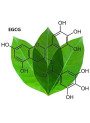
- Greentea EGCG - 1.5% (0.3ml)
- Zinc PCA - 1% (0.2ml)
- L-Carnitine - 1% (0.2ml)
- Licorice extract - 1% (0.2ml)
- Vitamin E (dl-alpha Tocopherol) - 1% (0.2ml)
- 1,3-Propanediol - 1% (0.2ml)
- Mild Preserve Eco - 0.5% (0.1ml)
Formula 2: Moisturizer + Skin Barrier (20ml)
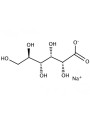
- After mixing, the pH measured 8-9. I tried adding Sodium Gluconate from 1-3%, but the pH did not decrease. How can I lower the pH to 5-6?
- I mixed Idebenone with Hexanediol, but the mixture did not dissolve well. Is there a way to dissolve it without using oil?
- Please provide recommendations on adjusting the percentages of any ingredients (increase or decrease).
- Water - 71% (14.2ml) (Room temperature drinking water)
- Glycerin - 10% (2ml)
- Snail Secretion filtrate - 3% (0.6ml)
- 1,2-Hexanediol - 3% (0.6ml)
- Ectoin - 2% (0.4ml)
- beta glucan - 2% (0.4ml)
- Glycosaminoglycans Complex - 2% (0.4ml)
- 4D Hyaluronic Acid - 2% (0.4ml)
- Phytosphingosine - 1% (0.2ml)
- Sodium PCA - 1% (0.2ml)
- 1,3-Propanediol - 1% (0.2ml)
- Calcium Pantothenate - 0.5% (0.1ml)
- Madecassoside-80 - 0.5% (0.1ml)
- Idebenone - 0.5% (0.1ml)
- Mild Preserve Eco - 0.5% (0.1ml)
Mixing Phases for Formula 2:
- Phrase A: Mild Preserve Eco (0.1ml), Water (14.2ml), Glycerin (2ml), Ectoin (0.4ml), HA (0.4ml), Phytosphingosine (0.2ml), Sodium PCA (0.2ml), 1,3 propane (0.2ml), B5 (0.1ml)
- Phrase B: 1,2 hexane (0.6ml), Idebenone (0.1ml)
- Phrase C: Snail (0.6ml), beta glucan (0.4ml), Glycosamin (0.4ml), Madecassoside (0.1ml)
Thank you.
Answer
Hello!
Thank you for your detailed questions and formulas. I understand the challenges you're facing with your homemade serums. It's common to need adjustments to achieve the desired texture, efficacy, and stability.
Based on the ingredients and issues you described, here are my recommendations for each formula:
Antioxidant + Sebum Control Serum
Grey Color Change:
- The color change is likely due to oxidation of some ingredients, particularly antioxidants like EGCG and Vitamin E (dl-alpha Tocopherol), as well as natural extracts like Licorice extract.
- Using regular drinking water might introduce minerals or impurities that react with your ingredients. I recommend using distilled or deionized water for cosmetic formulations.
- Ensure proper storage for sensitive ingredients like EGCG, Vitamin E, and Licorice extract (often requiring cool, dark storage) to help prevent degradation and color change.
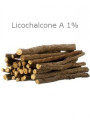
- If you used the Licochalcone A type of Licorice extract (which is a brown liquid), the initial color might not have been purely cloudy white. If it turned grey, it suggests an undesirable reaction.
Vitamin E Dissolution Issue:
- The Vitamin E you used is dl-alpha Tocopherol, which is oil-soluble. 1,2-Hexanediol and 1,3-Propanediol are primarily water-miscible solvents/humectants, not ideal solvents for oil-soluble substances.
- Therefore, it's expected that the Vitamin E did not dissolve well in 1,2-Hexanediol.
- To incorporate oil-soluble Vitamin E into a water-based formula without a significant oil phase, you can try dissolving the Vitamin E in a small amount of a suitable solvent like Ethanol before adding it to the main formula. Alternatively, consider using a water-soluble form of Vitamin E if available.
- Regarding The Ordinary using Hexanediol/Propanediol as carriers, they might be using them for water-soluble actives, or their formulations might be emulsions with a small oil phase that helps solubilize oil-soluble ingredients.
Percentage Recommendations:
- Niacinamide (3%): Appropriate for sebum control and antioxidant benefits (recommended 1-10%, optimal 5%).
- 4D Hyaluronic Acid (3%): Suitable for normal to dehydrated skin (recommended 2-5% for normal skin).
- EGCG (1.5%): Within the recommended range for reducing skin oiliness (recommended 1-2% for oil control).
- Zinc PCA (1%): At the higher end of the recommended range for oily skin/acne (recommended 0.2-1.0%, 1.0% for oily skin/acne). It's effective, but ensure the final pH is within its optimal solubility range (pH 4-6).
- L-Carnitine (1%): Helps with cell turnover and reducing oiliness (recommended 1-5%, optimal 3%). 1% provides benefits, but you could consider increasing to 2-3% for enhanced oil control.
- Licorice extract (1%): Good for reducing inflammation and potentially controlling oil (recommended 0.5-3%, 0.5-1.0% for oiliness/acne/inflammation). 1% is appropriate.
- Vitamin E (dl-alpha Tocopherol) (1%): A good antioxidant for the skin (recommended 0.1-2%). The main challenge is its solubility in this formula.
- 1,2-Hexanediol (3%) and 1,3-Propanediol (1%): Function as solvents, humectants, and preservative boosters. The amounts are reasonable, though 1% Propanediol is a bit low for significant humectant or skin-feel contribution.
- Mild Preserve Eco (0.5%): This is a preservative blend (recommended 0.5-2.0%). For a water-based formula with multiple natural ingredients, 0.5% might be insufficient for effective long-term preservation. I recommend increasing it to 1.0-1.5% for better microbial protection.
Moisturizer + Skin Barrier Serum
High pH (8-9) and pH Adjustment:
- The high pH is likely due to the natural pH of some ingredients like L-Carnitine (pH 7.5-9.5), Calcium Pantothenate (pH 6.8-8.0), and Snail Secretion Filtrate (pH 6.5-8).
- Sodium Gluconate is a chelating agent, not typically used as a primary pH adjuster.
- Key ingredients like Zinc PCA (optimal solubility pH 4-6) and Madecassoside (recommended pH 4-6.5) function best in a slightly acidic to neutral pH range. A pH of 8-9 will reduce their efficacy and may cause Zinc PCA to precipitate.
- To lower the pH, you need to use an acidic solution like a 10% Citric Acid Solution or Lactic Acid Solution. Add it drop by drop, mixing thoroughly, and measuring the pH frequently with your pH meter until you reach your target pH of 5-6. Caution: Adding too much acid can lower the pH excessively and cause skin irritation. Adjust slowly and carefully.
Idebenone Dissolution Issue:
- Idebenone is soluble in oil or Ethanol. 1,2-Hexanediol is not a suitable solvent for Idebenone powder.
- As you noted in your mixing phases, attempting to dissolve Idebenone in 1,2-Hexanediol separately is the reason it didn't dissolve well.
- To dissolve Idebenone without oil, dissolve the Idebenone powder in a small amount of Ethanol before combining it with the other phases.
Percentage Recommendations and Mixing:
- Glycerin (10%): A high percentage, excellent for providing moisture.
- Snail Secretion filtrate (3%): Within the usable range (recommended 1-8%, optimal 3-5%).
- 1,2-Hexanediol (3%) and 1,3-Propanediol (1%): Function as solvents, humectants, and preservative boosters.
- Ectoin (2%): At the recommended optimal rate (0.5-2.0%, optimal 2.0%). Great for barrier protection and hydration.
- beta glucan (2%): Helps soothe irritation and boost skin immunity (recommended 1-10%, optimal 3% or 5% for sensitive skin). 2% provides benefits, but you could consider increasing it for enhanced soothing.
- Glycosaminoglycans Complex (2%): Helps strengthen the skin barrier and reduce wrinkles (recommended 1-5%, optimal 3%). 2% provides benefits, but consider increasing to 3% for enhanced barrier support.
- 4D Hyaluronic Acid (2%): Suitable for normal to dehydrated skin (recommended 2-5% for normal skin).
- Phytosphingosine (1%): A key component of the skin barrier with anti-microbial properties (recommended 0.05-0.1%, optimal 0.1%). Your usage rate of 1% is significantly higher than recommended. Phytosphingosine is soluble in organic solvents (like glycols or oils) and should be dissolved in a small amount of glycol or oil before being incorporated into the water phase. Using 1% will likely be very difficult to dissolve and may affect the formula's texture. I strongly recommend reducing the amount to the recommended range (0.05-0.1%) and dissolving it in 1,2-Hexanediol or 1,3-Propanediol before adding to Phrase A.
- Sodium PCA (1%): Part of the NMF, provides good hydration (recommended 0.5-2%). 1% is appropriate.
- Calcium Pantothenate (0.5%): Provides moisture and reduces irritation (recommended 0.1-3%). 0.5% is within the usable range.
- Madecassoside-80 (0.5%): Helps reduce inflammation, stimulate collagen, and improve acne scars/redness (recommended 0.1-2%, optimal 1%). 0.5% provides benefits, but consider increasing to 1% for enhanced results, keeping the target pH (4-6.5) in mind.
- Idebenone (0.5%): A potent antioxidant (recommended 0.1-1%, optimal 0.5%). The percentage is appropriate, but proper dissolution is key.
- Mild Preserve Eco (0.5%): Similar to the first formula, 0.5% may be insufficient for effective preservation in a complex water-based formula. Increase to 1.0-1.5% for better microbial protection.
- Mixing Order (based on your Phrases):
- Phrase A: Dissolve the Phytosphingosine in a small amount of 1,2-Hexanediol or 1,3-Propanediol first, then add this mixture to the other ingredients in Phrase A.
- Phrase B: Dissolve the Idebenone powder in a small amount of Ethanol before combining it with the other phases.
- Phrase C: Mix as usual.
- After combining Phrase A (with dissolved Phytosphingosine), Phrase B (with dissolved Idebenone), and Phrase C, adjust the pH using a 10% Citric Acid or Lactic Acid solution until you reach pH 5-6.
Summary of Recommendations:
For both formulas:
- Use distilled or deionized water instead of drinking water.
- Consider increasing Mild Preserve Eco to 1.0-1.5% for better preservation.
- Store sensitive ingredients (EGCG, Vitamin E, Licorice extract) properly in a cool, dark place.
Antioxidant + Sebum Control:
- Address color change by using pure water and proper storage. Consider dissolving Vitamin E in Ethanol or using water-soluble Vitamin E.
- Consider increasing L-Carnitine to 2-3% for enhanced oil control.
Moisturizer + Skin Barrier:
- Adjust pH to 5-6 using a 10% Citric Acid or Lactic Acid solution.
- Dissolve Idebenone in Ethanol before adding to the formula.
- Reduce Phytosphingosine to 0.05-0.1% and dissolve it in 1,2-Hexanediol or 1,3-Propanediol before adding to the water phase.
- Consider increasing Beta Glucan and Glycosaminoglycans Complex to 3%, and Madecassoside to 1% for enhanced benefits.
I hope these suggestions help you refine your formulas! Please let me know if you have any further questions.
Related Products Mentioned
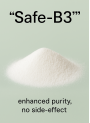
Safe-B3™ (Vitamin B3, Niacinamide)
Vitamin E (dl-alpha tocopherol)
Sodium PCA 50%
L-Carnitine (Carnitine)
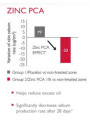
Zinc PCA
Snail Secretion
Mild Preserved Eco™ (Preservative-Free)
Glycosaminoglycans Complex
Ectoine (Ectoin, from Bio-fermentation)
Pure-EGCG™ (Green Tea Extract, 98% EGCG)
Calcium Pantothenate
Phytosphingosine (90% Purity)
4D Hyaluronic Acid
Sodium Gluconate