Hypoallergenic Herbal Dog Shampoo Formulation
Question
Based on the following experimental formula for a hypoallergenic herbal dog shampoo targeting sensitive, itchy skin, odor reduction, and soft, tangle-free fur, what additional ingredients are needed or what amounts should be adjusted? The formula is: 1. Boiled water with kaffir lime peel (no flesh) = 500 ml, 2. Boiled water = 1000 ml, 3. Turmeric extract / ทองพันช่าง / Aloe Vera extract = 5%, 4. Plantacare 1200 UP = 200 ml, 5. Amphitol AB 55 = 50 ml, 6. Aminon C-02S = 50 ml. Additionally, can Star Anise Extract (Illicium verum) be used in dog shampoo for odor reduction? Are items 4-6 available for purchase from the store, or are there alternative ingredients that can be used?
Answer
Guidance for Hypoallergenic Dog Shampoo Formula
Creating a gentle, herbal-based shampoo for dogs with sensitive and itchy skin requires careful selection of ingredients. Your goal of focusing on herbal extracts for skin soothing, odor control, and conditioning is excellent for this purpose.
Let's look at your proposed formula and how to enhance it:
Your current formula includes:
- Boiled water with kaffir lime peel (no flesh)
- Boiled water
- Herbal extracts (Turmeric, ทองพันช่าง, Aloe Vera) at 5%
- Plantacare 1200 UP
- Amphitol AB 55
- Aminon C-02S
Herbal Extracts
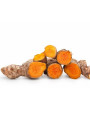
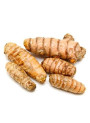
- Turmeric Extract: Turmeric extract, such as WhiteCumin™ 2x or WhiteCumin™, is known for its antioxidant and anti-inflammatory properties, which can be beneficial for soothing irritated skin. Using a high-purity, colorless or light-colored version is good for maintaining the shampoo's appearance.
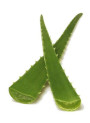
- Aloe Vera Extract: Aloe Vera Extract is excellent for moisturizing and reducing irritation, making it a great addition for sensitive skin.
- ทองพันช่าง (Rhinacanthus nasutus): While traditionally used, I couldn't find a specific extract product for ทองพันช่าง in our database. You might need to source this ingredient elsewhere or consider other extracts with similar soothing properties if a commercial extract is not available.
- Kaffir Lime Peel Water: Using boiled water with kaffir lime peel can contribute natural cleansing and deodorizing properties.
Your inclusion of these extracts at 5% is a good starting point. The optimal percentage may depend on the specific extract concentration and desired effect.
Surfactants
The surfactants you listed are commonly used in gentle cleansing products:
- Plantacare 1200 UP: This is a trade name for Decyl Glucoside, a very mild, non-ionic surfactant derived from natural sources. It's a good choice for sensitive skin formulas.
- Amphitol AB 55: This is a trade name for Cocamidopropyl Betaine, an amphoteric surfactant that is gentle and helps boost foam and mildness when used with other surfactants.
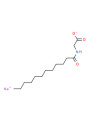
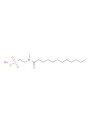
- Aminon C-02S: This is likely a trade name for an amino acid-based surfactant like Sodium Lauroyl Methylaminopropionate. Gentle amino acid-based surfactants such as Sodium Lauroyl Glycinate or Sodium Lauroyl Methyl Taurate are known for their mildness and good foaming properties, making them suitable for hypoallergenic formulas.
These surfactants are generally available. Decyl Glucoside and Cocamidopropyl Betaine are standard mild surfactants. Gentle amino acid-based surfactants like Sodium Lauroyl Glycinate and Sodium Lauroyl Methyl Taurate are also available and would be good alternatives or additions for extra mildness.
Your combination of these surfactant types (non-ionic, amphoteric, and potentially amino acid-based) is a good approach for creating a gentle yet effective cleansing system.
Formula Considerations and Enhancements
- Concentration: The percentages of surfactants (200ml, 50ml, 50ml) relative to the water volume (1500ml total) seem to result in a relatively low total surfactant concentration. A typical gentle shampoo might have a total active surfactant matter around 10-20%. You may need to adjust the amounts of your surfactants to achieve adequate cleansing and foaming while maintaining mildness.
- Conditioning: To achieve soft, tangle-free fur, you should add a conditioning agent. Ingredients like Hair-Cond™ SM (a small particle dimethicone emulsion) or other hair conditioning polymers (Polyquaternium series) can provide excellent conditioning benefits without weighing down the coat.
- pH Adjustment: The pH of the final shampoo is crucial for both the dog's skin health and the stability/performance of the ingredients. Dog skin has a slightly different pH than human skin, typically ranging from 6.2 to 7.4. Aiming for a pH in this range is recommended. You may need to use a pH adjuster like Citric Acid or Lactic Acid.
- Preservation: Since your formula contains water and natural extracts, a preservative system is essential to prevent microbial growth and ensure product safety and shelf life. Choose a broad-spectrum preservative suitable for the target pH range.
- Thickening: You may need a thickener to achieve a desirable shampoo consistency. Options include natural gums (like Xanthan Gum) or synthetic polymers.
Star Anise Extract for Odor Control
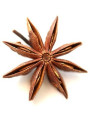
Yes, Star Anise Extract (Illicium verum) can be used in dog shampoo for odor control. Its active component, Shikimic Acid, works by inhibiting the enzymes that produce fatty acids, which are a cause of body odor, and also has antimicrobial properties. This makes it suitable for reducing odor-causing bacteria on the skin. Note that Star Anise Extract powder is best dissolved in water with a low pH (below 6) before adding to the main formula.
Suggested Formula Structure (Conceptual)
Here is a conceptual structure for a gentle dog shampoo, incorporating your ideas and suggested additions:
- Water Phase: Purified water, boiled water with kaffir lime peel.
- Surfactants: Decyl Glucoside (Plantacare 1200 UP), Cocamidopropyl Betaine (Amphitol AB 55), and/or a gentle amino acid surfactant (like Sodium Lauroyl Glycinate or Sodium Lauroyl Methyl Taurate). Adjust percentages for desired cleansing and foam.
- Herbal Extracts: Turmeric Extract, Aloe Vera Extract, and potentially other soothing extracts. Include at effective percentages (e.g., 1-5% depending on the extract).
- Conditioning Agent: Add a hair conditioning ingredient like Hair-Cond™ SM at the recommended usage rate.
- Odor Control: Include Star Anise Extract (dissolved properly) at 1-2%.
- pH Adjuster: Citric Acid or Lactic Acid to adjust pH to 6.2-7.4.
- Preservative: A suitable broad-spectrum preservative.
- Thickener (Optional): If needed for viscosity.
Remember to formulate by weight for accuracy and stability. Start with a small batch to test the feel, cleansing, foaming, and stability before scaling up.