Improving Cleansing Water Formula for Waterproof Makeup Removal
Question
I tried making a Cleansing Water makeup remover with the following formula:
- Water = 62%
- Butylene Glycol = 10%
- Glycerin = 7%
- Ethyl Alcohol = 5%
- Poloxamer 184 = 10%
- Poloxamer 124 = 5%
- Eye Preserved™ = 1%
The performance in removing makeup was not satisfactory compared to the product I currently use, especially for waterproof makeup like waterproof lipstick and eyeliner.
I would like the team to analyze my formula above and help adjust it. The ingredients of the product I am comparing it to are:
- Water
- Cyclopentasiloxane
- Isohexadecane
- Isopropyl Palmitate
- Penthenol
- Poloxamer 184
- Dipotassium Phosphate
- Potassium Phosphate
- Green 6
- Sodium Chloride
- Polyaminopropyl Biguanide
Answer
Improving Your Waterproof Makeup Remover Formula
Thank you for sharing your cleansing water formula and the ingredients of the product you are comparing it to. It appears the primary reason your current formula is less effective on waterproof makeup compared to the commercial product is the difference in the types of ingredients used to dissolve makeup.
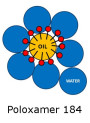
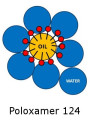
Your current formula relies on water-soluble ingredients like Poloxamer 184 and Poloxamer 124, along with humectants (Butylene Glycol, Glycerin) and alcohol. While these are effective for removing water-based or light makeup, waterproof makeup typically contains silicones, oils, and waxes that are not easily dissolved by water-based systems alone.
The commercial product you tested contains ingredients like Cyclopentasiloxane, Isohexadecane, and Isopropyl Palmitate. These are oil-based or silicone-based emollients and solvents that are highly effective at dissolving the components found in waterproof makeup.
To improve the performance of your cleansing water on waterproof makeup, you would typically need to incorporate an oil or silicone phase into your formula. A common approach is a bi-phase remover, which consists of a water phase and an oil/silicone phase that are shaken together before use.
Suggested Approach:
Consider creating a bi-phase formula by adding an oil or silicone component that is effective at dissolving waterproof makeup. Ingredients like:
- Cyclopentasiloxane: A lightweight silicone that effectively dissolves silicones and other oil-based makeup components.
- Isohexadecane: A light hydrocarbon emollient that helps dissolve oils and waxes.
- Isopropyl Palmitate: An emollient ester that can help dissolve various makeup ingredients.
You could experiment with adding one or a combination of these ingredients to create an oil or silicone phase that is separate from your water phase. The ratio of the water phase to the oil/silicone phase can be adjusted to achieve the desired makeup removal performance.
For example, a simple bi-phase system could involve combining your existing water phase (with adjustments as needed) with an oil/silicone phase containing one or more of the suggested ingredients. The Poloxamers in your current formula can act as surfactants to help emulsify the makeup and the oil/silicone phase when shaken.
Remember to include a preservative suitable for a bi-phase system, such as Polyaminopropyl Biguanide (Eye Preserved™), which you are already using.
Adjusting the percentages of your current ingredients might also be necessary when adding a new phase. For instance, you might reduce the water percentage to accommodate the oil/silicone phase.
Related Products Mentioned
Glycerin (USP/Food Grade)
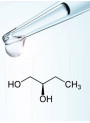
Butylene Glycol

Isohexadecane
Poloxamer 184
Poloxamer 124