Improving Spreadability and Reducing Pilling in Silk Sunscreen Formulation
Asked by: sleeping_forest_7
On: March 23, 2026
Product Type:
Cosmetics
Answered
Question
Hello,
I am currently facing issues with my sunscreen formulation being difficult to spread. The more I increase the thickness and powdery properties I like, the harder it becomes to apply, even though the final skin feel is good. During application, it is hard to spread, prone to staining, and pills easily because of the friction required during application.
Initial Formulation Trials:
- Reduced
Cyclopentasiloxanefrom 15% -> 10% - Increased
Silicone Gel Ultra Low Viscosity (Super Powderly)from 10% -> 15% (Result: Not thick enough and slightly difficult to spread) - Added
Silicone Elastomer0.5% -> (Result: Too thick, sticky, and hard to spread) - Current Base:
Cyclopentasiloxane15%,Silicone Gel Ultra Low Viscosity (Super Powderly)10%,Silicone Elastomer1% (Achieved desired thickness, slightly easier to spread but still difficult)
Powder Adjustments:
- Added
Whitematte 3+Powdercreamfor more whitening and a powdery feel, totaling 14% of the formula. - Tried reducing powders to 10% and 12% (Result: No noticeable difference in ease of spreading).
- Tried increasing
Cyclopentasiloxane(Result: Thinner texture, but became more viscous and harder to spread once applied to the face). - Tried increasing
Silicone Elastomer(Result: Spreading became even more difficult).
Current Formula:
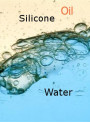
Cyclopentasiloxane: 15%Silicone Gel Ultra Low Viscosity (Super Powderly): 10.00%SPF Protect Ultra™ III: 20.00%Zinc Oxide 35nm Liquid: 10.00%SiliSolve Plus™: 2.50%Fragrance oil: 0.5%Silicone Elastomer: 1% (Unsure if this belongs in the silicone or powder phase)MatteSilica 5S™: 2% (Tried 3%, no difference)BB Micro Silk™: 2% (Tried 3%, no difference)Polymethylsilsesquioxane 4.5microns: 2.00%Whitematte 3 (Boron nitride): 2% (Tried 1%, too little)Powdercream: 1% (Tried 2%, too much/white cast)White Oxides EasyMix™: 2.00%Red Iron Oxides EasyMix™: 0.01%Water: q.s. 100%Magnesium Sulfate: 1.00%Madecassoside 90% (Centella): 0.10%Phenoxyethanol: 1.00%
Questions:
- How can I increase spreadability to make it easier to apply?
- Is using
Silicone Elastomerappropriate for thickening, or are there better alternatives? (I like the thickness and finish, but it makes spreading difficult). - Is it possible the chosen silicones evaporate too quickly, causing the spreading issues?
- Does this formula require
Silicone Blender? - Should I switch to an anhydrous formula? Would using
Silicone Gel (Ultra Clear, Super Silky)be more suitable? - If I stick to the
Si/Waterformula but useSilk Serum Baseinstead ofSilicone Gel, would it fix the viscosity and spreading issues? - Between
Si/WaterandAnhydrous, which is more suitable for a "Silk Sunscreen"?
Thank you.
Answer
The issues of difficult spreading, staining, and pilling (forming flakes) in your "Silk Sunscreen" formula are primarily caused by an imbalance between high powder content, fast-evaporating silicones, and a lack of non-volatile slip agents.
Analysis of Your Current Formula
- High Powder Load: Your formula contains approximately 14-21% powdery components (including the "Super Powderly" gel and various powders). When the volatile
Cyclopentasiloxaneevaporates, there isn't enough liquid left to lubricate these powders, causing them to clump and pill. - Rapid Evaporation:
Cyclopentasiloxaneis highly volatile. If it evaporates before you finish spreading the product, the formula "sets" too quickly, leading to drag and uneven application. - Silicone Elastomer: While it provides a nice matte finish and thickness, it increases "drag" (friction). Without enough slip agents, it makes the formula harder to spread.
Recommendations for Improvement
1. Increase Spreadability and "Slip"
- Switch Silicone Gel: Replace or blend your current gel with Silicone Gel (Ultra Clear, Super Silky). This version provides significantly more "slip" and a smoother glide compared to the "Super Powderly" version, which is inherently drier.
- Add Non-Volatile Silicone: Incorporate a low-viscosity, non-volatile silicone (such as a standard Dimethicone 100cs) at 3-5%. This will remain on the skin after the
Cyclopentasiloxanehas evaporated, providing the necessary lubrication to keep the powders spreading smoothly.
2. Silicone Blender and Stability
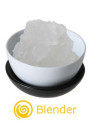
- Silicone Blender: In a Silicone-in-Water (Si/W) formula like yours, Silicone Blender can help stabilize the silicone phase and improve the integration of different silicones, making the texture more uniform. If you switch to an Anhydrous (waterless) formula, this ingredient becomes essential for creating a stable, high-quality gel.
3. Formula Type: Si/Water vs. Anhydrous
- Anhydrous (Waterless): This is the traditional "Silk Sunscreen" format. It provides the most intense "powdery-silky" feel and is very stable. However, it is heavier and you cannot include water-soluble actives like
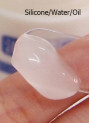
Madecassoside. - Si/Water (Current): Provides a fresher feel. To solve the current issues, instead of mixing from scratch, you might consider using Silky Serum Base Plus. It is a pre-made base designed to coordinate water, oils, and silicones easily, providing a professional "silk" feel with much better spreadability.
Answers to Your Specific Questions
- Is the silicone evaporating too fast? Yes, the high ratio of
Cyclopentasiloxanecombined with high powder content is a major cause of the pilling. - Should I use Silky Serum Base? Yes, Silky Serum Base Plus would be an excellent choice to replace your current Si/W structure. It handles high powder loads better and provides a smoother application than manual mixing of elastomers and gels.
- Silicone Elastomer choice: It is suitable for thickening, but it must be balanced with non-volatile silicones to prevent the "drag" you are experiencing.
Suggested Adjustment Strategy
- Replace Silicone Gel Ultra Low Viscosity (Super Powderly) with Silicone Gel (Ultra Clear, Super Silky).
- Add 3-5% of a non-volatile Dimethicone to provide lasting slip.
- If you prefer the Si/W feel, try transitioning the base to Silky Serum Base Plus for better stability and application.
Related Products Mentioned
Dimethicone (Medium/350, Low-Odor)
Cosmetics
Silicone Gel (Ultra Clear, Super Silky)
Cosmetics
BB Micro Silk™
Cosmetics
Silky Serum Base (Face/Eye)
Cosmetics
Dimethicone (Light/50, Low-Odor)
Cosmetics
PowderCream™ (Water Absorbing PMMA)
Cosmetics
SiliSolve Plus™
Cosmetics
Silky Serum Base Plus (Face/Eye, Oil)
Cosmetics
Zinc Oxide 35nm Liquid
Cosmetics
Silicone Blender
Cosmetics
WhiteMatte3™ (Boron Nitride 3micron)
Cosmetics
KF-995 (Cylopentasiloxane, D5)
Cosmetics

SPF Protect Ultra™ III (UVA+UVB)
Cosmetics