Ingredient Breakdown and Substitutions
Asked by: barbiebeemiess
On: January 11, 2018
Product Type:
Cosmetics
Answered
Question
Could you please provide information on the function and potential substitutes for the following ingredients?
- Aloe Barbadensis Leaf Juice
- Polysorbate 80
- Sorbitol
- PEG-150 Distearate
- Polysorbate 20
- Benzyl Alcohol
- Phenoxyethanol
- Lavandula Angustifolia (Lavender) Oil
- Panthenol
- Disodium EDTA
- Citric Acid
- Sodium Citrate
- Camellia Sinensis Leaf Extract
- Dehydroacetic Acid
- Ormenis Multicaulis Oil
- Vitis Vinifera (Grape) Seed Extract
- Carum Petroselinum (Parsley) Seed Oil
- Linalool
- Limonene
- Geraniol
Answer
Ingredient Breakdown and Substitutions
Here is a breakdown of the ingredients you listed and information on available substitutes, based on the staff's helpful reply:
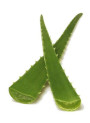
- Aloe Barbadensis Leaf Juice (Aloe Vera Extract): This ingredient is used for skin conditioning, reducing irritation (especially sunburn), and moisturizing. Our Aloe Vera Extract (FullAssay™) is available and is a liquid soluble in water, used at 1-10%.
- Polysorbate 80 (Tween 80): This is a solubilizer soluble in oil and water. Polysorbate 80 (Tween 80) and a super-refined version, HiPure™ PS80, are available, typically used at 1-20%.
- Sorbitol: A sugar alcohol used as a moisturizer. The staff suggests using other sugars like Mannitol or Erythritol. Mannitol is a white powder soluble in water, used at 1-5%, known for reducing irritation and antioxidant properties. Erythritol is also a white powder soluble in water, used at 1-5% for moisturizing. Sorbitol Solution 70% is also available.
- PEG-150 Distearate: This acts as a thickener, particularly for formulas containing detergents. The staff recommends using other thickeners like Glyceryl Stearate SE. Glyceryl Stearate SE is a self-emulsifying thickener that requires heat to dissolve and can be used at 1-10% in lotions or creams. PEG-150 Distearate (Pellets) is also available.
- Polysorbate 20 (Tween 20): This is a solubilizer soluble in water and Glycerin. Polysorbate 20 (Tween 20) and a super-refined version, HiPure™ PS20, are available, typically used at 1-20%.
- Benzyl Alcohol: Information on this specific product is not available in the descriptions.
- Phenoxyethanol: This is a preservative. It is mentioned as a preservative in the description of Aloe Vera Extract. The staff suggests other preservatives can be used as a substitute for Dehydroacetic Acid.
- Lavandula Angustifolia (Lavender) Oil: Information on this specific product is not available in the descriptions.
- Panthenol: Information on this specific product is not available in the descriptions.
- Disodium EDTA: Information on this specific product is not available in the descriptions.
- Citric Acid: Information on this specific product is not available in the descriptions.
- Sodium Citrate: Information on this specific product is not available in the descriptions.
- Camellia Sinensis Leaf Extract: This is Green Tea Extract. It is known for its antioxidant properties.
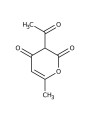
- Dehydroacetic Acid: This is a preservative effective against yeast and molds. Dehydroacetic Acid (99% Powder) is available, soluble in ethanol. The staff suggests other preservatives can be used.
- Ormenis Multicaulis Oil (Morocco Chamomile Oil): The staff identifies this as a type of Chamomile Oil and suggests Roman Chamomile Oil or German Chamomile Oil as alternatives. While these are suggested, detailed descriptions for these specific Chamomile Oils are not available.
- Vitis Vinifera (Grape) Seed Extract: This is Grape Seed Extract, a potent antioxidant. Grape Seed Extract (Proanthocyanidins) is available as a dark brown liquid soluble in water, used at 0.5-5%.
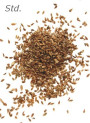
- Carum Petroselinum (Parsley) Seed Oil: The staff indicates this product is not available and recommends using other essential oils. Based on search results, Carrot Seed Oil is an example of another available essential oil.
- Linalool, Limonene, Geraniol: These are aroma chemicals often found in essential oils. Linalool (FEMA-2635), Dipentene, DL-Limonene, and Geraniol (98%) (FEMA-2507) are available, along with related compounds like Ethyl Linalool, Dihydrolinalool, Geranium Cyclohexane, and Geranyl Nitrile. Detailed descriptions for these specific aroma chemicals are not available.
Related Products Mentioned
Polysorbate 20 (Tween 20)
Cosmetics
Polysorbate 80 (Tween 80)
Cosmetics
Sorbitol Solution 70%
Cosmetics
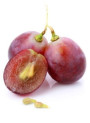
Grape Seed Extract (Proanthocyanidins)
Cosmetics
Mannitol
Cosmetics
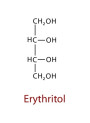
Erythritol (Crystal 20-30 Mesh)
Cosmetics
Dipentene, DL-Limonene
RM Fragrance/Flavor
Linalool (FEMA-2635)
RM Fragrance/Flavor
Geraniol (98%) (FEMA-2507)
RM Fragrance/Flavor
Carrot Seed Oil
Fragrance/Flavor