Ingredient Compatibility and Properties in Cosmetic Formulation
Question
I have questions regarding the compatibility and properties of several ingredients for a cosmetic formulation:
Are Sea Kelp Extract and Fucus Film™ (fucus vesiculosus extract) the same ingredient, with the first being more concentrated?
I am planning to use the following ingredients in a formula:
- Sea Kelp Extract
- Seamollient
- Alaria Esculenta Extract
- Algae Oil (Laminaria Digitata Extract)
- Palmaria Palmata Extract
- Marine Plankton (Lifting, Tightening)
- Plankton Artemia Extract
- Bio-Mineral™ (Fermented Si+Mg+Cu+Fe+Zn)
- Fucus Film™
- Satin Cream Maker
- Phenoxyethanol
- EDTA
- Water up to 100%
Are there any ingredients in this list that should not be used together? When these ingredients are mixed, there is a strange smell similar to soy sauce. Is this smell coming from Sea Kelp Extract?
Can I add other extracts and peptides to the formula from question 2, such as Safe-B3™ (Vitamin B3), Panthenol (Pro Vitamin B5), Wrinkle-Fill™ (Acetyl-Tyrosine), Wrinkle-Lax™ (Steviol glycosides), Pep®-Coll (Palmitoyl Tripeptide-5), Acetyl Hexapeptide-8 (eq. Argireline), Pal-GHK, Pal-GQPR (eq. Matrixyl 3000)? If so, are these ingredients compatible with each other and with the base formula?
Answer
Ingredient Information and Compatibility
Sea Kelp Extract vs. Fucus Film™
Sea Kelp Extract and Fucus Film™ are both derived from Fucus vesiculosus, also known as Bladderwrack, which is a type of brown seaweed. While they come from the same source, Sea Kelp Extract is described as a high-concentration extract with a guaranteed minimum of 21% Fucoidan, whereas Fucus Film™ highlights its film-forming property. Based on the descriptions, Sea Kelp Extract appears to be a more concentrated form focusing on the active compound Fucoidan, while Fucus Film™ emphasizes its film-forming property. So, they are related extracts from the same seaweed but may differ in concentration and specific properties emphasized.
Compatibility of Ingredients in List 2 and Potential Odor
The ingredients listed in your second question are generally compatible for use in a cosmetic formulation, especially when using an emulsifier like Satin Cream Maker to combine the water and oil-soluble components.
- Water-soluble ingredients: Sea Kelp Extract, Seamollient, Palmaria Palmata Extract, Marine Plankton, Plankton Artemia Extract, Bio-Mineral™, Fucus Film™, Phenoxyethanol, and EDTA are water-soluble.
- Oil-soluble ingredients: Alaria Esculenta Extract and Algae Oil are oil-soluble.
- Emulsifier: Satin Cream Maker is a suitable emulsifier to combine the water and oil phases. It is important to mix it into the water phase first, then add the oil phase, and mix at low speed (below 2500 rpm) to avoid damaging the polymer.
- Temperature Sensitivity: Many of the extracts (Sea Kelp, Seamollient, Palmaria Palmata, Marine Plankton, Plankton Artemia, Fucus Film, Algae Oil, Bio-Mineral) are sensitive to heat and should be added at temperatures below 40-60°C. Phenoxyethanol can withstand higher temperatures, but the overall mixing should be done at low heat.
- pH Range: Most ingredients are stable and effective within a pH range of approximately 3.5 to 7.0. Satin Cream Maker, Phenoxyethanol, and EDTA also work within or around this range. The final formulation's pH should be adjusted to be within this optimal range.
- Incompatibilities: Seamollient is incompatible with cationic ingredients. Ensure no other ingredients added are cationic.
Regarding the "soy sauce" smell, it is likely coming from the marine extracts in the formulation. The description for Sea Kelp Extract specifically mentions that using it at a high rate can cause a "fishy smell from seawater." Other marine-derived ingredients like Seamollient, Palmaria Palmata Extract, Algae Oil, Marine Plankton, and Plankton Artemia Extract could also contribute to a marine or seaweed-like odor, which might be perceived as similar to soy sauce.
Adding Additional Ingredients and Their Compatibility
You can generally add the additional extracts and peptides you listed to the formulation from question 2. These ingredients are primarily aimed at anti-aging and skin improvement and are often used together in formulations.
The additional ingredients are:
- Safe-B3™ (Vitamin B3, Niacinamide)
- Panthenol (Vitamin B5)
- Wrinkle-Fill™ (Acetyl-Tyrosine)
- Wrinkle-Lax™ (Steviol glycosides)
- Pep®-Coll (Palmitoyl Tripeptide-5)
- Acetyl Hexapeptide-8 (Argireline)
- Pal-GHK, Pal-GQPR (Matrixyl 3000)
Compatibility considerations:
- Solubility and Mixing: Most of these additional ingredients (B3, B5, Wrinkle Fill, Wrinkle Lax, Pep®-Coll, Acetyl Hexapeptide-8, Matrixyl 3000) are water-soluble and should be added to the water phase. Peptides (Pep®-Coll, Acetyl Hexapeptide-8, Matrixyl 3000) and some extracts (like Plankton Artemia) should be added in the final step at temperatures below 40°C to maintain their efficacy.
- pH: Vitamin B3 (pH 3-8, best 4-7) and Vitamin B5 (pH 3.5-7.0) are compatible with the general pH range of the base formulation. Wrinkle-Fill™ (Acetyl-Tyrosine) is acidic (pH 2-3 at 2.5% concentration), which might lower the overall pH of the formula. You will need to check and adjust the final pH to ensure it is within the optimal range (4-6.5) for the peptides and other sensitive extracts to remain stable and effective.
- Peptide Compatibility: Pep®-Coll, Acetyl Hexapeptide-8 (Argireline), and Matrixyl 3000 are peptides commonly used together in anti-wrinkle formulations and are generally compatible with each other. Argireline is often combined with Pep®-Coll or Matrixyl 3000 for synergistic effects.
- General Compatibility: These additional ingredients are generally compatible with the ingredients in your base list, provided the pH and temperature guidelines are followed.
In summary, you can combine these ingredients, but pay close attention to the mixing temperature (keep it below 40°C when adding heat-sensitive ingredients) and the final pH of the formulation (aim for 4-6.5) to ensure stability and efficacy. The acidic nature of Wrinkle-Fill™ might require pH adjustment.
Related Products Mentioned
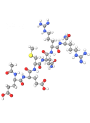
Acetyl Hexapeptide-8 (eq Argireline)
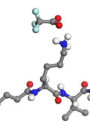
Pep®-Coll (Palmitoyl tripeptide-5)
Pal-GHK, Pal-GQPR (eq Matrixyl 3000)
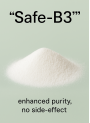
Safe-B3™ (Vitamin B3, Niacinamide)

Sea Kelp Extract
Phenoxyethanol (Extra Pure)
Disodium EDTA

Satin Cream Maker™
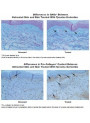
Wrinkle-Fill™ (Acetyl-Tyrosine)

Wrinkle-Lax™ คลายริ้วรอย

Plankton Artemia Extract

Marine Plankton (Lifting, Tightening)
Seamollient

Alaria Esculenta Extract

Fucus Film™ (fucus vesiculosus extract)

Palmaria Palmata Extract