Ingredient Compatibility for Skin Brightening and Exfoliation Formulation
Question
Which of the following ingredients should not be mixed together in a cosmetic formulation? (Please also correct the link for Linked Papain)
1. Linked Papain
2. Alpha Arbutin
3. Tranexamic Acid
4. B3
5. Gluco Bright
6. Sym White
7. Activated Resorcinol
8. Ethyl Ascorbic acid
9. MSH White
10. 4MSK
11. CosmoWhite
12. FruitPeel
Answer
Here is a guide on which of the listed ingredients should not be mixed together in cosmetic formulations, based on their properties and compatibility information:
Ingredient Compatibility Guide
When formulating cosmetics, it's important to consider the compatibility of each ingredient to ensure stability, efficacy, and safety. Based on the properties of the ingredients you listed, here are the combinations that should be avoided or used with caution:
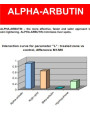
- Activated Resorcinol and Alpha Arbutin: These two ingredients work through similar mechanisms to inhibit pigmentation. It is generally not recommended to combine them, and Activated Resorcinol is noted as being more efficient.
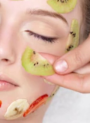
- Activated Resorcinol and FruitPeel (Fruit Acids): Activated Resorcinol has an optimal pH range of 4.5-5.5 and is sensitive to acidity. FruitPeel, containing fruit acids, is acidic (pH 3.5-7.0). Mixing them may affect the stability and quality of Activated Resorcinol.
- Ethyl Ascorbic Acid and Vitamin B3 (Niacinamide): The product description for Ethyl Ascorbic Acid explicitly states that Vitamin B3 should not be included in the formula.
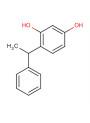
- Phenylethyl Resorcinol and Linked Papain: Phenylethyl Resorcinol should not be mixed with ingredients from the Amino Acids, Urea, or any protein group as it may cause yellowing or separation. Linked Papain is an enzyme, which is a protein, making this combination potentially incompatible.
- Phenylethyl Resorcinol also has compatibility issues with certain thickeners (Carbomer, Carbopol, PEG-400) and some perfumes. It also requires specific mixing instructions involving an oil phase and controlled heat.
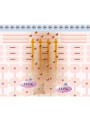
- 4MSK is an electrolyte and may affect the texture of gel or cream formulations, potentially causing them to become less viscous.
- Heat Sensitivity: Be mindful of mixing temperatures. Linked Papain and FruitPeel should avoid heat above 40°C. Activated Resorcinol should avoid heat during mixing. 4MSK should avoid heat above 60°C. Alpha Arbutin should be added during the final mixing phase below 30°C. Ethyl Ascorbic Acid is sensitive to temperatures above 15°C for long-term storage.
- pH Sensitivity: The final pH of your formulation is crucial. Ensure the pH is within the recommended range for each ingredient you are using. Alpha Arbutin degrades at pH above 8. Activated Resorcinol and Phenylethyl Resorcinol have specific optimal pH ranges (4.5-5.5 and 4-5, respectively). Ethyl Ascorbic Acid requires a pH between 3.5-6.0.
Always check the specific product descriptions and recommended mixing instructions for each ingredient you plan to use to ensure compatibility and achieve the best results.
Related Products Mentioned
Alpha Arbutin (Switzerland)
Safe-B3™ (Vitamin B3, Niacinamide)
GlucoBright™ (Acetyl Glucosamine)
MSH White™ (Undecylenoyl phenylalanine)
Tranexamic Acid (Trans-White™)
4MSK (Potassium Methoxysalicylate)
FruitPeel™ exfoliates cells with fruit
CosmoWhite™ (1-Methylhydantoin-2-Imide)
