Ingredient Identification and Substitution Request
Asked by: ruthan_jum
On: March 22, 2019
Product Type:
Cosmetics
Answered
Question
The names of the raw materials received do not match. Could you please help review them?
- PEG-10 Dimethicone (and) Cetyl PEG/PPG-10/1 Dimethicone copolyol Disteardimonium Hectorite (and) Polyglyceryl 6-10 Polyricinoleate (and) Cyclopentasiloxane
- silok 9905
- silok 2115
Which ingredients can be used as substitutes?
Answer
Ingredient Substitutions
Regarding the ingredients you listed and the "silok" products, it appears the names you have might be trade names or slightly different variations. Here are some potential alternatives based on common cosmetic ingredients with similar functions:
- For PEG-10 Dimethicone and Cetyl PEG/PPG-10/1 Dimethicone copolyol: These are typically used as water-in-oil or water-in-silicone emulsifiers. You could consider using PEG/PPG-18/18 Dimethicone or PEG/PPG-20/15 Dimethicone as alternatives. These are also silicone-based emulsifiers with similar properties.
- For Disteardimonium Hectorite: This is a common rheology modifier and thickener, especially in oil and silicone systems. Disteardimonium Hectorite is available and would be a direct substitute. Various Hectorite Gel products, which are pre-dispersed forms of Hectorite in different oil bases, could also be used depending on your formulation's oil phase.
- For Polyglyceryl 6-10 Polyricinoleate: This is a water-in-oil emulsifier. Polyglyceryl-6 Polyricinoleate or Polyglyceryl-10 Polyricinoleate are very similar in structure and function and would be suitable alternatives. Polyglyceryl-3 Polyricinoleate is also a water-in-oil emulsifier that could potentially be used.
- For Cyclopentasiloxane: This is a volatile silicone often used for its light feel and spreading properties. Cyclopentasiloxane is available under different names, such as KF-995 (Cylopentasiloxane, D5). If you are looking for texture modification and a matte finish, Silicone Gel 9040 or Silicone Gel 5045, which are silicone elastomers in Cyclopentasiloxane, could be considered, but they will provide a different texture than pure Cyclopentasiloxane.
- For silok 9905 and silok 2115: These names do not correspond to standard INCI names or common product names in our database. Without knowing their specific chemical composition or function, it is difficult to recommend direct substitutes. If these are additives used for purposes like anti-settling or dispersion, products like BYK 410 (Anti-Settling Additive) might offer a similar functional benefit, but they are not chemically equivalent. You would need to determine the specific role of "silok 9905" and "silok 2115" in your formulation to find the most appropriate alternative.
It's important to note that even chemically similar ingredients can perform differently depending on the supplier and specific product grade. Always test potential substitutes in your formulation to ensure they provide the desired performance and stability.
Related Products Mentioned
Disteardimonium Hectorite
Cosmetics
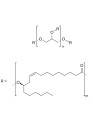
Polyglyceryl-3 Polyricinoleate (PGPR)
Cosmetics
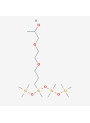

BYK 410 (Anti-Settling Additive)
General
Polyglyceryl-10 Polyricinoleate
Cosmetics
Polyglyceryl-6 Polyricinoleate
Cosmetics
KF-995 (Cylopentasiloxane, D5)
Cosmetics
PEG/PPG-20/15 Dimethicone
Cosmetics